Barcelona's Robot Companions Combat Isolation in Ageing Population
In an innovative response to Spain's demographic challenges, the city of Barcelona has deployed six hundred companion robots to private residences and care centres. This pioneering pilot project, backed by a substantial €3.8 million grant from the European Union's COVID recovery funds, aims to provide support and companionship to elderly residents experiencing loneliness and cognitive decline.
A Personal Connection with Technology
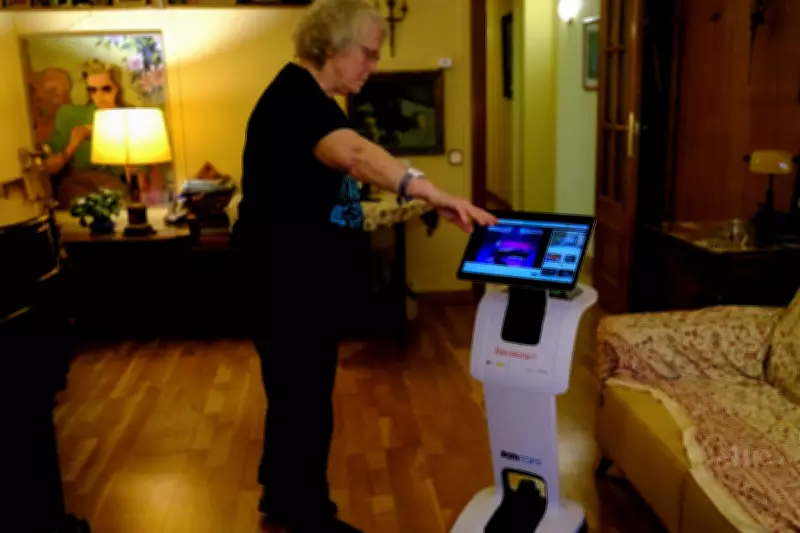
One beneficiary, 67-year-old Barcelona resident Irene Veglison, has rediscovered her passion for dance since a 1.35-metre-tall robot named Sandi moved into her home three months ago. "It's not just a trinket: there are lots of people behind it who are looking out for you, checking whether you've fallen down, whether you're okay," Veglison explained, highlighting the human support network integrated with the technology.
The robot performs multiple daily functions for Veglison, including reminding her to take medication at 9 a.m., announcing doctor appointments, providing morning wake-up calls, and bidding goodnight. In emergencies, the device enables direct communication with social workers through a remotely activatable camera for situation assessment.

Addressing a National Care Crisis
Barcelona councillor Marta Villanueva Cendán outlined the project's ambitious scope: "We're developing this pilot project to improve tele-assistance." She revealed future aspirations for the robots to detect risks like falls and alert professionals automatically.
This initiative confronts Spain's pressing demographic reality: nearly two million people over 65 live alone nationally, with three-quarters being women. Studies project the country must double its long-term care workforce by 2030, yet the sector faces recruitment challenges with salaries approximately €10,000 below the national average and over half of current staff aged above 45.
Technological Features and Manufacturing
The robots, manufactured by US-based Misty Robotics and distributed in Europe by Catalan company Grup Saltó, feature built-in screens offering entertainment applications, calendars, maps, and selectable cartoon-like facial expressions including "surprised," "loving," or "asleep" modes during standby.
Veglison demonstrated the interactive capabilities by scrolling through YouTube on Sandi's screen, selecting a French chanson and swaying together as the screen mirrored her movements. This combination of practical assistance and emotional engagement represents a significant advancement in elderly care technology, potentially transforming how societies support ageing populations facing isolation and cognitive challenges.