Scientists have discovered tiny grains of iron oxide, or rust, in lunar soil samples brought back by China's Chang'e-6 mission, challenging long-held assumptions about the Moon's surface. The finding, published in the journal Science Advances, provides the first conclusive evidence of the iron oxide mineral hematite on the Moon.
Until now, the Moon was thought to have an environment that did not favour oxidation, with iron existing mostly in reduced forms. Previous missions, including Nasa's Apollo programme, had hinted at the presence of hematite in high-latitude regions, but these were considered unstable on the lunar surface.
The Chang'e-6 samples, returned to Earth in June 2024, contain hematite grains found mainly in breccias—rocks fused by the intense heat and pressure of meteorite impacts. Researchers theorise that during large-scale impacts, oxygen-rich minerals such as troilite released oxygen, which reacted with iron to form rust.

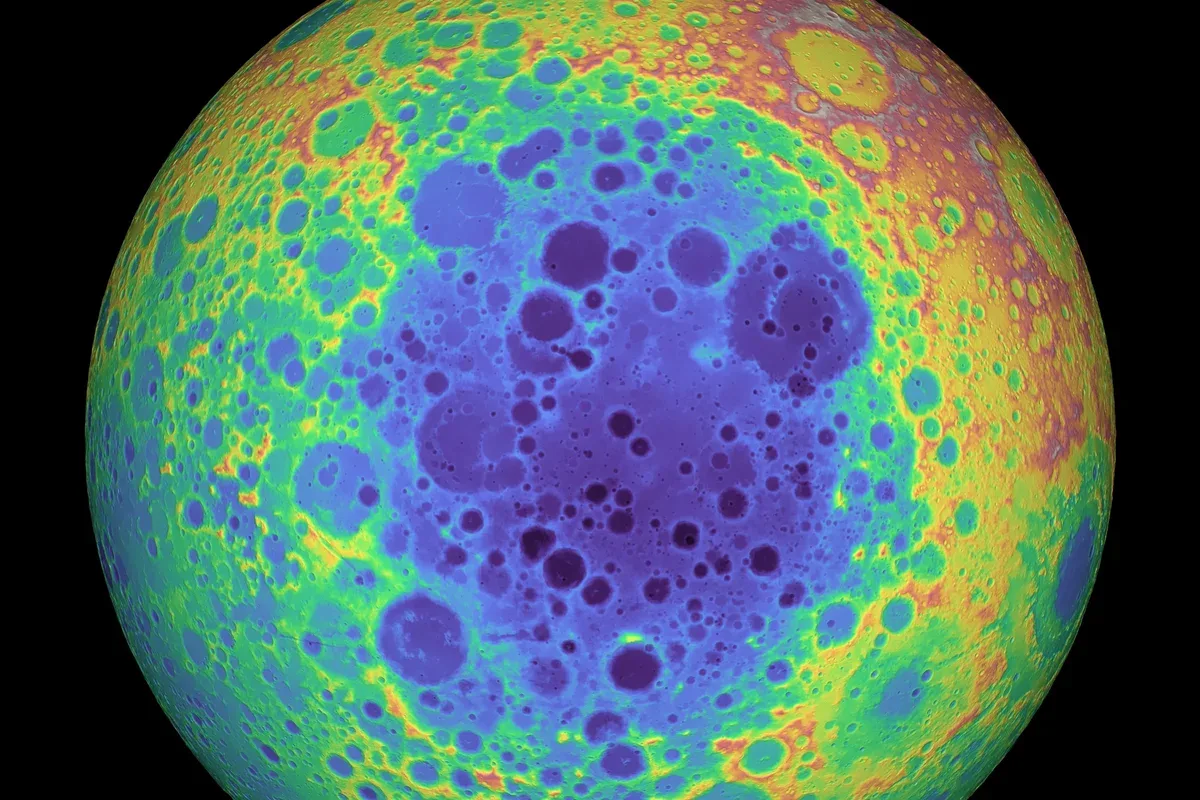
This discovery could help explain magnetic anomalies on the Moon, particularly in the northwestern South Pole-Aitken Basin. The study's authors state that the finding 'provides credible evidence for the presence of Fe2O3 on the lunar surface, challenging the traditional understanding of the lunar surface.'