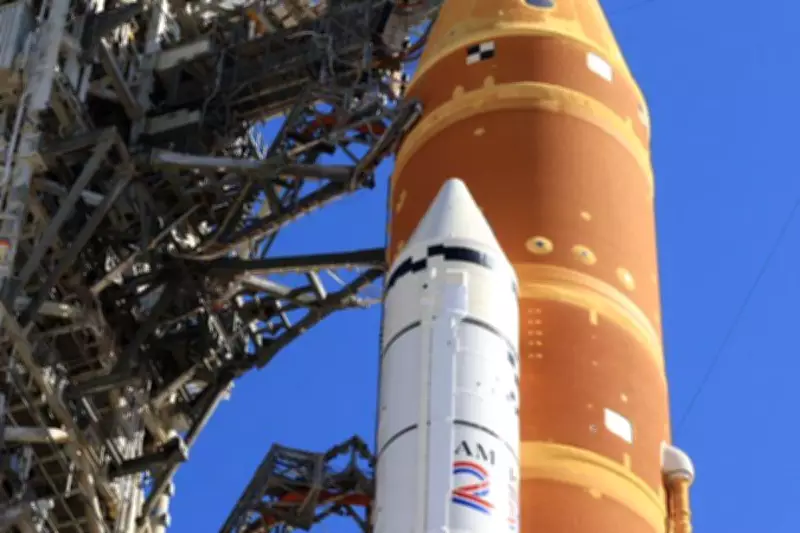
NASA Targets March for First Moon Mission by Artemis Astronauts After Fueling Test Success
NASA aims to send astronauts to the moon in March after acing the latest rocket fueling test. Administrator Jared Isaacman announced on Friday that launch teams achieved "major progress" between the first countdown rehearsal, which was disrupted by hydrogen leaks earlier this month, and the second test, completed without significant seepage on Thursday night.
Key Milestones and Launch Timeline
The test was described as "a big step toward America's return to the lunar environment" by Isaacman in a post on the social media platform X. NASA could launch four astronauts on the Artemis II lunar fly-around as soon as March 6 from Florida's Kennedy Space Center. To maintain flexibility, the three Americans and one Canadian crew member plan to enter the mandatory two-week health quarantine starting Friday night.
The space agency has only five days in March to launch the crew aboard the Space Launch System rocket before standing down until April. February's launch opportunities were lost after dangerous amounts of liquid hydrogen leaked during the initial fueling demonstration. Technicians replaced two seals, leading to Thursday's successful rerun, with countdown clocks reaching the desired 29-second mark.

Ongoing Preparations and Historical Context
While the fixes proved effective, pending work includes conducting a flight readiness review, according to NASA's Lori Glaze. Commander Reid Wiseman and two of his crew monitored Thursday's operation alongside launch controllers. The astronauts will be the first to fly to the moon since Apollo 17 concluded NASA's first chapter in moon exploration in 1972, marking a historic moment in space exploration.
This mission represents a significant advancement in lunar exploration, building on past achievements while paving the way for future endeavors. The successful fueling test underscores NASA's commitment to safety and precision as it prepares for this groundbreaking journey.