NASA Announces Major Artemis Programme Overhaul
In a significant strategic shift, NASA has confirmed a major shakeup of its Artemis moon exploration programme, adding an extra mission before attempting a high-risk crewed lunar landing. This decision follows growing concerns over technical readiness and ambitious timelines, with the agency now targeting a moon landing by astronauts in 2028, potentially even two landings that year.
Safety Concerns Prompt Mission Revisions
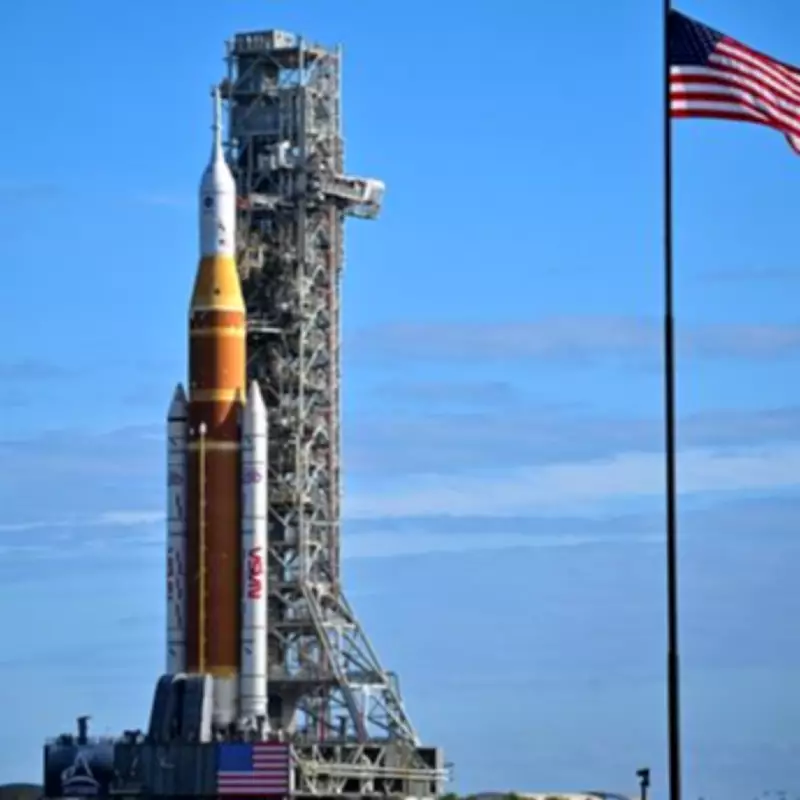
The overhaul comes just two days after NASA's new moon rocket returned to its hangar for additional repairs, and a safety panel warned the space agency to scale back its overly ambitious goals for humanity's first lunar landing in over half a century. The Aerospace Safety Advisory Panel urgently recommended that NASA revise its objectives for Artemis III, citing demanding mission goals that require immediate attention to ensure astronaut safety.
NASA's new administrator, Jared Isaacman, announced that Artemis III, which had been targeting a landing near the moon's south pole by a pair of astronauts, will instead focus on launching a lunar lander into orbit around Earth for practice in 2027. This move addresses concerns over the readiness of lunar landers and moonwalking suits, as well as the problematic long gaps between flights that have plagued the programme.

Flight Delays and Programme Adjustments
Artemis II, a lunar fly-around mission involving four astronauts, has been delayed until at least April due to ongoing rocket problems. Isaacman emphasised that a three-year gap between flights is unacceptable, expressing a desire to reduce this to one year or even less. He referenced NASA's storied Apollo programme, noting that astronauts' first flight to the moon was followed by two more missions before the historic landing by Neil Armstrong and Buzz Aldrin.
The new plan aims to create a more sustainable and safer approach to lunar exploration. During their time on the moon, astronauts will conduct scientific work inside the Starship lander and perform a series of moonwalks, exiting to explore the surface. They will wear advanced spacesuits provided by Axiom Space, designed to offer increased range of motion and flexibility, allowing for more extensive landscape exploration than on previous lunar missions.
Detailed Surface Operations and Scientific Objectives
According to a NASA statement on Artemis III, after touchdown on the moon, the surface crew's first task will be to ensure all systems are ready for their lunar stay. They will then rest, eat, and recharge for the first full day of the expedition. During moonwalks, astronauts will take pictures and video, survey geology, retrieve samples, and collect other data to meet specific scientific objectives, exiting through an airlock and descending on Starship's elevator.
This strategic pivot underscores NASA's commitment to prioritising safety and technical preparedness over aggressive timelines, ensuring a successful return to the moon after decades of absence. The agency continues to work towards its goal of establishing a sustainable human presence on the lunar surface, with these adjustments reflecting lessons learned from past missions and current technological assessments.