NASA Declares Starliner Mission Among Worst Failures in Agency History
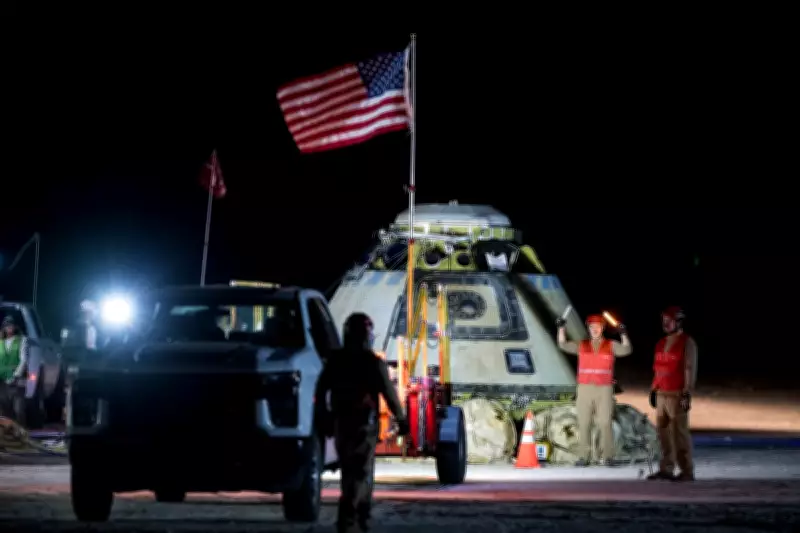
NASA has officially stated that the mission which left astronauts Barry Wilmore and Sunny Williams stranded in space for nine months ranks as one of the agency's most severe failures. This conclusion comes from a comprehensive 300-page report released by the space agency, detailing the mishaps during Boeing's Starliner spacecraft's first crewed test flight in 2024.
Technical and Organizational Breakdowns Unveiled
The report highlights a series of critical issues that plagued the mission from its outset. Shortly after launch in June 2024, five of Starliner's maneuvering thrusters failed as the spacecraft approached the International Space Station for docking, forcing the crew to intervene manually. This was just one of four primary technical flaws that emerged, sparking months of intense debate and ground tests while Wilmore and Williams remained aboard the ISS.
NASA Administrator Jared Isaacman criticized both Boeing and agency leadership during a news conference, emphasizing that the failures extended beyond hardware. In a letter to NASA employees, he wrote, "Starliner has design and engineering deficiencies that must be corrected, but the most troubling failure revealed by this investigation is not hardware. It is decision making and leadership that, if left unchecked, could create a culture incompatible with human spaceflight." This sentiment echoes findings in the report's section on cultural and organizational problems.

Unprofessional Conduct and Partnership Struggles
On Earth, tensions between NASA and Boeing officials escalated into what the report describes as "unprofessional behavior" and yelling matches during meetings. These conflicts hindered effective crisis management and technical discussions. One official recounted, "There was yelling in meetings. It was emotionally charged and unproductive," while another called it "the ugliest environment that I’ve been in." The lack of clear conflict resolution mechanisms led to frayed relationships and emotional strain.
The report also points to a "fragile partnership dynamic" between NASA and Boeing, where agency officials were reluctant to challenge Boeing's interpretations due to fears that the company might withdraw from NASA's Commercial Crew Program. This hesitation contributed to risk acceptance and compromised decision-making on critical mission issues.
Aftermath and Astronaut Impact
Wilmore and Williams, both veteran test pilots and astronauts, were eventually returned to Earth last year aboard a SpaceX craft after NASA decided to bring Starliner back empty. NASA Associate Administrator Amit Kshatriya expressed regret, stating, "They have so much grace, and they're so competent, the two of them. And we failed them. The agency failed them."
Following the mission, Sunny Williams, now 60, retired from NASA in December 2025 after a 27-year career, logging 608 days in space across three missions. Barry Wilmore, now 63, retired in August 2025 after 25 years with the agency, having spent 464 days in space over three missions.
Classification and Future Steps
NASA has retroactively classified the Starliner mission as a "Type A" mishap, its most severe category, triggered by factors such as damage exceeding $2 million or risks to crew safety. Boeing responded in a statement, expressing gratitude for NASA's investigation and noting progress on fixing technical issues and implementing organizational changes.
This incident underscores ongoing challenges in human spaceflight partnerships and the critical need for robust leadership and communication in high-stakes missions.