NASA Alters Artemis III Mission: No Moon Landing, Focus on Orbital Technology Tests
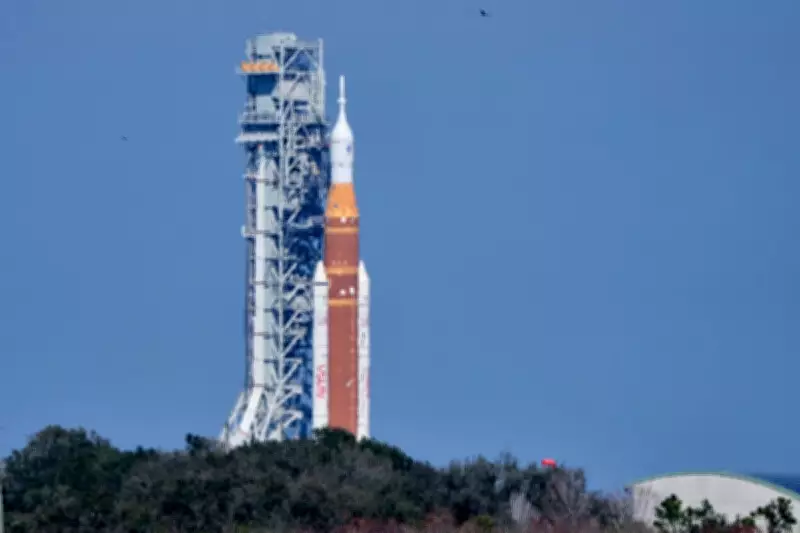
In a significant update to its lunar exploration plans, NASA has announced that the Artemis III mission will no longer involve a human landing on the moon. Instead, the mission will be dedicated to a series of critical technology tests in Low Earth Orbit. This shift means that Artemis IV, scheduled for around 2028, will now serve as the first human moon landing since Apollo 17 in 1972.
Understanding the Program Changes
The decision comes amid ongoing challenges within the Artemis program. Recent delays to Artemis II, which is set to carry Canadian astronaut Jeremy Hansen, highlight systemic issues. A liquid hydrogen leak during a wet dress rehearsal on February 3, followed by further problems in a second rehearsal from February 19 to 20, have pushed the earliest launch date to April 1. This results in a gap of over three years since the first Artemis mission, hindering rapid system refinements and leading to recurring issues like fuel leaks.
Compounding these difficulties, NASA lost approximately 4,000 employees, or 20% of its workforce, in 2025, creating significant workforce strains. New NASA administrator Jared Isaacman acknowledged these challenges in a social media post, stating, "the days of NASA launching Moon rockets every 3 years are over." A key part of the revised strategy involves standardizing the Space Launch System (SLS) rocket's upper stage to improve efficiency and reliability.

Artemis III: A New Mission Focus
Contrary to reports labeling the changes as a "cancellation," the new plans for Artemis III are seen by many, including experts, as more realistic and exciting. The mission will launch the Orion crew capsule with astronauts into Low Earth Orbit, where they will conduct in-space testing of essential technologies such as life support, propulsion, and communications systems.
Additionally, Orion is expected to rendezvous and dock with commercially developed lunar landers from SpaceX and Blue Origin, testing these critical components that were previously untested in the original plan. The crew may also evaluate new spacesuits designed by Axiom Space, which have not yet been used in an actual space mission. This approach reduces risks and increases the likelihood of a successful human moon landing with Artemis IV in 2028.
A Reinvigorated Lunar Program
The most surprising aspect of NASA's announcement is the ambition to attempt two moon landings in 2028, followed by annual missions thereafter. This accelerated cadence mirrors the pace of the Apollo program, which launched 11 crewed missions in just four years, signaling a renewed commitment to lunar exploration.
Questions Surrounding the Lunar Gateway
Notably absent from the announcement was any mention of the Lunar Gateway, a small space station intended to orbit the moon as part of the Artemis program. Originally, Artemis IV was planned to access the lunar surface via the Gateway. This omission raises concerns, particularly for Canada, as the Gateway will host Canadarm3, a $2-billion next-generation robotic arm with artificial intelligence capabilities. Building on Canada's robotics heritage from Canadarm and Canadarm2, this contribution is vital for the Artemis program, and its inclusion in future missions remains a hope for the Canadian space community.
Overall, these changes reflect NASA's adaptive strategy to overcome technical and workforce hurdles, paving the way for a safer and more sustainable return to the moon.