NASA Chief Condemns Boeing and Agency Managers Over Starliner's Failed Astronaut Mission
NASA's new administrator has launched a scathing critique against Boeing and the space agency's own management team following the disastrous Starliner astronaut flight that left two crew members stranded for an extended period at the International Space Station. Administrator Jared Isaacman delivered his pointed remarks on Thursday, highlighting systemic failures in leadership and decision-making processes that contributed to the mission's significant problems.
Leadership Failures and Delayed Response
Isaacman specifically called out poor leadership at Boeing as a primary factor in Starliner's operational troubles. He further criticised NASA managers for their failure to intervene effectively and expedite the return of astronauts Butch Wilmore and Suni Williams. The two veteran test pilots, who have since retired from NASA, endured more than nine months of unexpected confinement at the orbiting laboratory before finally securing transport back to Earth aboard a SpaceX spacecraft in March of last year.
"This is just about doing the right thing," Isaacman emphasised. "This is about getting the record straight." He stressed that all Starliner's technical and procedural issues must be thoroughly understood and completely resolved before any additional astronauts are permitted to board the spacecraft for future missions.

Serious Safety Designation and Historical Parallels
The NASA chief elevated the official classification of Starliner's troubled astronaut debut to a "Type A mishap," a designation reserved for incidents that could potentially endanger crew lives. Isaacman argued that Starliner should have received this serious classification from the very beginning, suggesting that internal pressures to maintain Boeing's participation and keep flight schedules on track may have influenced the initial assessment.
This classification carries particular weight within NASA's safety culture, as both the Challenger and Columbia space shuttle disasters were similarly linked to cultural and leadership shortcomings within the agency. The parallels between these historical tragedies and the current Starliner situation underscore the gravity of the concerns being raised.
Technical Problems and Near-Catastrophe
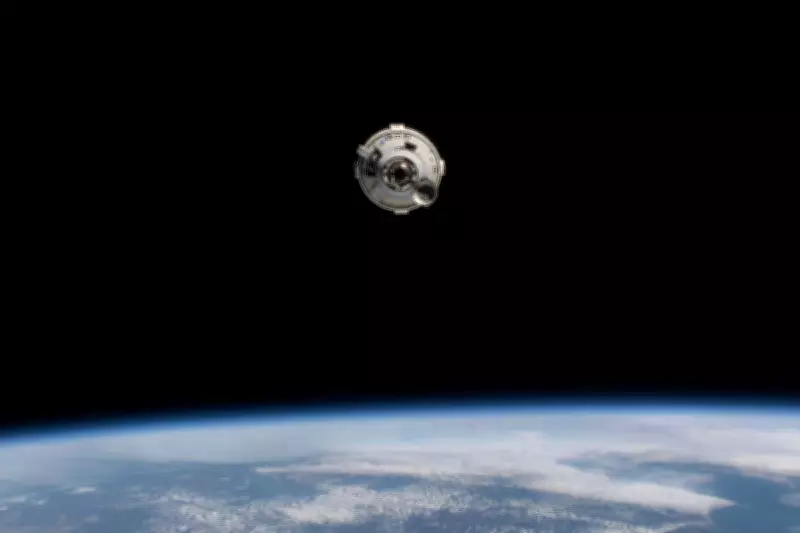
The 2024 Starliner mission encountered multiple critical technical failures that nearly prevented Wilmore and Williams from reaching the International Space Station altogether. Thruster malfunctions posed particular danger during the spacecraft's ascent, with ongoing analyses by Boeing engineers still attempting to fully understand the root causes.
NASA Associate Administrator Amit Kshatriya acknowledged the severity of the situation, stating, "We almost did have a really terrible day," in reference to the potential loss of human life that was narrowly avoided. Kshatriya admitted the space agency must improve its oversight and response mechanisms moving forward, declaring, "We have to own our part of this. As for Wilmore and Williams, we failed them."
Boeing's Response and Program Continuation
Boeing issued a formal statement acknowledging NASA's report while emphasising their commitment to crew safety and program continuation. The aerospace giant stated, "Boeing has made substantial progress on corrective actions for technical challenges we encountered and driven significant cultural changes across the team." The company stressed that NASA's findings would help guide their efforts to ensure astronaut safety in future missions.
However, no specific timeline has been established for when Boeing might launch Starliner on its next mission, which would likely be an uncrewed supply run serving as another critical test flight to demonstrate safety improvements before astronaut missions resume. This indefinite grounding leaves SpaceX as the sole American provider of crew transportation services to the International Space Station.

Historical Context and Contractual Background
The Starliner program's difficulties extend beyond this most recent astronaut mission. Boeing initially struggled with the spacecraft's first uncrewed test flight in 2019, which ended prematurely in the wrong orbit and necessitated a repeat demonstration mission that encountered its own technical challenges.
NASA originally contracted both Boeing and SpaceX in 2014, following the retirement of the space shuttle fleet, to develop spacecraft capable of transporting astronauts to and from the orbiting laboratory. These contracts represent billions of dollars in value for both companies. While Boeing continues to address Starliner's issues, SpaceX has successfully delivered thirteen separate crews to the space station for NASA since 2020, highlighting the contrasting trajectories of the two commercial space partners.
The ongoing investigation and remediation efforts surrounding Starliner represent a critical juncture for both NASA's commercial crew program and Boeing's future in human spaceflight. The agency's leadership has made clear that safety and transparency must take precedence over schedule pressures as they work to restore confidence in the spacecraft's capabilities.