NASA Discovers Massive New Moon Crater in 'Once-in-a-Century' Impact Event
A routine scan of the Moon's surface has revealed a massive new impact crater, with NASA declaring it a "once-in-a-century" event. The discovery comes as the space agency continues its ambitious mission to return humans to the lunar surface.
Unprecedented Lunar Scar Detected
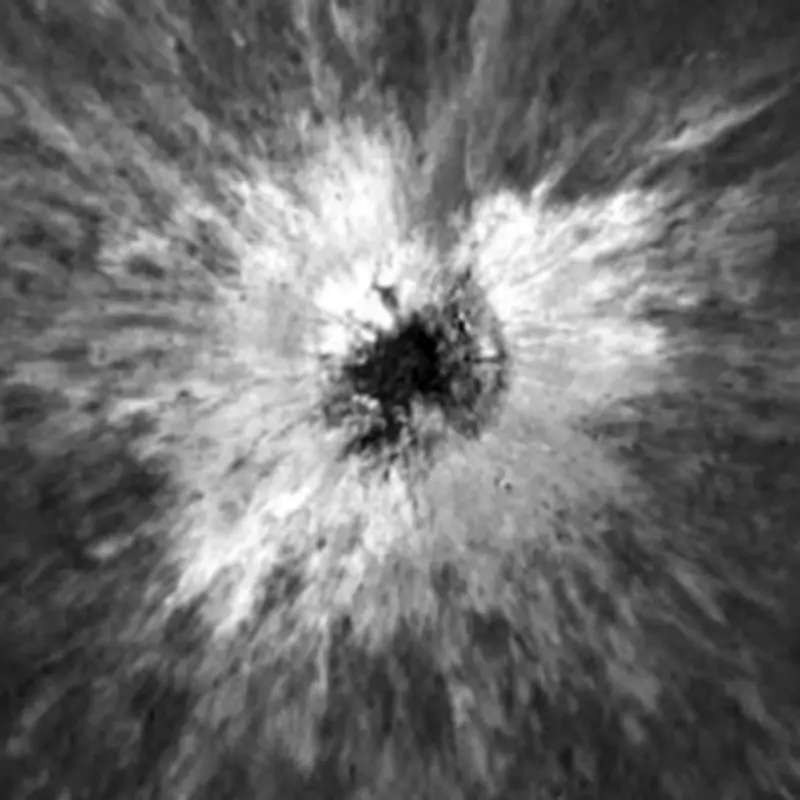
NASA's Lunar Reconnaissance Orbiter Camera captured images showing a fresh scar stretching approximately 225 metres across – roughly equivalent to the length of two football pitches laid end to end. While the Moon has accumulated impact craters over billions of years, this latest formation stands out for its exceptional size and rarity.
Planetary scientist Mark Robinson presented the findings at the Lunar and Planetary Sciences Meeting in The Woodlands, Texas, noting the crater formed on a boundary between the cratered lunar highlands and a wide, flat mare – an area that developed from liquid magma pooling on the Moon's surface.

Scientific Significance and Concerns
Based on comparisons with surrounding lunar features, researchers estimate a crater of this magnitude should only form once every 139 years, making this discovery exceptionally rare. The impact ejected vast amounts of rock and dust at high speeds, creating a blanket of debris extending hundreds of metres in all directions.
Scientists have expressed concern about the implications for future lunar structures, warning that any buildings on the Moon will need to be designed to withstand high-velocity debris, including particles travelling at approximately one kilometre per second. The Moon's lack of atmosphere means objects aren't burned up before impact, creating hazardous conditions across wide areas.
Timing with NASA's Artemis Missions
The discovery coincides with NASA's ongoing preparations for the Artemis program, which aims to return humans to the Moon. The Artemis 2 mission, now scheduled to launch no sooner than April 1, 2026, will carry four astronauts on a 10-day flight around the Moon and back to Earth.
NASA previously delayed the Artemis II crewed mission – originally planned for 2024 – due to technical issues with the Space Launch System rocket and Orion capsule. These problems included a faulty helium system, hydrogen leaks, and safety concerns regarding the heat shield.
This rare lunar impact event underscores both the dynamic nature of our celestial neighbour and the challenges facing future lunar exploration and habitation efforts.