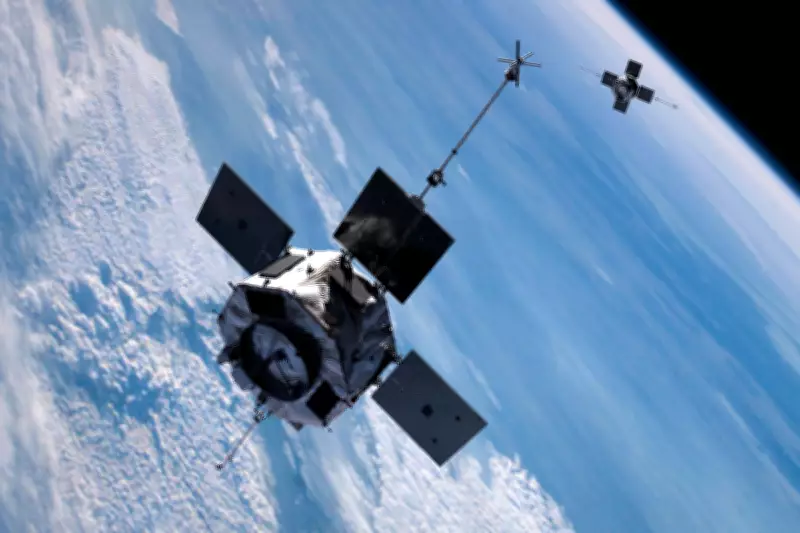
A 600-kilogram NASA satellite, the Van Allen Probe A, is projected to make a dramatic re-entry into Earth's atmosphere on Tuesday evening, with an estimated time of around 7:45 PM EDT. The spacecraft, which was launched in 2012, operated for seven years, collecting vital data on Earth's radiation belts to enhance space weather forecasting and protect technological infrastructure.
Low Risk of Ground Impact
NASA expects the majority of the satellite to burn up during its fiery descent through the atmosphere. However, some components, such as durable materials like titanium or steel, are anticipated to survive the intense heat and reach the ground. Despite this, the US space agency has calculated an extremely low risk of harm to anyone on the surface, estimating the odds at approximately 1 in 4,200.
Historical Context of Space Debris
While such events are rare, instances of space objects impacting people or property are not unprecedented. A notable incident occurred in China in 2002, when debris from a rocket fell in a rural area, though no injuries were reported. These occurrences highlight the ongoing challenges of managing space debris and ensuring public safety as satellite missions conclude.

The Van Allen Probe A played a crucial role in advancing our understanding of space weather, which can affect satellites, power grids, and communication systems. Its data has been instrumental in developing more accurate forecasts to mitigate potential disruptions. As the satellite meets its end, NASA continues to monitor its trajectory closely, providing updates to ensure global awareness and preparedness.