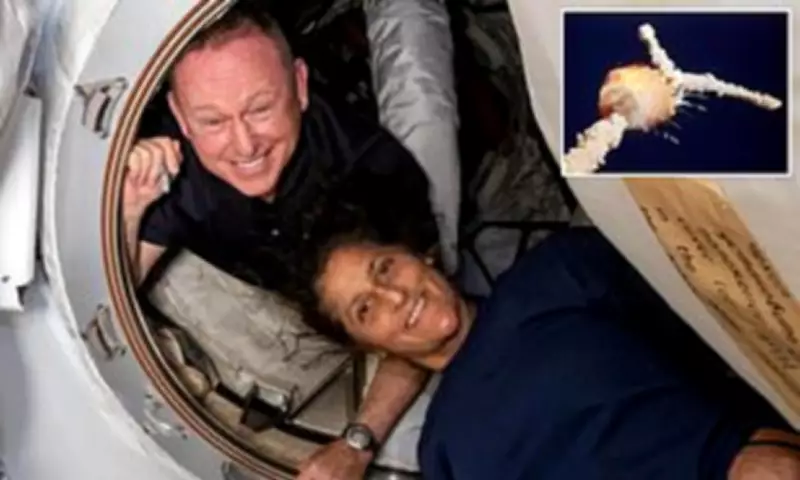
NASA has concluded a thorough investigation into the 2024 Starliner mission debacle, which resulted in two astronauts being marooned in space for an extended period of nine months. The American space agency publicly disclosed its comprehensive findings on Thursday, categorising the incident as a 'Type A' mishap. This classification represents the most severe level of mission failure, placing Boeing's 2024 test flight in the same grave category as the Challenger and Columbia disasters, tragic events that collectively claimed the lives of fourteen astronauts.
Mission Overview and Critical Failures
The Starliner spacecraft launched astronauts Sunita Williams and Butch Wilmore to the International Space Station in July 2024, with an originally planned eight-day stay. However, the capsule experienced significant malfunctions, rendering it unsafe for human travel. This forced NASA to return the spacecraft to Earth without the crew, leaving Williams and Wilmore stranded aboard the ISS.
Investigation Findings and Leadership Statements
NASA Administrator Jared Isaacman addressed the findings, stating: 'Mistakes occurred from the program's inception and continued throughout execution, including contract management, oversight posture, technical rigor and leadership decision making.' He further elaborated that Boeing constructed the spacecraft, and from the beginning, NASA approved variances and agreed to proceed with the flight. As development advanced, design compromises and insufficient hardware qualification extended beyond NASA's complete understanding.

The investigation uncovered a combination of technical and organisational issues that critically impacted the mission's safety and oversight protocols. Decisions and pressures both before and during the flight fostered a culture that occasionally prioritised schedule adherence over cautionary measures. Following the mission, concerns about reputation reportedly delayed the formal declaration of a mishap, and the program initially conducted its own internal review.
Operational Challenges and Resolution
Thruster failures and helium leaks on the Starliner prompted NASA and Boeing to keep the two astronauts in orbit for an extended period, due to fears that a return journey in the spacecraft could culminate in disaster. During this time, teams conducted extensive tests on these issues to ascertain whether the capsule could safely fly. When it was conclusively determined that Starliner posed a significant danger, the capsule undocked from the ISS empty and returned to Earth in September.
Williams and Wilmore eventually returned home in March, but they did so aboard Elon Musk's SpaceX capsule, highlighting the reliance on alternative spacecraft for their safe retrieval. This incident underscores ongoing challenges in human spaceflight and the critical importance of rigorous safety protocols.