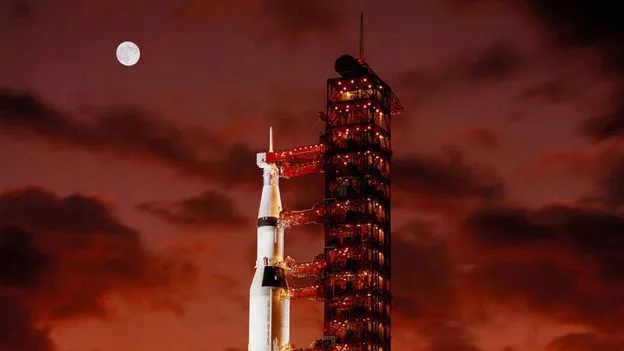
The Apollo programme, which culminated in the first Moon landing in 1969, cost an estimated $25 billion at the time—equivalent to roughly $175 billion (£140 billion) today. Despite the historic achievement, polling data from the era suggests the American public was largely opposed to the expenditure.
According to records from the John F. Kennedy Presidential Library, President Kennedy admitted in a private 1962 meeting that his primary motivation was beating the Soviet Union, not a passion for space exploration. He expressed concern about the 'fantastic expenditures' that could 'wreck our budget.'
Polls from June 1961 showed an even split between those for and against government funding of human Moon missions. Following the Apollo 1 fire in January 1967, which killed three astronauts, more than half of respondents opposed the missions. Only immediately after the Apollo 11 landing did support briefly surge, but it waned again after the Apollo 13 incident.

By the time of Apollo 17 in 1972, nearly 60% of Americans believed the country was spending too much on space. Space budgets had already been cut, and further lunar missions were cancelled. The data, compiled by historian Roger Launius and published in Space Policy journal, challenges the myth of universal public backing for Apollo.