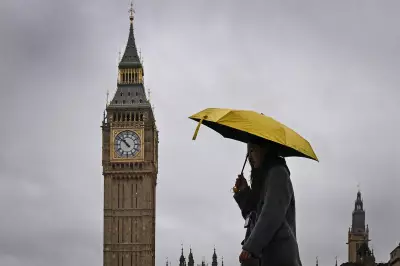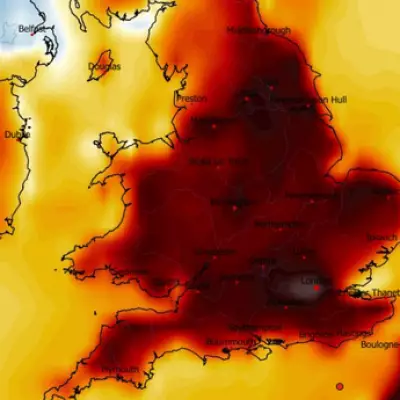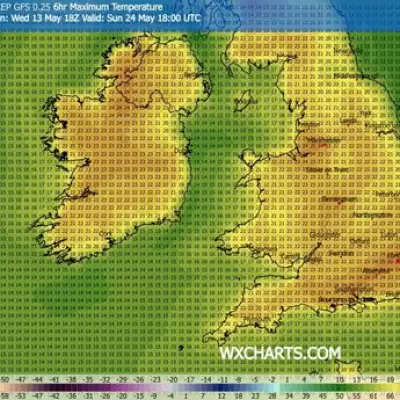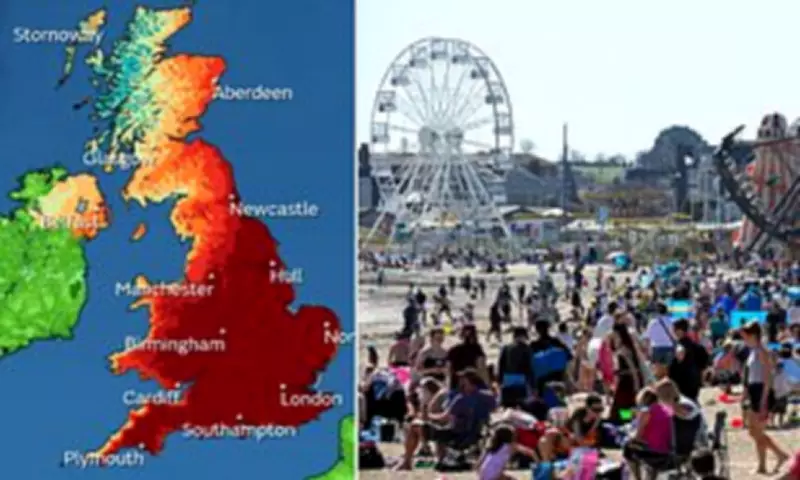
Britain is preparing for its first heatwave of the year, with temperatures expected to hit 31C over the bank holiday weekend following an unusually cool May. The UK Health Security Agency today activated a six-day heat health alert for southern, eastern, and central areas of England from Friday until next Wednesday. This alert—also the first of 2026—warns the public of an 'increased use of healthcare services by vulnerable people' and a 'greater risk to life of vulnerable people'.
Temperature Forecast
The Met Office expects temperatures to rise to at least 28C in London—the heatwave threshold—for at least five consecutive days from Friday until next Tuesday. The hot weather will be welcomed by many families whose children are on half-term holidays from school, which begin on Friday, with highs of 28C forecast that day. Friday will also be the UK's hottest day of the year so far, beating the existing 2026 record of 26.6C at Kew Gardens in London on April 8. Saturday will reach 29C before a peak of 31C on both Sunday and Monday, then 30C on Tuesday, with high temperatures also expected further into next week.
Heatwave Definition
A UK heatwave is deemed official when a location records at least three consecutive days of daily maximum temperatures that meet or exceed a specified threshold. This threshold varies by area: 28C in London, 27C in the Home Counties, 26C in the West Midlands, and 25C in Scotland, Wales, and Northern Ireland. Met Office operational meteorologist Niamh Murray said: 'If temperatures hold up on Saturday, we are expected to keep high pressure around into at least the first half of next week, so there is a potential that we may see those thresholds reached by the time we get to Sunday but… it's not 100 per cent certain on that yet.'

Weather Context
May has been colder than average for many areas so far after temperatures dropped in the first few weeks of the month. However, Ms Murray noted that the contrast with the recent cool spell will make this weekend feel much warmer. Most of England and Wales, as well as parts of Scotland, will see above-average temperatures, but the hottest weather will be in the South East, particularly around London and potentially towards East Anglia. Tomorrow will start cloudy for everyone with some rain in Wales and parts of north-west England, but the weather will brighten for many by the afternoon as clouds break up, especially in the South.
Heat Health Alert
The heat health alert covers the East Midlands, East of England, London, West Midlands, and the South East from 9am this Friday until 5pm next Wednesday. The UK Health Security Agency advises the public to take precautions, especially vulnerable individuals, to avoid health risks associated with high temperatures.
Travel and Road Congestion
The AA is predicting a busy bank holiday weekend on the roads due to the warm weather, the start of half term, and the final round of Premier League fixtures. Many motorists are set to make last-minute trips to the coast, countryside, attractions, and family gatherings over the long weekend. Research by the motoring organisation, based on 12,225 responses from its members, suggests the getaway will be spread across the whole long weekend, with around two-thirds of drivers expecting to travel each day. Friday is expected to be the busiest day with around 23.4 million journeys, 22.8 million on Saturday, and 22.4 million on both Sunday and bank holiday Monday. Most bank holiday journeys are expected to be local or regional, with 53 to 55 per cent of drivers planning trips of up to 50 miles each day.

Reasons for Travel
Shopping is the most common reason for travelling, cited by 40 per cent of drivers, closely followed by visiting family or friends at 39 per cent. Almost a quarter are planning DIY or garden centre trips (23 per cent), while 22 per cent expect to travel for work. Leisure traffic will also add to the risk of potential congestion, with 11 per cent planning a day trip to attractions, 8 per cent heading to the coast, 7 per cent taking a UK holiday, and 7 per cent going away for a long weekend. Likely hotspots include local routes around shopping centres, retail parks, and garden centres; roads serving popular seaside towns, national parks, ports, and airports; and roads heading towards the east coast, including routes to resorts such as Skegness. Routes towards the South West and Cornwall, including the A303, M5, and A38, are also set to be busy—as is the M4 from London and routes leading towards Wales, and the M6 towards Blackpool and the North West coast. Sunday may also bring extra pressure around major football grounds and surrounding roads, with the final round of Premier League fixtures taking place across England from 4pm.
Lee Morley, AA expert patrol, said: 'A warm Bank Holiday weekend is exactly the kind of forecast that gets people thinking about a last-minute getaway, a day at the coast or a trip to see friends and family. When good weather arrives after an unsettled spell, people are often more willing to make spontaneous plans, so drivers should expect popular routes to get busy quickly.'
Fuel Prices
Yesterday, the RAC revealed petrol prices had eclipsed the previous highest level of the Iran oil crisis. The organisation said the average price of a litre of petrol at UK forecourts stands at 158.5p, the most expensive it has been since December 2022. Following the beginning of the conflict in the Middle East on February 28, the price peaked at 158.3p on April 15. The average price then fell by more than a penny per litre until the start of May, when it began rising again. RAC head of policy Simon Williams described the recent rise as 'bad news for drivers ahead of the bank holiday' and warned prices are set to become even more expensive. Tomorrow, Chancellor Rachel Reeves is expected to abandon her plan to increase fuel duty from September. She previously announced in her November 2025 budget that the 5p per litre fuel duty reduction—introduced by the Conservative government in March 2022—would be extended until the end of August 2026, with rates then gradually returning to previous levels over the next five years. Motoring research charity the RAC Foundation estimates rises in pump prices since the conflict in the Middle East began have led to motorists paying an additional £2.9 billion, based on average daily pump price rises and last year's fuel consumption rate.