

BrewDog Co-Founder Suggests Glimmer of Hope for 220,000 Investors
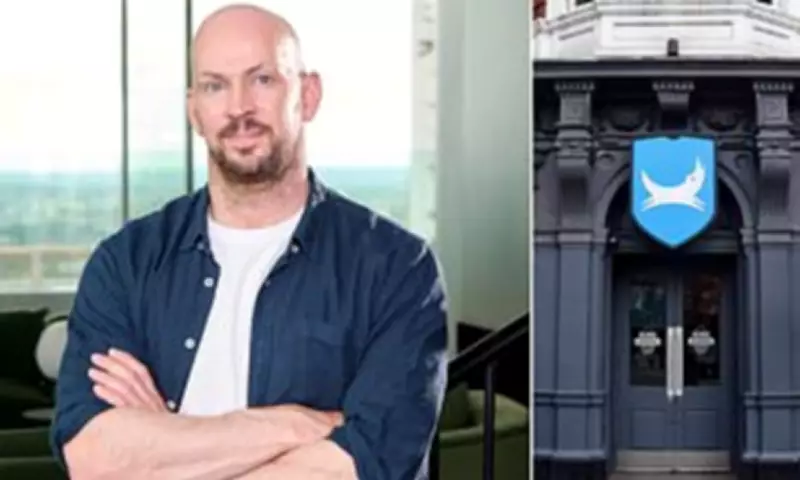
James Watt, the millionaire co-founder of BrewDog, has hinted that the craft beer firm's 220,000 amateur investors might still see some benefit following the company's £75 million sell-off to US cannabis and drinks giant Tilray. This cryptic suggestion comes despite shareholders expressing deep frustration after missing out on any financial returns from the latest development.
Catastrophic Fall from Grace
The Scottish brewery, once valued at an impressive £2 billion just a few years ago, was sold for a mere £33 million earlier this week, representing a catastrophic 97% decline in value over nine years. This dramatic collapse resulted in the immediate closure of 38 UK bars and the loss of almost 500 jobs, with CEO James Taylor informing 484 staff members during a conference call that they were no longer employed.
Shares owned by the 220,000 'Equity Punks' who invested approximately £75 million across seven funding rounds since BrewDog's 2007 stock market launch are now considered practically worthless. The investors, many of whom were drawn to the company's anti-establishment 'punk' ethos, have been left empty-handed while Watt and co-founder Martin Dickie reportedly shared in a £100 million payday when they sold 22% of the firm to US investment firm TSG Partners in 2017.

Cryptic Social Media Hint
In a surprising turn, Watt responded to a sardonic social media post featuring an AI-generated image of a BrewDog beer can with the words 'Bust AF, 0% Equity Punks, Bitter Aftertaste' with a cryptic message: 'Let's see. Maybe the Equity Punk story is not quite finished yet...' This comment has sparked speculation about potential future developments, though Watt has not elaborated further on what this might entail.
The 43-year-old entrepreneur, married to television personality Georgia Toffolo, has publicly expressed contrition over the company's downfall. In a lengthy statement shared across multiple social media platforms, Watt described the past week as 'incredibly hard' and stated he was 'heartbroken' for both the employees who lost their jobs and the investors who wouldn't receive their expected returns.
Admission of Strategic Errors
Watt acknowledged 'many mistakes' during his tenure running the Equity Punk brand, admitting that with hindsight, the company had expanded too rapidly and diversified too widely. He also confessed to mishandling public relations crises in ways that weren't 'authentic and true to who I am.' The co-founder, who stepped back from the CEO role in 2024 amid allegations of a toxic workplace culture, said he would have 'loved to save every single job and every single equity punk investment' but simply 'couldn't.'
Social media responses to Watt's statements have been mixed, ranging from well-wishing to severe criticism. Some commenters highlighted the preferential treatment given to institutional investors over amateur Equity Punks, while others defended BrewDog's role in revitalizing UK craft beer culture. One Instagram follower pointedly remarked: 'I'm sure you have plenty of sympathy for those left with no jobs and bills to pay whilst you sit in your penthouse overlooking Blackfriars.'
Administration and Aftermath
Administrators AlixPartners confirmed they hadn't received any offers that would have preserved BrewDog in its entirety. Watt had attempted to invest £10 million of his personal funds as part of a rescue package, but this ultimately failed. While 733 staff members have been retained in the sale, including operational personnel and those working at 11 franchised pubs, dismissed employees were instructed to claim lost wages through the Insolvency Service, effectively transferring the financial burden to the public purse.
The sudden nature of the mass layoffs, conducted via conference call with minimal notice, has drawn unfavorable comparisons to P&O Ferries' controversial 2022 sackings. Bryan Simpson, lead organizer of Unite's hospitality branch, described BrewDog management's conduct as 'nothing short of a national disgrace' with 'all the hallmarks of the scandal at P&O Ferries.'

Broader Industry Challenges
Former BrewDog bars division CEO James Brown suggested government policy should shoulder some responsibility for the company's troubles, citing increased National Insurance contributions and other regulatory burdens that have 'steadily eroded confidence in hospitality' in the post-Brexit, post-COVID landscape.
BrewDog's journey from a small beer brewing business founded by Watt and Dickie in 2007 to the world's leading craft beer brand in the late 2010s has been marred by numerous controversies. These include allegations of a toxic working culture, inappropriate behavior by Watt (which he has vehemently denied), and criticism that the company abandoned its original DIY 'punk' ethos to become the corporate juggernaut it once resented.
Environmental and Ethical Controversies
The company has faced repeated challenges regarding its environmental claims, most notably the failure of its 'Lost Forest' carbon offsetting project in the Scottish Highlands, where thousands of acres of planted trees either died or failed to take root. BrewDog also abandoned the 'real' living wage in 2024 and has been criticized for multiple rounds of closures and redundancies in recent years.
With international operations in the US, Australia, and Germany now under review, and the German division reportedly facing liquidation, the future of BrewDog's global presence remains uncertain. Meanwhile, Watt has moved on to co-found Social Tip, a new venture promising influencer-style payouts for social media brand promotion, which has distributed £500,000 among 100,000 users since its launch last year.
As BrewDog investors await clarification on Watt's cryptic suggestion that the Equity Punk story might continue, the craft beer industry watches closely to see whether any redemption remains possible for what was once Britain's most celebrated brewing success story.





