

BrewDog Investor Blasts Former Owners After Losing £1,000 Investment
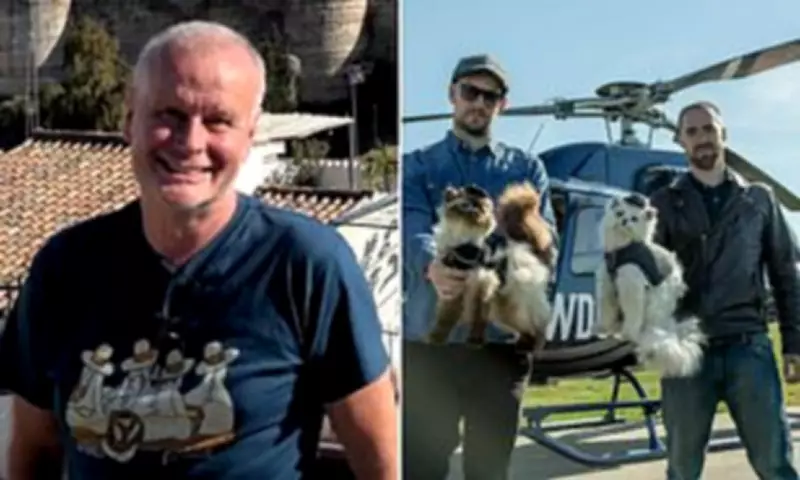
A pub landlord who invested £1,000 in BrewDog has launched a scathing attack on the company's former owners, after thousands of shareholders were left with nothing following its collapse. Alan Wilcockson, 63, who runs the Boot and Shoe Inn in Scholes, West Yorkshire, declared: 'Full bellies don't feel for empty ones.'
Investment Hopes Dashed in BrewDog Collapse
Mr Wilcockson purchased 25 shares during BrewDog's final 'Equity for Punks' (EfP) funding round in 2020, hoping it would prove to be a solid financial investment. Instead, like approximately 220,000 other 'equity punks', he is now completely out of pocket after the company was sold for just £33 million to American cannabis firm Tilray Brands. This represents a dramatic fall for a company that once claimed to be valued at nearly £2 billion.
The sale resulted in the closure of nearly 40 bars and approximately 500 job losses. Administrators AlixPartners have confirmed that equity punks, who collectively invested up to £95 million of their own money into BrewDog, received absolutely nothing from the sale proceeds.

Founders Profited While Investors Lost Everything
In stark contrast, back in 2017, co-founders James Watt and Martin Dickie – who pioneered the EfP scheme in 2010 – each pocketed £50 million after selling more than a fifth of the company to private equity investor TSG Partners.
Mr Wilcockson feels he and fellow shareholders were fundamentally mis-sold the investment opportunity. He admits he invested despite openly disliking craft beer. 'I'm not a fan of BrewDog - I can't stand craft beer,' he told the Daily Mail. 'But I thought, the younger crowd seem to like it so I'll put a grand in and see how it goes. The way they marketed it seemed to be like, 'this is a great investment opportunity'. That one sentence is what made me invest. And I've since found out they weren't proper shares at all.'
The 'Punk' Promise Versus Financial Reality
Founded by Watt and Dickie in 2007 in northern Scotland, BrewDog positioned itself as a 'punk' brewer challenging corporate giants like Heineken. The EfP programme, launched in 2010, invited fans to invest in the company's growth in exchange for discounts and potential returns, marketed as an alternative to traditional bank or private equity funding.
Early marketing materials promised investors they would 'literally become richer with every BrewDog beer you drink.' However, the prospectus for the later 'Equity for Punks Tomorrow' scheme, which Mr Wilcockson joined, was more tempered, mentioning only a 'potential increase in the value' of shareholdings.
The critical detail hidden in the small print was that 'equity punks' were sold ordinary shares without preferential rights. Meanwhile, the 2017 deal with TSG Partners granted that firm 'preferential' shares, putting it first in line for any payout in a sale, accruing 18% interest annually. When BrewDog was ultimately placed into administration before its sale, all available funds went to creditors and TSG, leaving ordinary shareholders with nothing.
A Sense of Betrayal and Cynical Marketing
Mr Wilcockson asserts this hierarchy was not communicated clearly. 'Absolutely not,' he said when asked. 'The impression I got was that they were going to go public... I knew it was a risk but I didn't realise just what a risk it was.'
While some observers suggest many investors were motivated by a sense of community and perks like free beer, Mr Wilcockson invested purely for financial return. He never used any shareholder benefits and now feels like an 'idiot' taken in by the company's 'punk' image.
'Look, I'm 63 - I was a punk,' he says. 'I think they've led me up the garden path. Is that 'punk', or is that making £75million out of stupid people? It's mis-marketing, isn't it? All that £75million of investors, what they definitely didn't do is benefit from the growth of the company. The vibe they give... 'we're against the man'? I think they are the man.'

Founders' Departure and Company's Downfall
James Watt and Martin Dickie left BrewDog in 2024 and 2025 respectively, following cumulative losses of £148 million over five years, allegations of a toxic culture, and misconduct claims against Watt, which he denies. The company's reputation suffered further when it was revealed Watt had invested £500,000 in Heineken and £2 million in an offshore hedge fund, actions that starkly contradicted its anti-establishment branding.
BrewDog also abandoned expansion plans, ceased paying the 'real' living wage, lost its B Corporation status, and sold a carbon-offset forest after half the planted trees died.
New Owner's Response and Investor Cynicism
Since acquiring BrewDog's UK operations (excluding 38 pubs), Tilray has also purchased some of its US and Australian assets. The new owner has attempted to placate equity punks by confirming they can retain benefits like birthday free beers and bar discounts. Tilray BrewDog Chairman Irwin Simon acknowledged that equity punks 'helped build BrewDog into what it is today.'
James Watt, now living in a luxury London penthouse, posted on social media that he was 'heartbroken' for those who lost jobs and investments, a statement widely met with ridicule.
Mr Wilcockson remains deeply cynical, reiterating his mother's saying: 'Full bellies don't feel for empty ones.' He added pointedly about Watt: 'He's got a full belly, and he's not feeling for the empty ones, is he?'
A spokesperson for Tilray BrewDog stated: 'We are excited about our investment in BrewDog... The outcome for Equity Punks relates to BrewDog's position under previous ownership, prior to Tilray's involvement. These matters are separate from Tilray... We are focused on stabilizing the business and building a strong foundation for long-term growth, while maintaining the spirit of the Equity Punk community.'





