

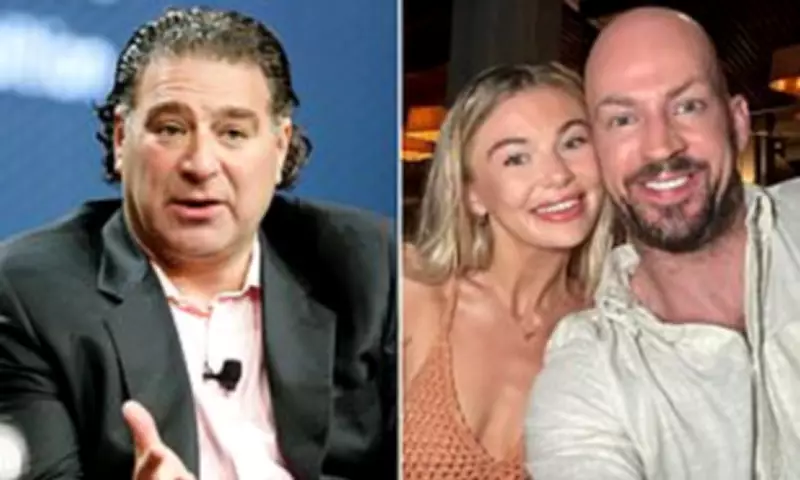
BrewDog's New Owner Delivers Blistering Critique of Founder James Watt
Irwin Simon, the chief executive of Tilray Brands, has launched a scathing verbal assault on BrewDog's co-founder James Watt, bluntly stating that the entrepreneur's reputation represents "a stigma we would have to overcome" and emphatically declaring "we don't need James Watt." The comments come just weeks after Tilray announced a £33 million rescue deal for the troubled Scottish brewery.
Definitive Separation from Controversial Founder
Speaking exclusively to the Sunday Telegraph, Simon made his position unequivocally clear regarding Watt's potential involvement with the company moving forward. "I haven't spoken to James Watt," Simon revealed. "We don't need James Watt, because if James Watt were ever to come back here - and I'm being very clear, he's not - what happens is this becomes about James Watt's second and third act."
This definitive separation follows a tumultuous period for BrewDog that saw the closure of 38 UK bars operated by the brewery and the dismissal of 484 staff members during an all-hands conference. The company, which at its peak operated more than 120 bars across 57 countries, has faced significant challenges in recent years.

Rescue Deal and Financial Fallout
The £33 million acquisition by Tilray represents a dramatic devaluation for a company that was speculatively valued at £2 billion just a few years ago. James Watt expressed being "heartbroken" following the acquisition, particularly after he had sought to invest £10 million of his own cash in a rescue deal that ultimately failed.
The financial implications extend beyond the founders to the 220,000 "equity punks" who invested approximately £75 million in BrewDog over seven funding rounds. Their shares have been rendered practically worthless in the sale, a point Watt highlighted in his response to Simon's comments, expressing disappointment that Tilray had not repaid these early supporters.
Cultural Controversies and Allegations
BrewDog's decline coincided with mounting allegations about workplace culture and leadership behavior. From 2021, Watt faced accusations of fostering a "toxic" environment, compounded by the company's abandonment of the Real Living Wage commitment in 2024.
The controversies reached a peak in 2022 when a BBC documentary aired claims that Watt had kissed a drunk customer and that female staff received advice on avoiding unwelcome attention from him during bar visits. While Watt apologized for making anyone feel "uncomfortable," he also hired private investigators to probe those raising concerns and challenged the documentary with Ofcom, though none of his complaints were upheld.
Revival Strategy and New Direction
Irwin Simon has now outlined his blueprint for reviving the BrewDog brand, signaling a distinct departure from Watt's leadership approach. "I've heard multiple stories [about Mr Watt], but it's not us," Simon stated, acknowledging the stigma attached to the company's recent history while asserting his commitment to overcoming it.
Key elements of Simon's strategy include:
- Driving customers back to BrewDog pubs by stocking competitors' beers alongside their own products
- Implementing a franchised model for future pub openings
- Avoiding the controversial "media stunts" that characterized Watt's marketing approach
- Focusing on operational stability with 733 staff retained in the sale
Broader Industry Context
BrewDog's struggles occur against a challenging backdrop for British hospitality. Since 2010, Britain has lost approximately 6,900 pubs and bars while gaining 25,000 barbers, nail salons, and other beauty outlets. The sector faces ongoing pressures from rising business rates and operational costs.
In January, Chancellor Rachel Reeves announced a £300 million package to support pubs against increasing business rates, offering a 15% discount from April. However, industry groups like HospitalityUK warn that similar measures are needed for cafes, restaurants, and hotels to prevent further closures.
Simon acknowledged the challenging environment, noting "there's a tax on everything here," though he admitted unfamiliarity with specific details regarding rising National Insurance Contributions and business rates.

Founder's Response and Brand Legacy
Responding to Simon's comments, James Watt emphasized the importance of BrewDog's community of supporters, stating "for me, there is no BrewDog fightback without taking the community with us." This reference to the "equity punks" highlights the tension between the company's original "punk" ethos and its current corporate reality.
BrewDog, founded in 2007 by Watt and Martin Dickie, grew from a small brewing operation to become the world's leading craft beer brand by the late 2010s. However, critics argue the company has shed its DIY ethos to become one of the corporate entities it originally resented, weathering multiple public relations storms along the way.
As Tilray assumes control, the brewing giant faces the dual challenge of revitalizing a troubled brand while distancing itself from the controversies of its charismatic but divisive founder.





