

Eight States and DirecTV Launch Legal Challenges to Block Nexstar-Tegna Merger
Attorneys general from eight states, including California, New York, and Illinois, alongside satellite television provider DirecTV, have filed lawsuits seeking to block the proposed merger between local television giants Nexstar Media Group and its rival Tegna. The legal actions argue that the $6.2 billion deal would lead to increased prices for consumers and negatively impact the already struggling local journalism sector.
Details of the Merger and Legal Opposition
Nexstar announced its intention to acquire Tegna in August of last year, a move that would create a media powerhouse owning 265 television stations across 40 states and the District of Columbia. Most of these stations are local affiliates of major networks such as ABC, CBS, Fox, and NBC. The lawsuits, filed in the U.S. District Court in Sacramento, California, contend that the merger would violate federal antitrust laws designed to prevent monopolies.
DirecTV, which filed a separate case in the same court, stated that Nexstar's primary motivation for the acquisition is to drive up the prices it can charge distributors like DirecTV, ultimately forcing these companies to raise subscription fees for their customers. "Nexstar's purpose in acquiring Tegna is to drive up the price it can extract from DirecTV and other distributors, which will force them to raise prices to their subscribers," the company asserted.

Concerns Over Consumer Impact and Local News
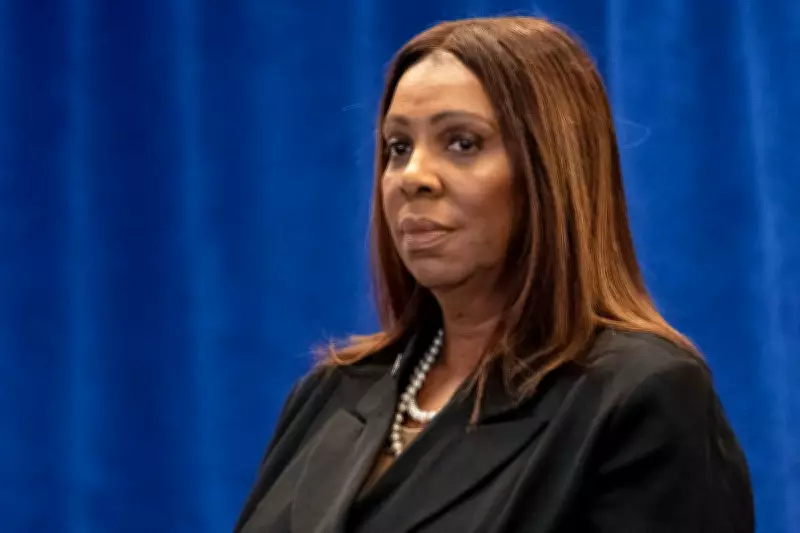
New York Attorney General Letitia James emphasized the potential financial burden on consumers, stating, "If this merger moves forward, cable prices will spike for consumers in New York and across the country." The coalition of Democratic attorneys general from California, Colorado, Connecticut, Illinois, New York, North Carolina, Oregon, and Virginia echoed these concerns, highlighting that the deal would require changes to federal ownership rules currently limiting the number of stations one company can control.
Both lawsuits also raised alarms about the merger's effect on local news. Given Nexstar's history of consolidating newsrooms in markets where it owns multiple stations, there is fear that the acquisition would further harm local journalism. The legal filings note that there are 31 markets nationwide where Nexstar and Tegna each own at least one station, potentially reducing competition and journalistic diversity. "We all benefit when local newsrooms compete to get stories," James remarked.
Political and Regulatory Context
The merger has garnered support from President Donald Trump, who endorsed it in February via social media, advocating for more competition against what he termed "the Fake News National TV Networks." However, Federal Communications Commission Chairman Brendan Carr has been pushing to relax ownership restrictions, which could facilitate the deal's approval.
Nexstar has defended the merger, arguing that it would enable the company to compete more effectively with larger legacy media firms and Big Tech companies. The media group previously demonstrated its influence by ordering its ABC stations to remove late-night host Jimmy Kimmel following controversial comments, though this decision was later reversed after public backlash.
The attorneys general involved in the lawsuits have expressed openness to gaining support from other states, including those with Republican chief legal officers, indicating a broad-based concern over the merger's implications. As of now, Nexstar has not issued an immediate response to requests for comment on the legal challenges.






