

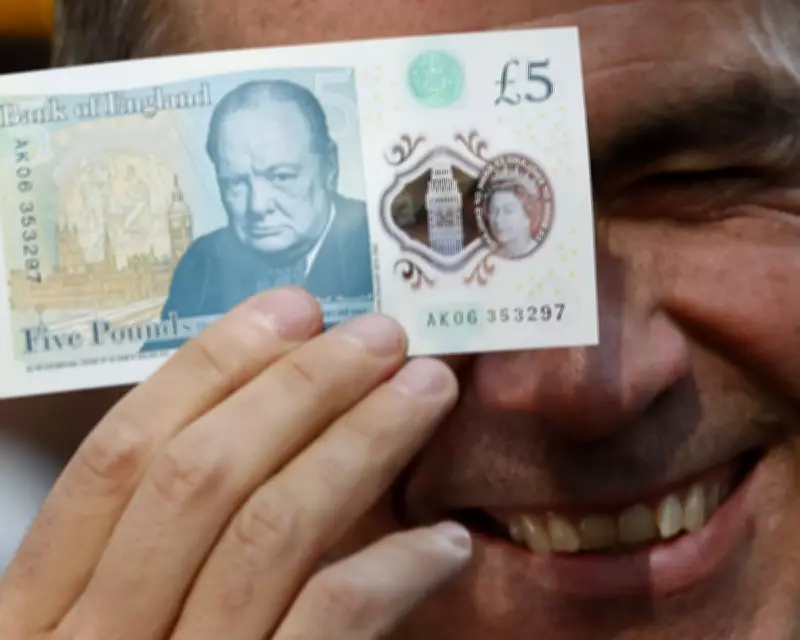
Bank of England's Wildlife Banknote Plan Ignites Fierce Culture War
The Bank of England has announced a dramatic shift in British banknote design, ending a half-century tradition of featuring historic notables. Instead, the next generation of banknotes will showcase patriotic British wildlife, selected through a public vote and expert panel shortlist. This decision has sparked a heated culture war, with critics labeling it as "woke" and supporters defending it as a progressive move.
Public Consultation Backs Wildlife Theme
A consultation conducted in July revealed strong public support for the wildlife theme, with 60% of the 44,000 respondents endorsing nature-inspired designs. This outpaced "architecture and landmarks" at 56% and significantly exceeded "historic figures" at a mere 38%. The Bank's governor will retain final approval authority to prevent potential public voting mishaps reminiscent of the "Goaty McGoatface" incident.
International Precedents and Domestic Examples
This transition is not without precedent. In 2024, the International Bank Note Society awarded its prestigious banknote of the year award to Bermuda's $5 note, which features King Charles alongside marine life and butterflies. Within the UK, Royal Bank of Scotland notes already depict wildlife such as mackerel, otters, and red squirrels, though these face limited acceptance in southern England.

Political Backlash from Self-Appointed Patriots
The announcement has provoked outrage among Britain's vocal patriot community. Nigel Farage expressed fury on social media, declaring: "The Bank of England is proposing replacing Winston Churchill with a picture of a beaver on our banknotes. This is the definition of woke." Conservative MP Tom Tugendhat criticized the Bank for "the weakness of not being able to make tough choices and instead going for bland neutrality," while financial commentator Matthew Lynn denounced the end of honoring "our greatest Brits" as a travesty.
Cross-Party Concerns and Avoidance of Controversy
Criticism extends beyond the right wing. Liberal Democrat leader Ed Davey argued that Churchill "deserves better than being replaced by a badger," and BBC coverage noted the Bank's likely motivation to avoid backlash through neutral wildlife choices. The Bank's guidelines explicitly mandate avoiding "divisive" imagery that could exclude or offend any groups, reflecting a cautious approach amid ongoing culture wars.
Historical Context and Symbolic Significance
The monarch has only appeared on banknotes since 1960, with Elizabeth II's debut preceding other historic figures by a decade. Social justice campaigner Professor Patrick Vernon criticized the decision as "deeply disappointing" to those advocating for minority representation, stating it sends a "troubling message that the institution would rather feature a fox or a flower than confront Britain's diverse human story."
Practical Considerations and Declining Cash Use
Beyond symbolic debates, practical factors influence the redesign. The Bank's criteria include selecting images that resonate with the public, remain timeless, and enhance counterfeit resistance. With cash usage declining to about 15% of transactions and likely to decrease further, the banknote redesign occurs amid shifting payment preferences.
Broader Implications and Future Controversies
The controversy mirrors international challenges, such as the delayed US plan to replace Andrew Jackson with Harriet Tubman on the $20 bill. As Britain navigates this symbolic transition, the debate underscores the enduring importance of national symbols in reflecting societal values and historical narratives.






