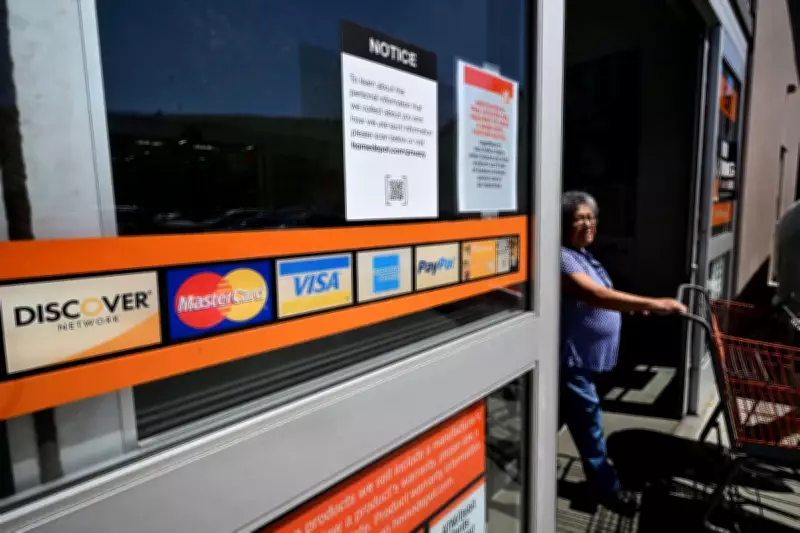
A new survey reveals that nearly one in five Americans avoid seeking professional help for credit card debt until they face a financial breaking point. According to a study by Consolidated Credit, approximately 78 percent of residents carry a credit card balance, but 20 percent would delay getting professional assistance until it is a last resort.
Financial Education Director Warns Against Procrastination
April Lewis-Parks, Director of Financial Education at Consolidated Credit, compared waiting for a financial crisis to "waiting until your engine blows up to change the oil." She emphasized that addressing debt problems early is easier and cheaper to resolve.
The survey found that only 15 percent of consumers with total credit card balances of at least $10,000 are willing to seek help. This reluctance comes as Americans face an affordability crisis driven by soaring inflation, high interest rates, and near-record credit card debt.

Impact of Geopolitical Events on Household Finances
The ongoing conflict involving Iran continues to affect the cost of everyday goods in the United States. Gas prices have surged by more than 50 percent since military actions began in late February. By May, every state recorded an average gas price of at least $4 per gallon. Higher energy costs contributed to a 3.8 percent inflation rate in April, marking another yearly high.
Essential items like beef and tomatoes saw double-digit price increases from March to April, further straining household budgets. The Trump administration has acknowledged the rising costs but stated they are not a factor in peace negotiations with Iran. Many consumers are turning to credit cards to cover budget shortfalls caused by the higher cost of living.
Everyday Spending Drives Credit Card Debt
Nearly three-quarters of American credit card debt—approximately $883 billion—is linked to everyday spending, according to a January report from Academy Bank in Kansas City. At that time, total credit card debt reached an all-time high of $1.3 trillion, as reported by the Federal Reserve Bank of New York.
Credit card balances have since declined by $25 billion in the first quarter of 2026, potentially due to consumers using tax refunds to pay down debt, according to a Morgan Stanley analysis. Despite this progress, average credit card interest rates remain around 21 percent, close to the all-time highs seen in 2024, according to the Federal Reserve.