

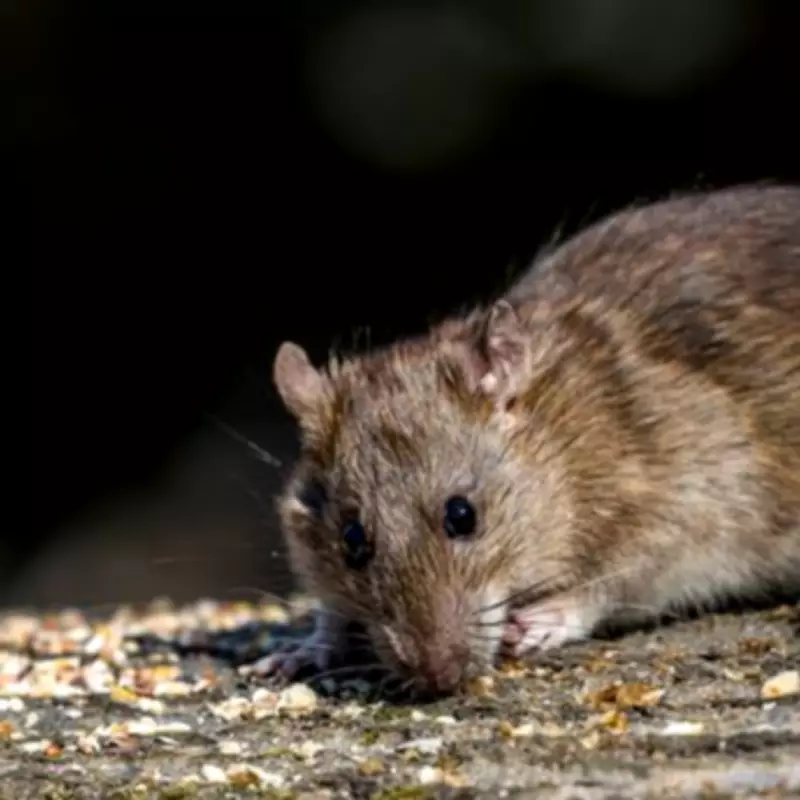
Major Food Recall: 25 Cakes and Biscuits Pulled Over Rodent Contamination Fears
The Food Standards Agency (FSA) has issued an urgent 'do not eat' alert, leading to the immediate recall of 25 different cakes and biscuits from supermarket shelves. This significant food safety action comes after the discovery of potential rodent contamination in products manufactured by Saffron Pastries.
Full List of Affected Products
Saffron Pastries is recalling multiple branded items due to contamination concerns. The comprehensive list includes:
- Almond Biscuits
- Almond Madeira Slice
- Coconut Slice
- Cream Roll
- Family Almond Cake Rusk
- Family Cake Rusk
- Fruit Madeira Slice
- Fruit Slice
- Jam Biscuits
- Lemon Slice
- Original Cake Rusk
- Almond Slice
- Pistachio Biscuits
- Plain Madeira Slice
- Triple Pack Variety Madeira
- Twin Pack Madeira
- Vanilla Slice
- Angel Slice
- Cake Rusk Soonfi
- Cherry Madeira Slice
- Chocolate Slice
- Coconut Biscuits
- Coconut Madeira Slice
Concerningly, some of these products have best-before dates extending into 2027, indicating they may have been distributed widely and could remain in consumer homes for some time.

Official Guidance from Food Standards Agency
The FSA has mandated that point-of-sale notices be displayed prominently in all retail stores selling these products. These notices clearly explain the recall reasons and provide essential instructions for consumers who may have purchased affected items.
An FSA spokesperson emphasized: "If you have bought the products, do not eat them. Instead, return them to where you bought them from for a full refund."
Consumers seeking additional information can contact Saffron Pastries directly via email at info@saffronpastries.com or by telephone at 01274 726101.
Serious Health Risks Associated with Rodent Contamination
In the United Kingdom, rodents including brown rats (Rattus norvegicus) and house mice (Mus musculus) represent significant public health hazards. These pests can contaminate food and water supplies through multiple vectors including droppings, urine, saliva, and hair.
Salmonellosis stands as one of the most prevalent risks. Rodents carry Salmonella bacteria within their intestinal tracts and excrete them through faeces. When rodents access food preparation areas or storage facilities, they can trigger severe food poisoning incidents characterized by diarrhoea, fever, and abdominal cramps.
Leptospirosis, commonly known as Weil's Disease, represents another serious bacterial infection primarily transmitted through infected rat urine. This contamination can directly affect food or water sources. While initial symptoms often resemble flu, the condition can progress to Weil's disease, causing jaundice, kidney failure, and internal bleeding.
Additional Health Concerns from Rodent Exposure
Similar to Salmonella, E. coli can be deposited on food surfaces through rodent droppings, resulting in significant gastrointestinal distress. Although less frequent, rodents may carry Listeria bacteria, which poses particular dangers to pregnant women and immunocompromised individuals when contaminating food processing environments.
While relatively rare in the UK compared to other regions, certain native rodents like bank voles or rats can harbour hantaviruses. Human infection may occur through consumption of food contaminated with infected urine or droppings, or through inhalation of dust containing these waste products.
Lymphocytic Choriomeningitis (LCMV), spread predominantly by common house mice, presents another concern. The virus transmits through contact with saliva, urine, or droppings in food and can lead to meningitis symptoms.
Cryptosporidiosis, a parasitic infection causing watery diarrhoea, spreads through the fecal-oral route, typically when rodent droppings contaminate water supplies or food sources. Rodents may also serve as intermediate hosts for toxoplasmosis parasites, potentially transmitting them to humans through contaminated food waste.

Beyond direct contamination, rodents can introduce secondary pests including fleas, mites, and ticks into food environments. A single mouse can produce approximately 80 droppings daily while continuously releasing urine to mark territory as it moves through spaces.
The scale of this recall underscores the critical importance of robust food safety protocols throughout manufacturing and distribution chains. Consumers are urged to check their pantries immediately and follow FSA guidance to prevent potential health complications.





