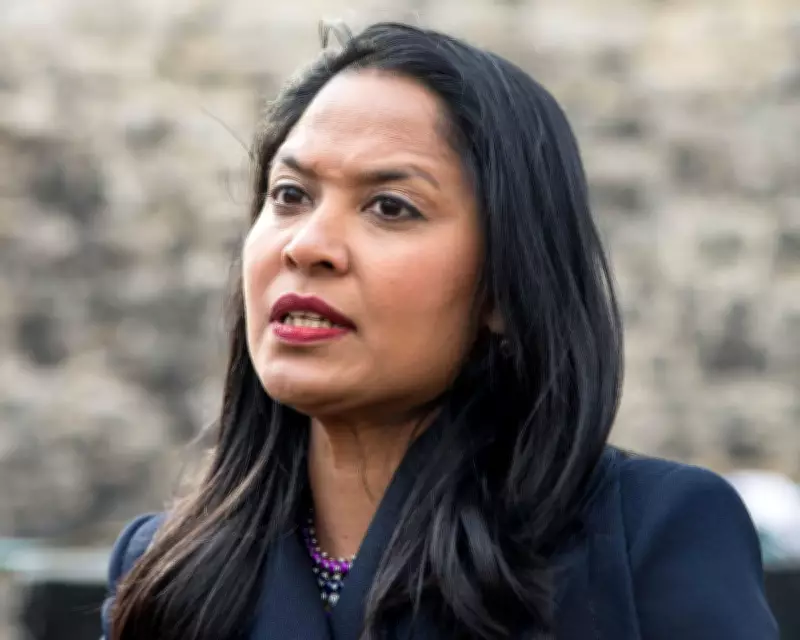
Former Labour minister Rushanara Ali has joined a growing chorus of experts and senior MPs demanding a prohibition on political donations made through cryptocurrency, citing escalating concerns over foreign meddling in British elections.
Call for Legislative Action
Ali, the Labour MP who previously assisted in drafting the elections bill during her tenure as a minister in the communities department, is urging the government to fortify the legislation with an explicit ban on digital currency contributions. She plans to intervene when the bill is revisited by MPs on Monday, as ministers acknowledge the necessity for more robust measures to counter foreign interference through various channels.
"The enemies of democracy are constantly looking at new ways to undermine our system," Ali stated. "I urge ministers to go further to block the use of cryptocurrencies to funnel money into British politics. Unless action is taken now, the threat of foreign interference in our democracy will grow. The government must include an amendment to this bill to close this loophole."

Cryptocurrency Risks and Global Precedents
In her address to the Commons on Monday, Ali will highlight that cryptocurrency offers multiple avenues to circumvent donation regulations. These include employing multiple crypto wallets with distinct addresses, fragmenting large donations into smaller amounts via crowdfunding to evade reporting thresholds, and leveraging privacy coins for anonymity.
She will reference international examples, noting that Ireland, Brazil, and several U.S. states have already implemented bans on cryptocurrency donations. Cryptocurrency, as a digital monetary form, enables senders to conceal their identities, raising alarms that foreign entities could exploit it to bypass UK rules prohibiting donations from abroad.
Background and Broader Concerns
Ali resigned from government last year following revelations that she evicted four tenants from a property she owns and re-let it weeks later for an additional £700 per month. Since then, apprehension over foreign interference in UK politics has intensified, underscored by the conviction of Nathan Gill, the former Reform UK leader in Wales, who received a prison sentence exceeding 10 years after admitting to accepting bribes for pro-Russia interviews and speeches.
Reform UK made history as the first UK political party to accept cryptocurrency contributions last year, establishing its own crypto portal for donations and asserting that these would undergo "enhanced" checks. In January, seven Labour MPs chairing parliamentary committees, including those overseeing foreign, defence, and international security matters, collectively urged the government to ban crypto donations.
External Reviews and Government Response
Philip Rycroft, a former senior civil servant, is leading an independent review into the government's policies on illicit foreign money in British politics. However, this review was not completed in time for its findings to be incorporated into the current elections bill.
Campaign group Spotlight on Corruption has warned that hostile states, such as Russia, are utilizing cryptocurrency to destabilize democracies globally. Government sources indicate that ministers are also exploring additional measures to prevent foreign nations from using social media to disseminate misinformation and disinformation. These could involve mandating platforms to slow down algorithms when false claims gain viral traction, potentially to be included in the elections bill later or in subsequent legislation following a government consultation on banning social media for under-16s, due for publication next week.
A spokesperson for the communities department affirmed: "Through our representation of the people [elections] bill we are fighting against the risk of foreign interference by strengthening rules around political donations. We have also commissioned an independent review, led by former permanent secretary Philip Rycroft, to explore how we can go even further to toughen up the safeguards in place against illicit money from abroad – including cryptocurrencies."