Business Leaders Launch Scathing Attack on Chancellor Over Fuel Tax Profits
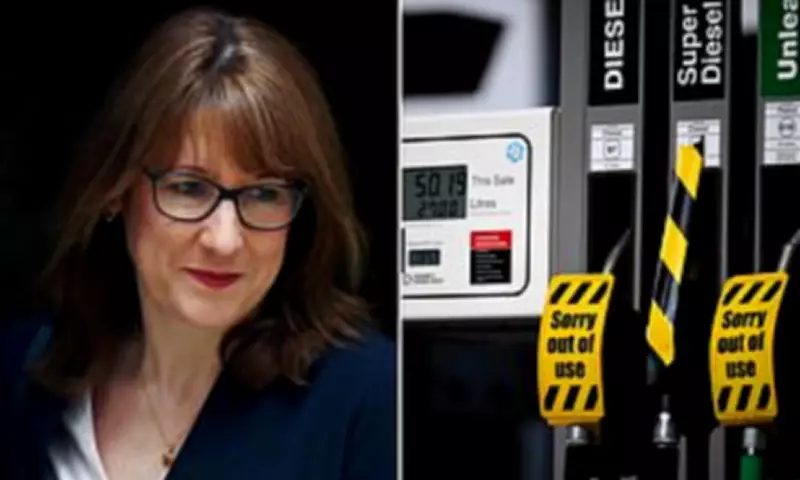
Chancellor Rachel Reeves has been accused of profiteering from escalating fuel prices during a heated confrontation with petrol industry executives. The controversy erupted as prominent business figures joined forces with Kemi Badenoch to condemn the Chancellor, alleging she is benefiting significantly from heightened tax revenues generated by soaring pump prices.
Industry Titans Condemn Government Revenue Gains
Lord Wolfson, the chief executive of Next, issued a stark warning that the Government must avoid capitalising on the Middle East crisis. He emphasised that a fundamental expectation from all industries is that authorities should not generate unexpected windfalls from such situations. Meanwhile, Stuart Machin, the head of Marks & Spencer, attributed rising business energy costs directly to Labour's environmental levies, which he described as unsustainable and disconnected from actual oil and gas prices.
The barrage of criticism directed at Ms Reeves coincides with escalating tensions between petrol forecourt operators and Downing Street. Both Prime Minister Keir Starmer and the Chancellor have repeatedly insinuated that retailers are exploiting the Iran conflict for financial gain. However, business representatives counter that the Government is the primary beneficiary, as increased VAT and fixed fuel duty rates automatically yield higher revenues when prices climb.

Fuel Duty Structure Under Scrutiny
Current data reveals that retailers maintain a modest six percent margin per litre of petrol, while the Government collects a fixed duty of 52.95 pence per litre plus 20 percent VAT. This taxation framework means Treasury receipts expand proportionally with price hikes. Since the outbreak of hostilities, petrol prices have surged by approximately 15 pence per litre and diesel by 30 pence, imposing an additional £300 million burden on UK motorists according to recent analysis.
Amid the ongoing cost-of-living pressures, there have been mounting calls to abandon scheduled fuel duty increases, including a 5p rise planned through incremental steps in September, December, and March 2027. Kemi Badenoch amplified these demands during a symbolic appearance in a Fuel Britannia-branded tanker, urging Labour to apologise for allegations of price gouging against petrol firms that lack substantial evidence.
Political Pressure Intensifies
Reform Party treasury spokesman Robert Jenrick escalated the pressure on Ms Reeves, advocating for a temporary halving of VAT on petrol for three months to alleviate the financial strain on consumers. He argued that the Chancellor should mitigate the impact of war-driven price increases instead of accruing tens of millions in weekly extra tax revenue.
Stuart Machin further criticised Labour's taxation policies, highlighting that green levies now constitute over half of M&S's energy expenses. He condemned these charges as unsustainable and accused the Government of imposing job taxes that disadvantage younger generations. Despite ministerial assurances that driving habits need not change and that rationing is not anticipated, former BP executive Nick Butler warned of potential oil and gas shortages within two to three weeks, underscored by a Tesco Superstore in Worcester experiencing petrol stock depletion.
A Treasury source defended the Government's stance, asserting that measures were implemented to prevent corporate exploitation of the crisis, with commitments to intervene if necessary, emphasising Labour's alignment with working people's interests.