

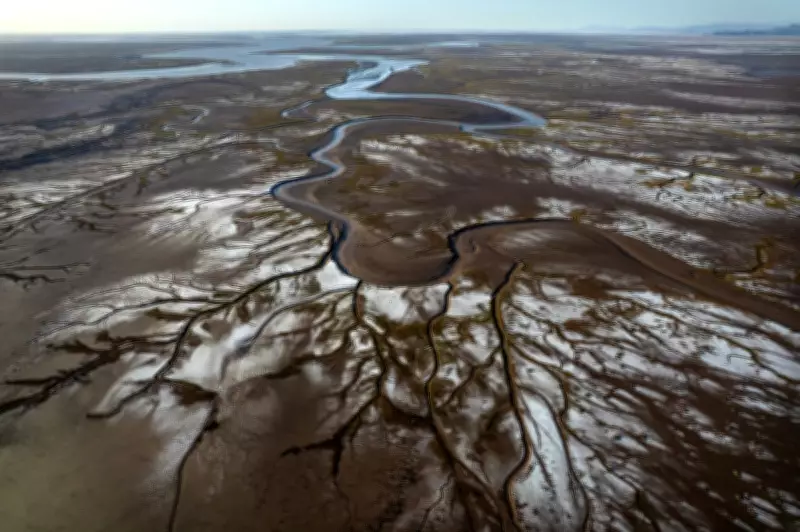
California, Arizona and Nevada have proposed voluntary water-saving measures for the next three years aimed at buying time while negotiations remain deadlocked over the future of shrinking reservoirs filled by the Colorado River.
Proposal Details
The lower basin states' plan would save 3.2 million acre-feet of water through voluntary cutbacks through 2028. It also envisions saving an additional 700,000 acre-feet via conservation measures and infrastructure improvement, along with creating a conservation pool to ensure the federal government meets its trust obligations to tribes in Arizona.
JB Hamby, chair of California's Colorado River Board, stated: "With this proposal, the Lower Basin is putting forth real action to stabilize water supply along the Colorado River. We're putting forward additional measurable water contributions for the system. Without that, the system will continue to decline."

Background
The Colorado River provides water to some 40 million people in the American west. However, the two massive reservoirs filled by the river, Lake Mead and Lake Powell, both stand at historically low levels after consistent overdrawing coupled with reduced snowpack and warming from climate change.
The seven states with legal rights to water from the Colorado River have so far failed to agree on how to spread the pain of lost access to the dwindling resource. The northern basin states of New Mexico, Utah, Colorado and Wyoming have tried to push most of the burden onto the southern basin states, arguing they draw the most water. The southern basin states counter that all states should share responsibility.
Next Steps
The proposed plan still requires approval from the states' water agencies and the Arizona legislature, as well as cooperation from the federal government. The states said the plan is "structured as a unified package" that should be implemented or rejected in full.
Pressure on water from the Colorado River is expected to grow after several western states saw record-breaking heat this winter. As of 1 April, snowpack in the upper Colorado River basin stood at 23% of the historical median. Dozens of tribes also have water rights, though many remain unquantified and difficult to access.






