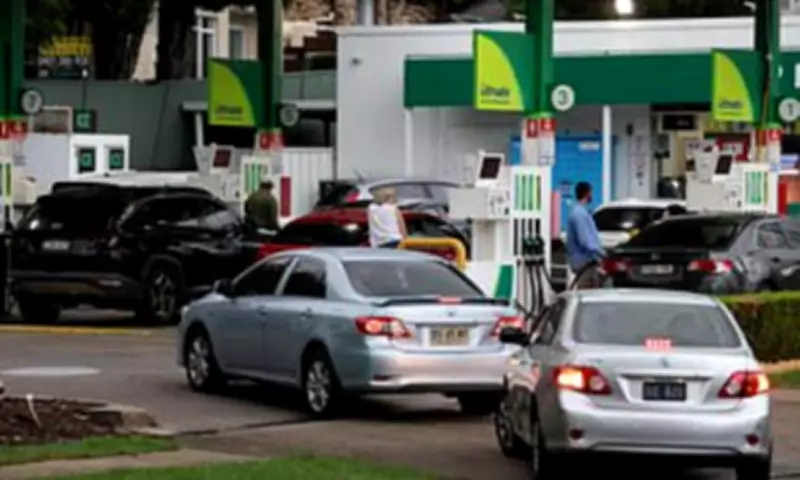
Panic-buying at petrol stations across Australia is being driven by a distinct set of forces compared to those during the COVID-19 pandemic, according to an expert analysis. Long queues have emerged at service stations as conflict in the Middle East triggers a surge in fuel prices and raises alarms about supply, but an economist explains that the motivations behind this behaviour have fundamentally shifted.
Understanding the Shift in Panic-Buying Behaviour
Tim Neal, an economist who has extensively researched panic-buying at scale, stated that the behaviour during the pandemic was primarily fuelled by future supply concerns stemming from lockdown disruptions. 'With fuel prices, there are supply concerns especially when it comes to diesel,' Dr Neal said. 'But what initially started the panic-buying was a price motive. People are stocking up because you expect future price increases.'
Current Fuel Shortages and Government Response
More than 500 service stations were without some type of fuel on Thursday, although more petrol and diesel was flowing to regional areas, Energy Minister Chris Bowen informed parliament. 'There are real shortages, particularly in regional areas, that need to be addressed,' he emphasised. Oil prices have skyrocketed since the United States and Israel launched attacks on Iran in late February, leading to long queues nationwide as consumers stock up before further price hikes.

Iran has retaliated by attacking regional energy infrastructure and effectively closing the Strait of Hormuz, compelling countries to respond to global fuel supply shortages. National cabinet is scheduled to meet on Monday to discuss the ongoing fuel crisis. Dr Neal warned that sudden spikes in demand could rapidly outstrip supply, resulting in temporary outages. However, he noted it is too early to determine whether shortages are driven more by supply disruptions or surging demand, with both factors likely contributing.
The Self-Reinforcing Nature of Panic-Buying
Efforts to curb panic-buying are often limited once it begins, Dr Neal explained, because the behaviour becomes self-reinforcing. 'All you need for panic-buying to be rational is to believe that other people are going to be panicking,' he stated. This psychological dynamic complicates interventions aimed at stabilising the market.
Government Measures to Protect Consumers
In response, tougher penalties for price gouging were passed by parliament on Thursday afternoon. Legislation doubling the maximum fine for false and misleading conduct or cartel behaviour to $100 million was approved by the Senate to deter petrol companies from profiting from the shortages. Treasurer Jim Chalmers commented, 'We're not immune from uncertainty and volatility in the global economy, but this action is all about protecting consumers and holding petrol suppliers and retailers to account.'
Potential Demand-Reduction Strategies
Energy Minister Chris Bowen has left the door open to additional measures aimed at reducing fuel demand. These could include encouraging people to work from home and increasing the levels of ethanol in petrol. Such strategies are part of a broader effort to mitigate the impact of the crisis on everyday Australians.
As the situation evolves, experts continue to monitor the interplay between global events, consumer behaviour, and government policy, highlighting the complex challenges in managing fuel security during times of international tension.