

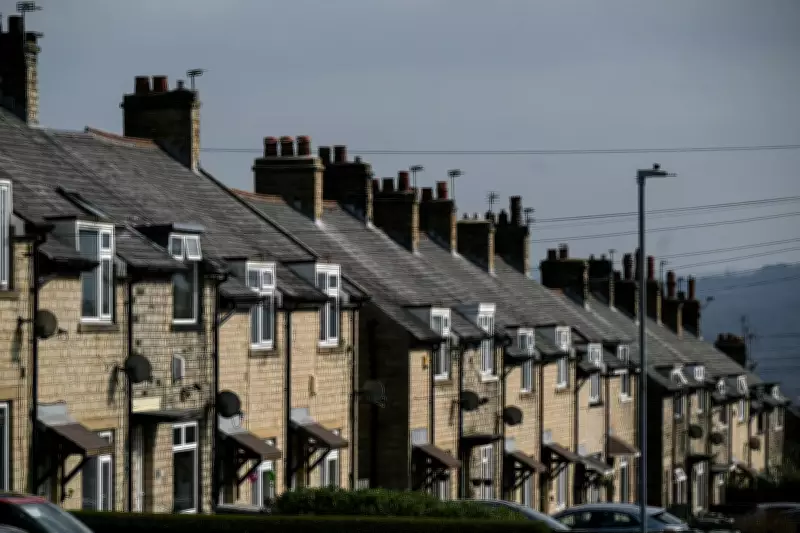
UK households are facing a significant financial squeeze as the ripple effects of the US and Israel's invasion of Iran on 28 February continue to drive up costs across energy, fuel, food, and housing. Chancellor Rachel Reeves has announced a cost of living support package, including a summer VAT cut and suspended food tariffs, but families are still grappling with steep increases.
Energy Bills Set to Soar
Energy bills are set to rise by more than £221 a year from July, pushing the typical household cost to £1,862. This 13 per cent hike in Ofgem's price cap is the largest since 2023 and is directly linked to global energy market instability caused by the conflict. The invasion has disrupted oil and gas supplies, sending wholesale prices upward.
Petrol Prices Hit New Highs
Motorists are paying significantly more at the pump, with petrol prices reaching their highest level since the conflict began. A 55-litre tank now costs an extra £14.63, a 20 per cent increase. This rise reflects the surge in crude oil prices amid geopolitical tensions in the Middle East.

Food Costs on the Rise
Grocery bills are projected to increase by up to 10 per cent across 2026, adding an estimated £588 to a typical annual household shopping bill. The conflict has disrupted supply chains, particularly for grains and fertilizers, driving up import costs. The government's suspension of food tariffs aims to mitigate this, but prices remain elevated.
Mortgage Rates Climbing
The financial strain extends to housing, with mortgage rates climbing since the invasion. The average two-year residential fix has risen by 0.89 percentage points to 5.73 per cent, potentially increasing annual repayments by over £821 for an average mortgage. This adds to the burden on homeowners already facing higher living costs.
Overall, UK households are paying the price of the Iran war through a combination of higher energy bills, petrol prices, food costs, and mortgage rates, with the total annual increase estimated at over £1,600. The government's support package provides some relief, but the underlying pressures remain as the conflict continues.






