

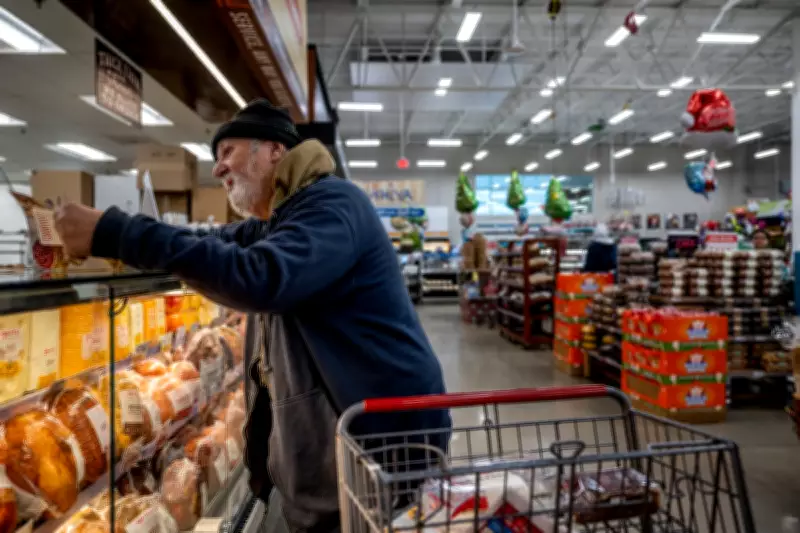
A new study by the Federal Reserve Bank of New York has revealed that food insecurity in the United States is now worse than at the height of the COVID-19 pandemic six years ago. The report shows that 10% of families are missing meals due to a lack of food, a sharp increase from 4% in 2020. Among lower-income households, nearly 20% are skipping meals as the cost of living continues to rise.
Key Factors Driving the Crisis
High gas prices, partly driven by the ongoing war with Iran, and broader inflationary pressures are forcing Americans to cut back on grocery spending. The study highlights a K-shaped economy, where lower-income households face significantly greater financial hardship compared to wealthier families.
Growing Reliance on Food Banks and SNAP
Food bank operators across the country report surging demand, with some seeing long lines and people sleeping in cars at food distributions. The survey also notes a substantial increase in reliance on the Supplemental Nutrition Assistance Program (SNAP), as more families struggle to afford basic necessities.

One poignant example is a 76-year-old veteran in Texas who has been forced to work for DoorDash to afford healthcare for his family, illustrating the broader impact of the affordability crisis on vulnerable populations.






