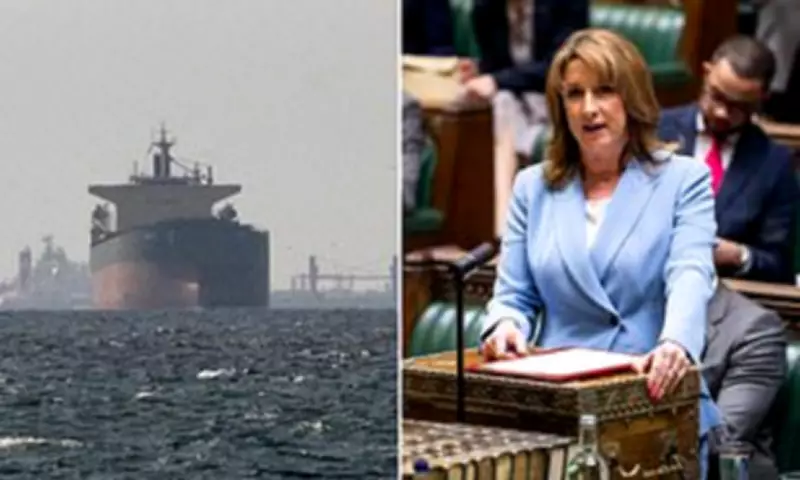
The continued closure of the Strait of Hormuz could have severe economic consequences for Britain, potentially forcing the Labour government to implement public spending cuts, according to economist David Lubin. Speaking on the Daily Mail's Deep Dive podcast, Lubin, a senior research fellow at Chatham House and former head of emerging markets at Citi, argued that wealthy economies have so far been insulated from the fallout of the Iran conflict by drawing down stockpiles, using alternative pipeline routes, and a global economy that is less oil-dependent than during the 1970s energy crisis.
Stagflation Threat Looms
Lubin warned that if US President Donald Trump fails to secure a deal with Iran soon, the world could experience a severe bout of stagflation, where inflation rises while economic growth stagnates. He described Britain's economy as being in a 'really unhealthy' state, with persistent inflation and decades of weak growth. The economist noted that further tax increases could lead to a 'catastrophic decline in economic activity', leaving the government with little choice but to cut spending, a politically challenging shift for Labour.
Impact on British Households
Pressure from the Iran war has already hit British households, with energy regulator Ofgem announcing a 13 per cent rise in bills from July, adding £221 a year to a typical home. Lubin predicted that the consequences for Britain will be 'not pleasant at all', as structural weaknesses in the economy are compounded by a political backdrop that is denting investor confidence.

Potential for Fuel Rationing
More broadly, Lubin warned that if the crisis deepens, governments could be forced to consider fuel rationing. Even in a best-case scenario, he said it was 'easily imaginable' that employers might ask staff to work from home to conserve energy, alongside guidance to turn down thermostats and limit air conditioning. He explained that even if a peace deal were announced tomorrow, it would take time for oil production to return to pre-war levels, as oil wells in Iraq and Kuwait have been shut down and mines remain in the Strait, making insurers reluctant to cover ships.
Lubin concluded that oil prices will remain elevated for some time, even in the best case, as reserves that have been drawn down need to be replenished, creating additional demand.