

Texas barbecue restaurants are fighting for survival as soaring beef prices push some of the state's most beloved smokehouses to the brink.
Across Texas, pitmasters say the cost of brisket, the crown jewel of Texas barbecue, has risen so sharply that many restaurants can no longer make ends meet, even after raising menu prices.
Alarming Cost Increases
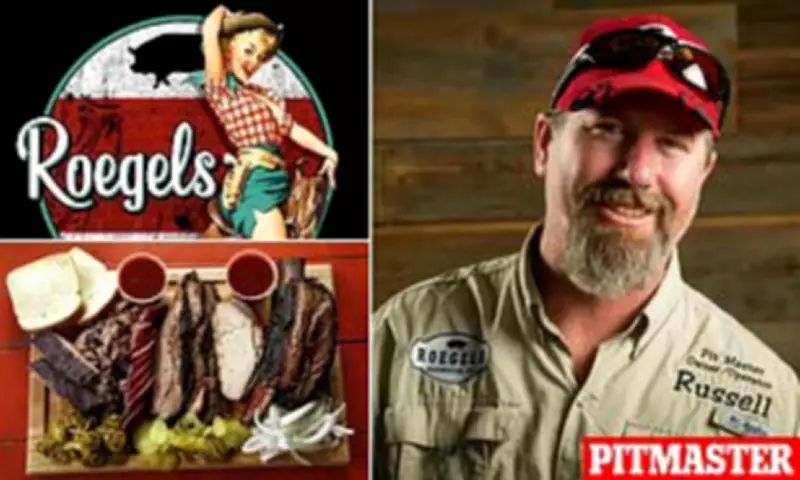
'If the Texas barbecue industry had an alarm, it would be the spreadsheet that tracks brisket prices,' said Russell Roegels, owner of Roegels Barbecue Co. in Houston. He reports that wholesale brisket costs at his restaurants have jumped 28 percent over the past year. Roegels now pays $5.56 per pound for brisket, forcing him to increase the menu price of his signature smoked beef to $35 per pound, a move he once hoped to avoid.

'This is as bad as it gets,' Roegels told The Washington Post. 'Everybody's at risk these days. You're one bad week from closing.'
Closures Mount
The pressure is already taking a toll on Texas's iconic barbecue scene. Several popular barbecue spots have recently shuttered, including Brett's BBQ Shop, Kirby's BBQ, Sabar BBQ and Wright On Taco & BBQ. Restaurant owners and industry experts warn more closures are likely this summer as inflation, labor costs, drought conditions and the shrinking US cattle herd continue driving up prices.
Underlying Causes
Experts say inflation is only part of the problem. Years of drought across cattle-producing states have reduced the US cattle herd to its smallest size in decades, while ranchers continue facing higher feed, fuel, and land costs. Meatpacking companies have also come under scrutiny for pricing practices that critics say are squeezing both ranchers and restaurants.
Emily Williams Knight, president and CEO of the Texas Restaurant Association, said Texas is now dealing with the smallest national cattle herd in 75 years. 'This is much bigger than just a business closing,' she said. 'We are going to lose some of these special, culturally significant restaurants.'
Cultural Significance at Risk
Texas barbecue has become a globally recognized food culture, celebrated for its regional styles ranging from East Texas's saucy chopped beef sandwiches to Central Texas's pepper-crusted brisket and South Texas 'Mexicue.' Some barbecue joints have even earned Michelin recognition in recent years, with la Barbecue in Austin and CorkScrew BBQ in Spring both boasting one star distinctions.
But industry insiders fear those distinct regional traditions could disappear as restaurants either shut down or simplify their menus to survive.
Rising Menu Prices
Daniel Vaughn, barbecue editor at Texas Monthly, said many restaurants kept brisket prices artificially low for years, absorbing rising costs to avoid alienating customers. 'You can't really hide that price anymore,' Vaughn said. 'Forty dollars for a pound of brisket is now not a crazy number to see on a menu.'
Even highly acclaimed barbecue restaurants are struggling. Burnt Bean Co., widely considered one of the best barbecue restaurants in Texas, has already raised brisket prices to $38 per pound. Owner Ernest Servantes said he may soon limit brisket sales to one day a week to keep the business afloat. 'Just because we're making a lot of brisket doesn't mean we're making a lot of money,' Servantes said. 'People say "brisket" and I cringe.'
Challenges for Smaller Operators
Smaller operators and newer pitmasters are facing even steeper challenges. Marc Fadel, the 19-year-old owner of Habibi Barbecue, said brisket prices at his supplier have nearly doubled in just two years, rising from around $3 per pound to nearly $6. 'If you don't have a good connection to a ranch, it's really hard,' Fadel said.
Coping Strategies
Some barbecue restaurants are trying to offset costs by selling more pork, sausage, burgers, or catering packages. Others are experimenting with alternative beef cuts like beef cheek instead of brisket. Still, in a state where barbecue culture is deeply tied to beef, many customers refuse to compromise. 'I've had people come and they say, "You don't have brisket?" and they leave,' Fadel said.

Despite the financial strain, pitmasters insist Texans aren't giving up barbecue anytime soon, even if it becomes an occasional luxury rather than a weekly tradition. 'They may not buy it as often,' Roegels said of his customers, 'but they're still going to come get it.'





