

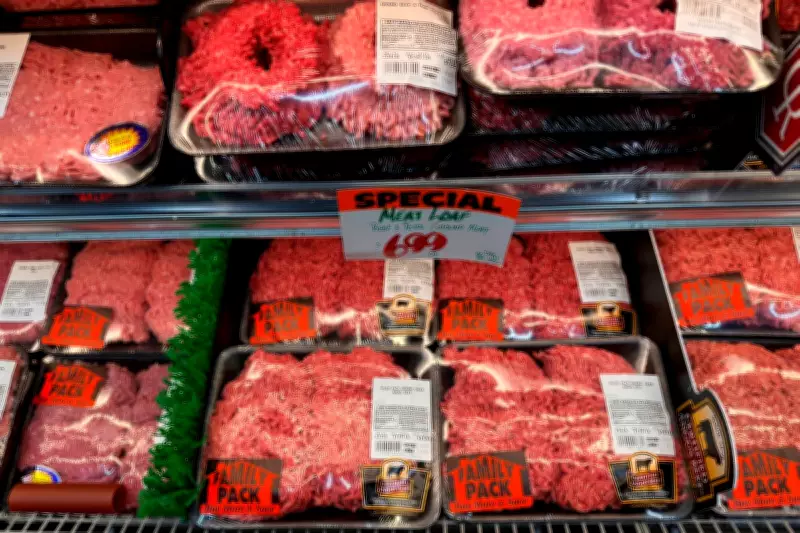
In a Truth Social post on Wednesday, President Donald Trump proclaimed “TRUMP’S MAKING FOOD AFFORDABLE,” citing falling prices for avocados, fresh berries, and pantry staples. Yet just two weeks earlier, the Labor Department reported grocery prices rose nearly 3% in April from a year earlier.
Selective Data
The graphic shared by Trump may be accurate for specific items, but the data source is unclear. He cited Circana, a private firm, as published by the USDA, but neither agency confirmed the figures. The White House did not respond to requests for comment.
Trump listed nine items: avocados down 19%, cheese down 5.6%, fresh berries and butter down 13%, olive oil down 16%, chicken breasts down 2.4%, and eggs down 90%. Government data shows cheese down 3.1%, eggs down 39% from a year ago (60% from peak), and chicken breast prices actually up from $3.97 to $4.17 per pound since inauguration.

Broader Trends
Overall grocery prices rose 2.9% in April, the largest monthly gain in 2.5 years. This is above the pre-pandemic average of 1.1% annual growth. Many items have dropped for reasons unrelated to policy: egg prices fell due to flock recovery and egg imports; olive oil recovered after a drought ended.
However, many costs are rising. Trump’s tariffs on imports, including a 17% duty on Mexican tomatoes, have pushed tomato prices up 40% year-over-year. Beef prices are up 15% due to Western drought. Coffee rose 18.5% due to global production issues. Higher diesel fuel costs are increasing shipping expenses across the board.
Economic Impact
Consumer confidence surveys show Americans remain concerned about high prices, despite low unemployment and modest growth. Polls indicate disapproval of Trump’s economic policies, with affordability becoming a key issue ahead of midterm elections.
Economists expect food prices to continue rising as tariffs and energy costs feed through the supply chain. The April increase in grocery prices was the largest in 2.5 years, and while still below pandemic-era spikes, it marks a reversal from earlier declines.






