

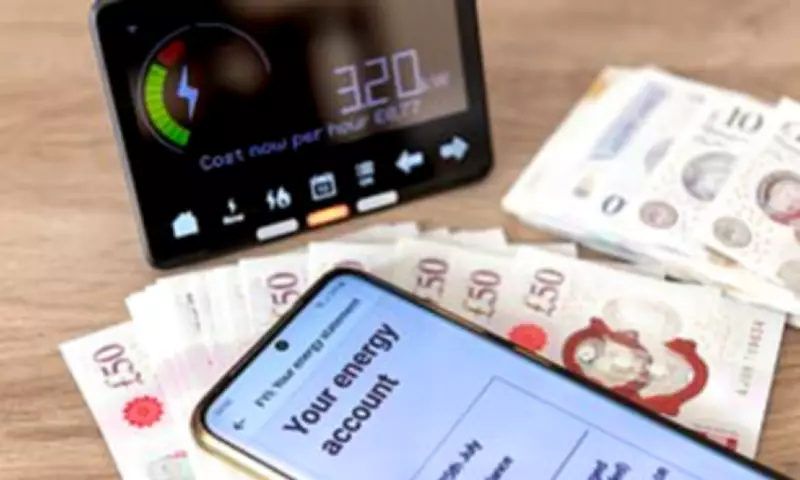
Energy bills will increase by 13 per cent for UK households after Donald Trump's war in Iran sent wholesale costs skyrocketing. The energy price cap governs the price of energy for the two thirds of Britons who are not on fixed-term contracts. Further price hikes are likely to come when the cap is reviewed again in October, as temperatures drop and the demand for energy rises.
The price cap sets a maximum price per unit of gas and electricity used, meaning households only pay for the amount of energy they consume. This means households will be largely shielded over the warm summer months, but concerns are growing about further price hikes this winter. Calls have been mounting for the Government to set out action to support the most vulnerable. However, Chancellor Rachel Reeves stopped short of any immediate energy measures in her cost-of-living plan.
This is in contrast to the universal support provided by the previous Tory government in 2022, when Russia's invasion of Ukraine caused energy bills to soar. Ms Reeves told MPs last week: 'We stand ready to act if market conditions worsen significantly later this year and I have been leading cross-Government contingency work on design of potential future targeted and temporary support for businesses.'

Energy costs have been sent rocketing higher by Iran's move to block the crucial Strait of Hormuz shipping route, through which a fifth of the world's oil and gas is carried. Households have yet to feel the impact, as the price cap is reviewed on a quarterly basis, and April saw a 7 per cent drop due to Government measures to reduce bills. This included moving 75 per cent of the cost of the UK's renewables obligation from household bills on to general taxation, and scrapping the energy company obligation scheme.
Campaigners have warned over an 'extremely difficult winter' ahead for the most vulnerable without extra support on bills. Simon Francis, co-ordinator of the End Fuel Poverty Coalition, said: 'Households need reassurance and support, not a summer of suspense. That means the Government must act before winter to spell out what support will be available.'
The Government has insisted that 'tackling the affordability crisis is our number one priority'. Its package of support measures so far includes a cut in the rate of VAT on attraction tickets over the summer holidays, free bus travel for children in England during August, extending the 5p-per-litre fuel duty reduction and lowering import tariffs on more than 100 types of food products. But the lack of further action on energy bills is seen as holding back spending by cash-strapped consumers.
Economist Martin Beck, at WPI Strategy, said recent official figures showing lower retail sales in April was already a sign that 'energy pressures are biting'. 'Higher petrol prices, the prospect of an increase in household energy bills in July and weakening consumer sentiment all point to a more cautious spending backdrop,' he said.
Senior Tory MP Claire Coutinho, the shadow energy secretary, previously said: 'It is unforgivable that Labour are continuing with Ed Miliband's mad plan to shut down our own energy supplies in the middle of an energy crisis. Shutting down the North Sea means we are losing out on £25billion in tax receipts that we could use to cut bills and reduce the cost of living. The Government must adopt the Conservatives' Cheap Power Plan to cut bills by £200 immediately by taking VAT, taxes and levies off energy bills without costing taxpayers a penny. We would cut bills for everyone rather than taxing working people to fund yet another bailout for people on benefits.'






