The United Kingdom's inflation rate unexpectedly climbed to 3.2% in April, marking the first increase in six months, as the ongoing conflict in Iran pushed up energy prices and disrupted global supply chains. The rise from 3.1% in March caught many economists off guard, who had predicted a decline to 2.9%.
Energy and Food Prices Drive Increase
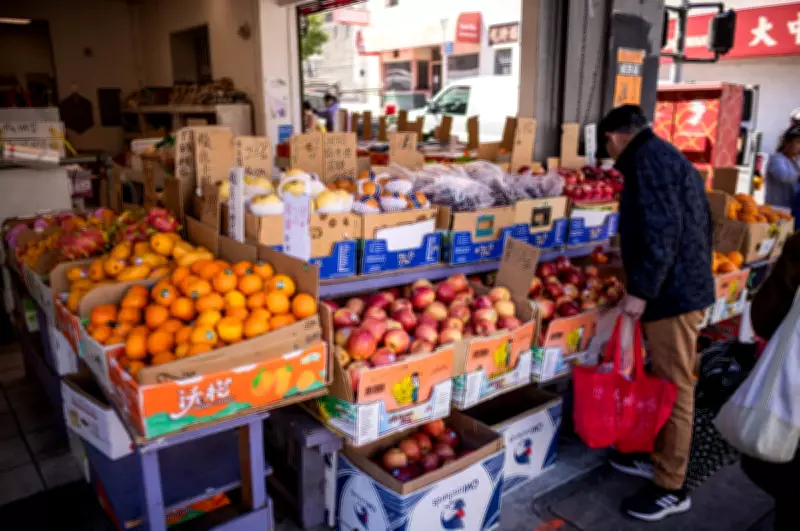
The Office for National Statistics reported that the largest upward contributions came from housing and household services, particularly electricity and gas, as well as food and non-alcoholic beverages. The annual rate for food inflation edged up to 4.5% from 4.3% in March, adding to household budget pressures.
Core inflation, which excludes volatile items like energy and food, also rose to 4.1% from 3.9%, indicating that underlying price pressures remain stubbornly high. This has complicated the Bank of England's task as it considers future interest rate decisions.

Impact of Iran Conflict
The escalation of the Iran war has sent shockwaves through global energy markets, with oil prices surging by nearly 20% since the start of the conflict. This has directly impacted UK petrol prices, which rose by 5p per litre in April, and increased costs for businesses reliant on energy-intensive production.
Supply chain disruptions have also contributed to higher import costs, particularly for manufactured goods and raw materials. The British Chambers of Commerce warned that many firms are facing "significant cost pressures" and may be forced to pass these on to consumers.
Bank of England Under Pressure
The inflation data complicates the Bank of England's monetary policy outlook. While the Bank had been expected to cut interest rates later this year, the renewed inflationary pressures may delay any easing. Markets are now pricing in a lower probability of a rate cut at the next meeting in June.
Governor Andrew Bailey stated that the Bank remains vigilant and is prepared to act if necessary to bring inflation back to the 2% target. However, he acknowledged the uncertainty posed by geopolitical events.
Consumer and Business Sentiment
Consumer confidence dipped slightly in May, according to a survey by GfK, as households grapple with rising living costs. The British Retail Consortium reported that retail sales volumes fell in April as shoppers cut back on discretionary spending.
Small businesses are particularly vulnerable, with many reporting higher operating costs and reduced margins. The Federation of Small Businesses called for government support to help firms weather the storm.
Outlook
Economists expect inflation to remain elevated in the coming months, potentially peaking near 4% if the Iran conflict escalates further. The Bank of England's next monetary policy report, due in August, will provide updated forecasts.
The government has faced criticism for not doing enough to shield households from price rises. Chancellor Rachel Reeves defended the government's record, citing targeted support for the most vulnerable, but acknowledged the challenges posed by global events.