Government Contingency Plans for Iran War Food Shortages Aim to Reassure Public
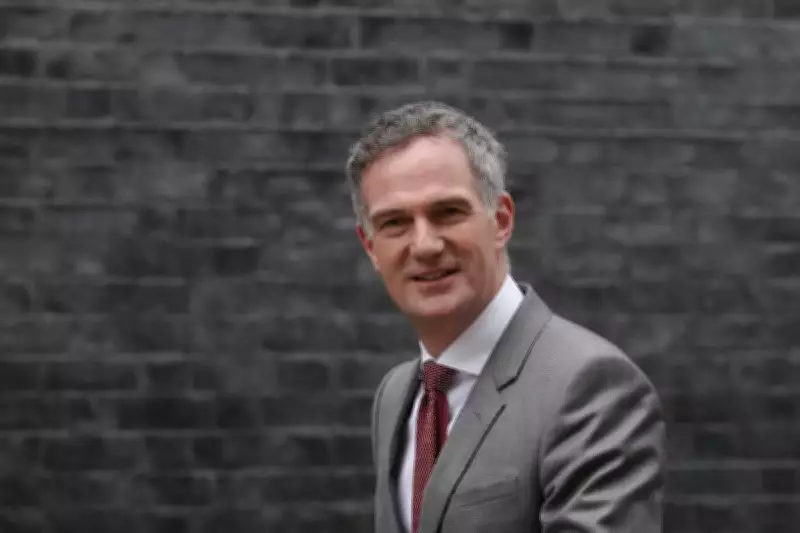
Business and Trade Secretary Peter Kyle has stated that the public should feel "reassured" by government contingency planning for potential impacts of the Iran war, including food shortages. This follows a leak of government documents suggesting a reasonable worst-case scenario could reduce variety on supermarket shelves if hostilities persist.
Leaked Scenarios Outline Potential Supply Chain Disruptions
According to reports in the Times newspaper, leaked government plans indicate that while critical shortages are unlikely, prolonged conflict could lead to diminished product variety in UK supermarkets. The documents also highlight concerns about carbon dioxide (CO2) supplies should the war extend into summer months.
CO2 shortages would significantly affect multiple industries, including packaged meat and salad storage, brewery operations for carbonated beverages, and critical applications like MRI scanning, water purification, and nuclear industry processes.

Government and Retail Response to Supply Concerns
Peter Kyle addressed the leaks during media appearances, emphasizing that such scenario planning demonstrates governmental preparedness. "When people do read it, they need to be reassured that we are doing this kind of planning," Kyle told Times Radio, contrasting current efforts with what he described as inadequate preparation during the COVID-19 pandemic.
The Business Secretary detailed proactive measures, including reactivating the Ensus bioethanol plant in Teesside to bolster CO2 production. He insisted current CO2 supplies are "not a concern" for the UK but pledged transparency should circumstances change.
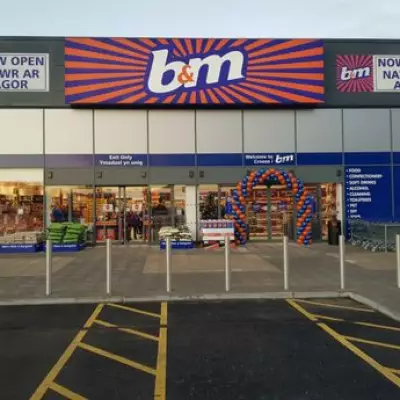
Tesco Chief Executive Ken Murphy confirmed the supermarket chain maintains "constant contact" with government officials regarding contingency planning. "We are in very strong shape," Murphy stated. "At this time, we haven't seen any issues and none of our suppliers have raised any concerns."
Broader Economic Measures Amid Conflict Fallout
Meanwhile, Chancellor Rachel Reeves has expanded initiatives to support UK manufacturing affected by economic turbulence from the Iran conflict. The British Industrial Competitiveness Scheme (BICS) will now extend electricity bill reductions to 10,000 businesses, up from 7,000, providing savings up to £40 per megawatt-hour from 2027.
During International Monetary Fund meetings in Washington DC, Reeves criticized US-Israeli military actions in Iran, calling the war a "mistake" that hasn't enhanced global security. Her comments contrasted with US Treasury Secretary Scott Bessent's characterization of the conflict as creating "short-term volatility for long-term gain" in preventing Iranian nuclear development.
A government spokesperson reiterated that reasonable worst-case scenarios represent planning tools rather than predictions, emphasizing their role in expert preparedness strategies. The White House confirmed ongoing discussions about potential US-Iran negotiations, with no formal request yet to extend the ceasefire scheduled to expire next Tuesday.