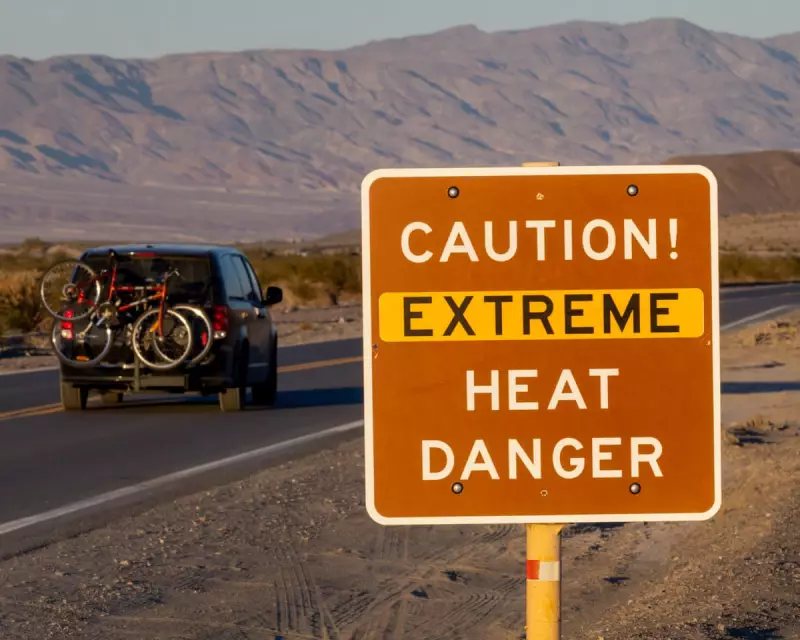
A stark new study has revealed the heavy economic toll the climate crisis is already taking on American households, finding that US incomes would be 12% higher today if not for the effects of human-caused global heating since the start of the millennium.
The Hidden Cost of Rising Temperatures
Published in the prestigious Proceedings of the National Academy of Sciences journal, the research led by economist Derek Lemoine delivers a powerful counter-narrative to political rhetoric dismissing climate action as too expensive. While figures like former President Donald Trump have labelled emissions-cutting policies a "hoax" and criticised renewables as "too costly", the analysis shows that inaction carries a severe and growing financial penalty.
"This study shows that climate change is not just something for the future economy – it is already here," Lemoine told The Guardian. His team used climate models to compare actual daily temperatures with a hypothetical world without anthropogenic warming, then analysed US income data from 1969 to 2019. The results indicate that hotter temperatures have been quietly eroding earning power for over two decades, through small, cumulative losses rather than a single catastrophic event.

How Heat Drains the National Economy
The study did not pinpoint the exact mechanisms, but previous research offers clear explanations. Extreme heat reduces crop yields, increases rates of illness and injury, and limits safe working hours, particularly in outdoor sectors like construction, agriculture, and manufacturing. Crucially, the economic damage is not confined to the hottest regions.
Lemoine emphasised the interconnected nature of the modern economy, where localised temperature shocks create nationwide ripple effects. "In a connected world, the effects of climate change will spill over man-made borders," he said. For example, heatwaves and wildfire smoke in states like California and Arizona can disrupt supply chains, damage infrastructure, and reduce agricultural output, driving up costs and affecting incomes across the country.
Political Crossroads: Deregulation vs. Affordability
This economic evidence emerges as the US political direction on climate appears to shift. The Trump administration has rolled back dozens of environmental regulations and, in a significant move this month, withdrew the US from the UN Framework Convention on Climate Change. Plans are also advancing to scrap a 16-year-old legal finding that empowers the Environmental Protection Agency to limit carbon emissions from vehicles, power plants, and industry.
Meanwhile, activists and some local leaders are explicitly linking climate policy with cost-of-living concerns. In New York City, Mayor Zohran Mamdani is pursuing policies like free bus travel to cut car use and save commuters money. Seattle's Mayor Katie Wilson advocates for green retrofits in social housing to lower energy bills. Stevie O'Hanlon of the Sunrise Movement noted, "People increasingly understand how climate and costs of living are tied together."
The research from Lemoine adds to a growing body of evidence suggesting that an anti-climate agenda threatens not just the environment, but also the financial wellbeing of American families and the stability of the national economy. Whether this economic argument will alter the national political conversation remains a pressing question.