

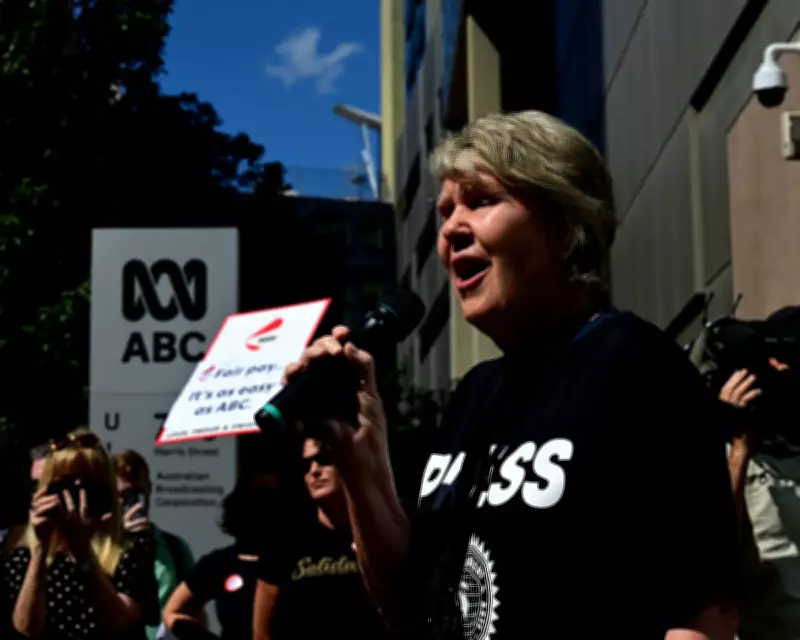
In a historic move, more than 2,000 staff at the Australian Broadcasting Corporation (ABC) walked off the job on Wednesday, marking the first such strike in two decades. The industrial action, centered on demands for sustainable jobs, fair pay, and improved working conditions, left the public broadcaster's programming significantly altered, with BBC broadcasts and soothing music filling the airwaves.
Strike Action Disrupts Normal Programming
As the clock struck 11am AEDT, ABC staff across the country, including at the Ultimo studios in Sydney, joined the 24-hour strike. Journalist Fran Kelly addressed colleagues after walking off the job, highlighting the collective push for better employment terms. The disruption was immediate: the ABC's news channel switched to live feeds from the BBC, while radio networks pivoted to classical music and pop hits like Boy Meets Girl's "Waiting for a Star to Fall."
Radio Hosts Explain the Strike to Listeners
Radio hosts took moments to inform their audiences about the strike. Hilary Harper on Radio National's Critics Corner program stated, "My colleagues and I are on strike," before airing a pre-recorded episode. Melbourne's mornings host, Raf Epstein, emphasized that the action was about securing sustainable and secure work, assuring listeners of his return on Friday. Similarly, Sydney's Hamish Macdonald played a clip from ABC managing director Hugh Marks, who expressed regret over the strike's impact.

Triple J's Pointed Message
Triple J staff made a more pointed statement by signing off with NWA's "Express Yourself," a song historically played 82 times in a row in 1990 to protest ABC censorship. Jack James, a breakfast newsreader at Triple J, noted the difficulty in seeing a future at the organization, reflecting broader concerns among staff about job security and conditions.
BBC and Reruns Fill the Void
For the remainder of Wednesday, ABC's television and radio relied heavily on fill-ins. The news channel aired BBC broadcasts almost exclusively, except for Tim Ayres' speech at the National Press Club, repeats of Planet America, and extended coverage of federal parliament. Radio stations featured re-runs and music, with some local programs broadcast across states by hosts like James Findlay and Spence Denny.
Non-Striking Staff Maintain Services
Not all staff participated in the strike. Former AM presenter Sabra Lane, based in Hobart, chose to work, reading headlines and stating, "I'm here because it's a vital community service." Prerecorded messages periodically apologized for the interruption, with similar notices appearing on ABC's website and TV stations.
Impact on Flagship Programs
Key TV news programs, including the 7pm bulletins and 7.30 with Sarah Ferguson, were replaced by a simulcast of the BBC News channel on Wednesday evening. ABC News Breakfast was also canceled for Thursday morning, underscoring the strike's widespread effect on regular broadcasting.
Staff Perspectives on the Strike
Back at ABC Ultimo, Jack James described the strike as a "day when we can finally all exhale," after months of advocacy for better conditions. He highlighted the hard work of staff that keeps the ABC functioning and the significance of speaking up without fear of consequences.
The strike drew attention from political figures, such as shadow communications minister Sarah Henderson, who was present at Parliament House as staff walked out. This industrial action reflects ongoing tensions in Australian media over job security and fair compensation, with the ABC's reliance on BBC content during the strike illustrating the depth of the disruption.






