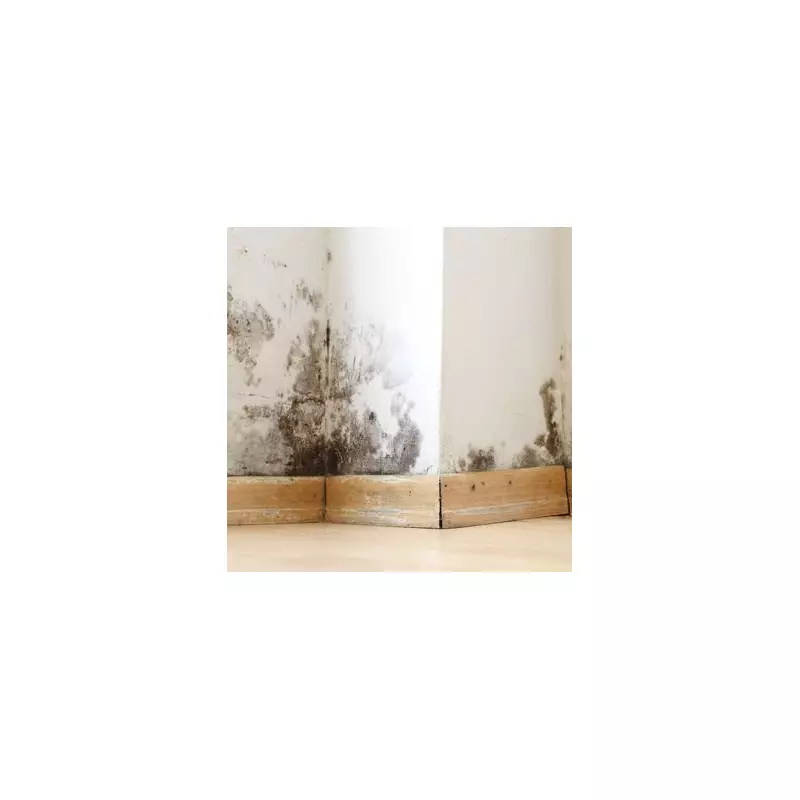
As winter tightens its grip, a familiar and unwelcome problem begins to creep into British homes: the spread of damp and mould. However, a household expert has unveiled a remarkably simple and natural solution that tackles the issue at its root, bypassing the need for aggressive chemical cleaners.
The Winter Condensation Conundrum
With colder temperatures setting in, many residents keep windows firmly shut to preserve warmth, a practice that unfortunately traps moisture inside. This is exacerbated by common activities like drying laundry indoors. The resulting condensation settles on walls and surfaces, creating the perfect damp environment for mould spores to take hold and flourish.
This fungal growth is more than just an eyesore; it can cause significant damage to wallpaper, paintwork, and furniture. More critically, mould poses a serious health hazard, particularly for those with respiratory conditions or weakened immune systems.

A £2 Pantry Staple to the Rescue
Lucy Steele, a specialist from Valspar Paint, advocates for a powerful yet natural remedy that most people already have in their kitchen cupboard: white vinegar. Costing as little as £2, this common item is a potent weapon against mould infestations.
"How you fix the damp depends on the cause of the problem," Steele advised. "If you suspect issues with your exterior wall, roof, or rising damp, call a specialist. However, for mould on porous surfaces that you can tackle yourself, try using white vinegar. This is especially useful if the damp has extended below the surface."
The secret lies in the vinegar's acetic acid content, which possesses strong antifungal properties. This acid penetrates porous materials to kill mould and mildew at the root, preventing regrowth. Mould thrives in alkaline conditions, so the acidity of the vinegar creates an inhospitable environment. Furthermore, as white vinegar evaporates quickly, it helps reduce overall moisture in the area.
Step-by-Step: How to Apply the White Vinegar Method
Applying this natural solution is straightforward. First, pour undiluted white vinegar into a spray bottle and generously apply it to the affected area. For the best results, allow the vinegar to sit for at least 15 minutes, though an hour is ideal to give it ample time to destroy the spores.
After the waiting period, put on a mask and gloves for protection. Use a brush to scrub away the now-loosened mould, which should come off easily. Finally, rinse the wall with clean water and dry it thoroughly with a cloth to remove all residual moisture.
Preventing Mould's Return
Eradicating existing mould is only half the battle. Lucy Steele emphasises that prevention is key to keeping your home mould-free. The core strategy revolves around managing ventilation and moisture.
"Repairing leaks and managing your home's ventilation to eliminate condensation, for example on windows, is crucial to stopping black mould from growing," she explained. "Keep problem areas like bathrooms, kitchens, and laundry rooms heated, as this disrupts the ideal temperature and moisture range mould needs to thrive."
Regularly checking known damp spots and ensuring rooms are well-aired, even during colder months, can make a significant difference in maintaining a healthier, mould-resistant home throughout the winter season and beyond.