

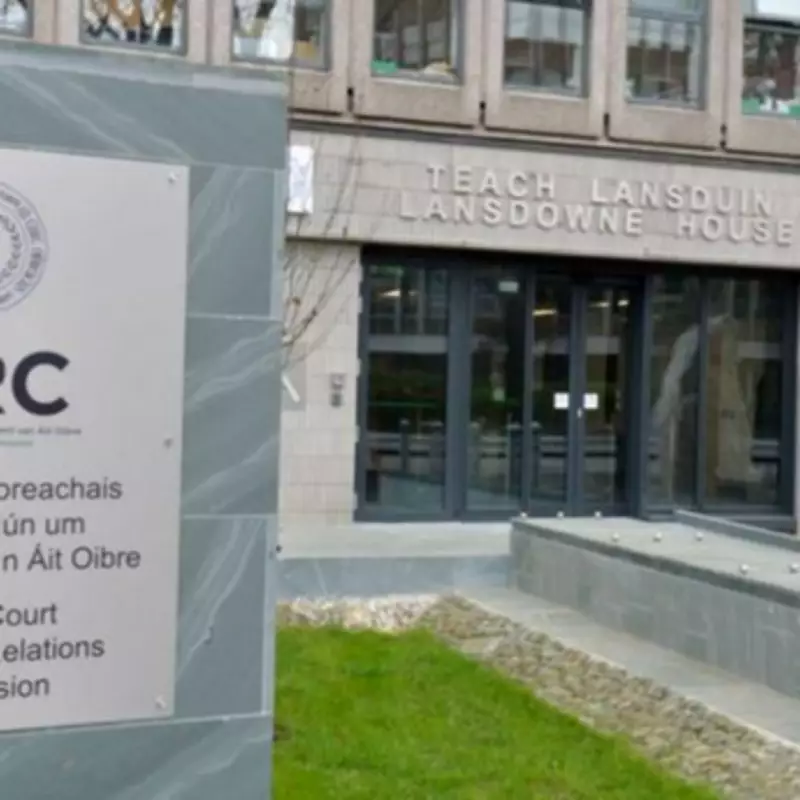
A Thai restaurant chef who was dismissed after serving food that had fallen on the floor to a customer has been awarded €32,550 (£28,429) in compensation by the Workplace Relations Commission. The ruling found that Ecoco Asian Kitchen, operating outlets in Cornelscourt, Dublin and Bray, Co Wicklow, had wrongfully sacked chef Tommy Chee King Eng following allegations of food safety and hygiene violations.
Long-Serving Chef Fired After Over a Decade of Service
Mr Eng had been employed by the company for more than 10 years before being let go on 25 June 2025. The dismissal came after claims emerged that he had picked up food from the floor, subsequently cooked it, and served it to a customer, along with using an incorrect technique when preparing roast duck. The chef maintained that he felt singled out, as other staff members had engaged in similar behaviour without facing disciplinary action.
Disciplinary Process Criticised as Flawed and Unfair
During the proceedings, Mr Eng told the WRC that he walked out of a disciplinary hearing when confronted with fresh allegations based on CCTV footage. These included claims that he was touching his head while cooking, failing to wear headwear, and using a mobile phone while preparing food. He also stated that no private space had been made available during the disciplinary process, with meetings taking place in a customer seating area and a cramped storeroom.

A spokesperson for Ecoco Asian Kitchen said serious hygiene and food safety concerns had emerged in June 2025, shortly after the company took over running the restaurant. The firm stated it had suspended the chef on grounds of potential gross misconduct and subsequently dismissed him based on his written submissions, maintaining it had adhered to fair procedures proportionate to a small employer.
WRC Adjudicator Highlights Procedural Failings
However, WRC adjudication officer Breiffni O'Neill ruled that the company's "reactive, backward-looking approach" was at odds with what would ordinarily be expected of a new owner inheriting a long-serving employee accustomed to existing practices. "In my view, a reasonable employer would have clearly communicated any revised standards, issued updated hygiene protocols, and offered refresher training with a reasonable period for adjustment," said Mr O'Neill.
He noted that the chef's explanations, including that the dropped food had been re-fried before being served, were not examined in a structured manner, and the company had failed to provide any written communication of revised expectations. "A reasonable employer, faced with such explanations, would have sought corroboration or clarification before concluding that they were inadequate," Mr O'Neill added.
Allegations Deemed Insufficient for Dismissal
Mr O'Neill argued the allegations "at their height" fell considerably short of the kind of serious and deliberate misconduct capable of justifying dismissal, "let alone summary dismissal." The WRC stated the matters involved isolated lapses in food handling practice, none of which resulted in any customer complaint, harm, or regulatory concern. While conceding that food safety and hygiene were serious issues, Mr O'Neill emphasised that warnings, retraining, and closer supervision were ordinarily employed unless there was gross negligence, deliberate wrongdoing, or actual harm.
"Any reasonable employer would have considered proportionate corrective steps rather than proceeding directly to termination," he concluded.
Multiple Procedural Shortcomings Identified
The adjudicator highlighted several key failings in the company's approach:

- The procedures progressed "at remarkable speed" without adequate investigation.
- The absence of a suitable or private meeting space for the disciplinary hearing, with meetings held in a customer area and a cramped storeroom, fell short of statutory fair procedure and natural justice standards.
- A direct instruction to Mr Eng not to discuss the matter with any colleague without prior written authorisation contradicted being told he was free to bring a colleague to the hearing. Mr O'Neill described this as "frankly, bizarre" and questioned the company's bona fides.
- The company declined to amend a work roster to permit a colleague who had indicated he would accompany the chef to attend the meeting.
- Fresh allegations were introduced throughout the process without questioning the chef regarding them.
- The involvement of the same two individuals representing the company throughout the entire process was "a cause for grave concern."
Appeal Process Also Found Lacking
Mr O'Neill further criticised the company for rejecting an appeal lodged by the chef's daughter on his behalf, given that English was not his first language. He stated that the absence of any functioning appeal process was "a significant procedural failing." The adjudicator ruled that the decision to sack the complainant was unjust, as it fell outside the range of responses expected of a reasonable employer.
The WRC ordered the company to pay the chef €30,150 in compensation for the unfair dismissal, along with a further €2,400 for failing to provide him with a minimum statutory notice period, totalling €32,550 (£28,429). This case underscores the importance of fair procedures and proportionate responses in employment disputes, particularly when dealing with long-serving staff members.





