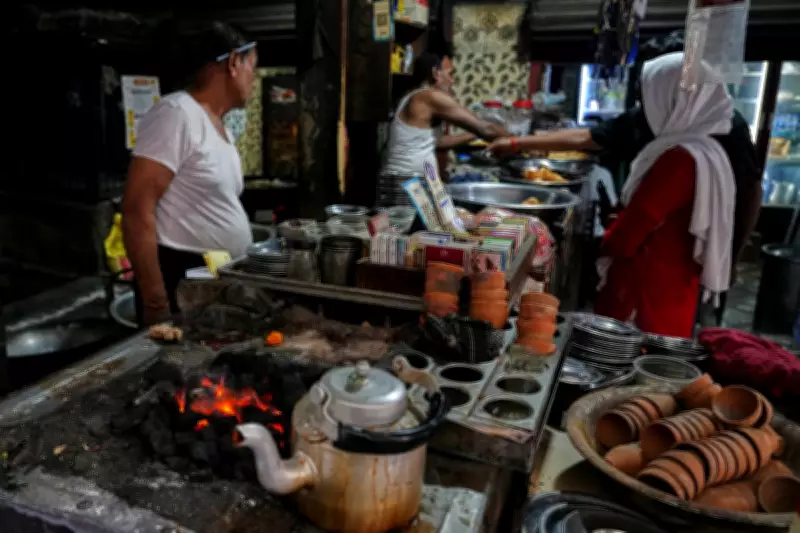
The energy shock triggered by the Iran war is reverberating through kitchens, forests, and conservation efforts across Africa and South Asia. Households are increasingly turning to charcoal and firewood as cleaner cooking fuels become too expensive or unreliable.
Return to Traditional Fuels
In Kibera, one of Africa's largest informal settlements in Nairobi, Kenya, residents like Brenda Obare have abandoned liquefied petroleum gas (LPG) stoves for charcoal burners. 'We don't have many options,' she said. 'You use what you can afford.'
This trend is becoming widespread as governments' efforts to promote cleaner fuels for health and conservation are undermined by rising costs. Air pollution from biomass fuels caused 2.9 million deaths in 2021, according to the World Health Organization.

Conservation at Risk
The shift to biomass increases pressure on forests and wildlife. Paula Kahumbu, a wildlife conservationist and CEO of WildlifeDirect, warned: 'The first conservation risk from an energy shock in Africa is not abstract. It is household fuel switching.'
Rising demand for firewood and charcoal degrades watersheds and habitats as people venture deeper into forests. In India, similar reversals are occurring. Rama, a social worker in New Delhi, noted that families earning below $3 a day can no longer afford LPG and are reverting to wood stoves.
Impact on Women and Girls
Neha Saigal of Asar Social Impact Advisors highlighted that women and girls bear the burden of fuel collection, spending hours daily and losing time for work or education. 'Years of work went into making LPG aspirational. But a global issue like this can reverse some of those gains,' she said.
Broader Ripple Effects
Experts warn that the energy crisis also strains conservation funding and operations. Reduced tourism due to higher travel costs impacts countries like Kenya and Tanzania, where wildlife tourism funds protected areas. Mayukh Chatterjee of the International Union for Conservation of Nature noted that delayed responses to human-wildlife conflicts due to fuel shortages increase risks for both people and animals.
Kahumbu called for targeted subsidies and support for local energy sources like biogas and solar to prevent further environmental damage. 'Treat conservation as essential infrastructure during economic shocks,' she urged.