

The Hidden Homeless: London's Food Delivery Riders Forced to Sleep Rough
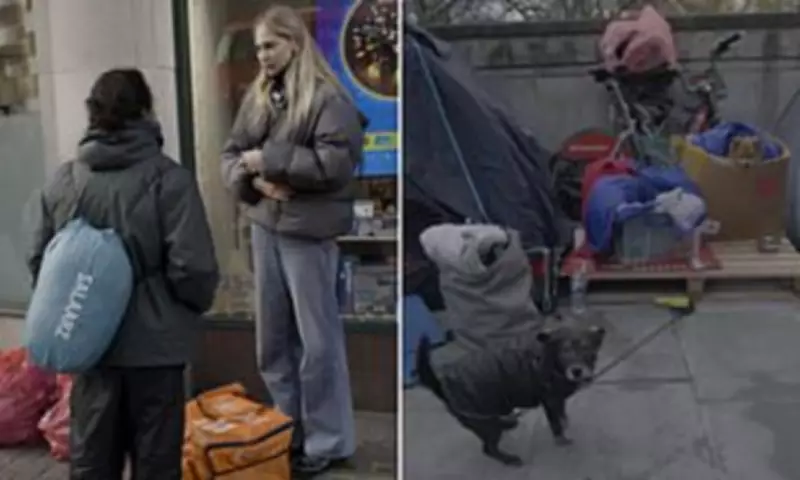
In the shadow of towering glass office blocks, amidst the thronging crowds of central London, lies a small, unnoticed camp. At first glance, it appears as little more than a line of discarded belongings pushed against a service road wall: a row of tents, battered folding chairs, and communal makeshift kitchens draped with tarpaulin and old sleeping bags. Look closer, and the clues emerge: bikes secured against railings, some with bags bearing the names Deliveroo, Uber Eats, and Just Eat.
A New Class of Homeless
The men living here represent a new class of homeless – self-employed riders who deliver takeaway food across the capital from dawn to dusk, yet are forced to sleep rough because their wages are insufficient to secure even a shared room. In 2025, the UK's online food delivery market was estimated to be worth over £14.3 billion, epitomising 21st-century convenience. However, behind this booming industry lies a workforce living hand to mouth.
Among the approximately 20,000 food delivery riders in London are 20-something graduates and trained professionals barely scraping a living. For Underground: UK, the Daily Mail's investigative video series, journalist Mimi Yates spent three weeks walking city streets, seeking out delivery bike riders to learn about their lives.

Rami's Story: Ambition Dashed
After several visits to a camp near Warren Street Tube station, Yates found Rami*, a 27-year-old from Morocco, willing to speak. Well-spoken with a gentle face, Rami spends his days waiting for his phone to buzz with orders, hanging outside restaurants, or speeding between deliveries. Each drop offers a tormenting glimpse of warm homes and ordinary life he cannot afford.
'It's when I wake up here that it hits me,' Rami confesses. 'I came here to be rich, to be a big businessman. Now, I am homeless.' He hasn't told his family, saying, 'I'm too embarrassed,' his eyes filling with tears. He works 70 to 90 hours weekly, trying to save for a room deposit, knowing others sleep in McDonald's or KFC between shifts.
Pitiful Pay and Rising Costs
Delivery companies pay per drop, sometimes as little as £2.80, rather than per hour. Riders report that 'pay floors' do not function like a real minimum wage, as slow demand can leave them waiting without earnings. Several riders estimate earning between £50 and £80 for a 12-hour day – barely half the hourly minimum wage. On slow nights, one made £15 after four hours. Meanwhile, the average London room rent nears £1,000 monthly.
Essential tools come at a cost. Riders rent e-bikes for around £50 weekly from depots, with fines for late returns wiping out hours of work. They also need phones and data, with some, like Dean, 33, relying on pay-as-you-go credit. Riders must buy insulated branded bags, with replacements costing £25 each – a significant sum when earnings are low.
Legal and Illegal Workforces
Contrary to assumptions, many riders, like Rami and Dean, are legally entitled to work in the UK, having arrived through legal routes or grown up here. However, the gig economy has fostered a shadow market in 'account renting,' where individuals sublet their delivery accounts to illegal migrants or asylum seekers for about £50 weekly. This risky practice can lead to exploitation, with some account holders disappearing without payment.
The Home Office has partnered with delivery firms to increase identity checks and facial-recognition verification, leading to arrests of illegal workers. Border Security Minister Alex Norris stated new measures aim to 'clamp down on illegal working in the delivery sector.' Yet, some riders, unable to work legally, report being pushed towards street crime or drug dealing.
High Risks and Harsh Realities
The job is high-risk, with riders navigating busy streets, leading to common accidents. Research from University College London suggests gig economy riders are 11% more likely to be involved in injury-causing crashes than restaurant-employed riders, often taking risks to maximise earnings. Without sick pay or safety nets, injuries can be devastating.

At Humdingers soup kitchen in East London, former chef Robert Hunningher notes about 20% of visitors are delivery riders, some working nearly 24 hours daily. He recalls a regular, Dave, who was abandoned by employers after a crash left him with a serious leg injury. 'These companies are greedy,' Rami says. 'They know they can do it, because there will always be cheap hands.'
Company Responses
Delivery firms have responded to concerns. A Deliveroo spokesperson expressed concern and encouraged affected riders to contact them, noting riders earn at least a minimum hourly rate on orders, above the National Living Wage. Uber Eats emphasised safety and illegal work prevention, while Just Eat stated couriers earn over the national living wage on orders and value flexibility. However, for riders like Rami, the struggle persists, highlighting the bitter irony of ordering a takeaway while the deliverer queues at a soup kitchen.





