

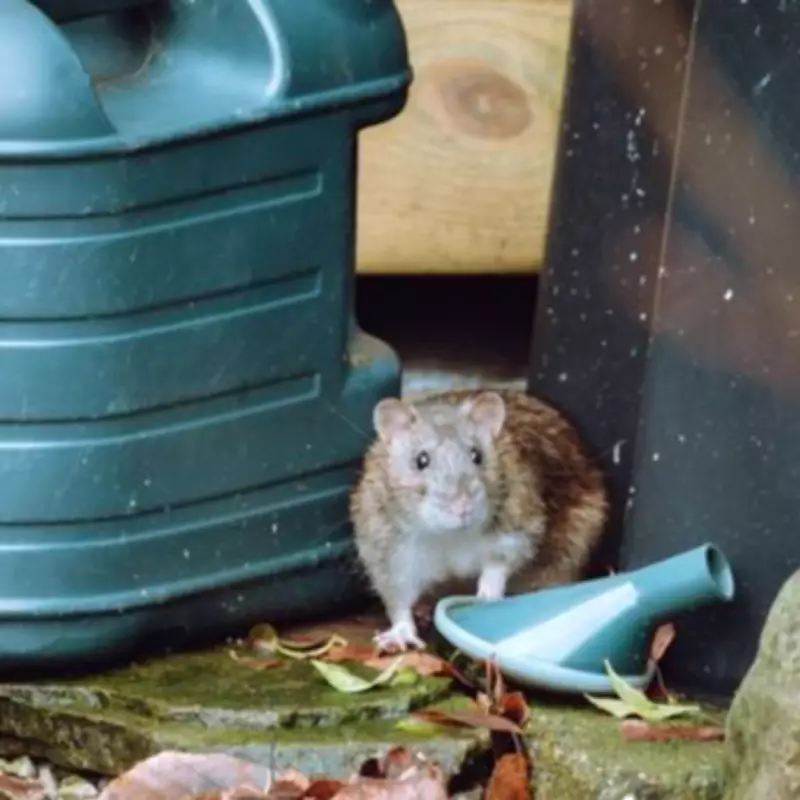
Gardeners across the UK are reconsidering the placement of bird feeders in their gardens after a viral video revealed how these common items can attract unwelcome rodent visitors. The footage, which circulated widely on social media, showed a swarm of rats congregating around a standalone bird feeder, with several climbing the pole to feast on the birdseed. The homeowner was so alarmed that they removed the feeder entirely, choosing to forgo birdwatching rather than deal with the rat infestation.
Clever Workaround Suggested
However, one sharp-thinking social media user offered a clever workaround for those keen to attract birds without the rats. They shared their tip: "I wiped the pole down with olive oil; it was too slippery for these little buggers. They must have food elsewhere; they didn't return." This simple solution has garnered attention as a potential non-lethal deterrent.
Yet many gardeners remain frustrated. One user lamented: "I stopped feeding the birds because of rats; I was devastated." Echoing this sentiment, another posted: "This is why I don't have one!" while a fourth commented: "That's why I had to stop feeding the birds." Issuing a caution, another user warned: "Stop feeding the birds; [it's the rats] only there for food source."

Expert Advice on Deterring Rats
According to gardening experts, rats will consume a variety of items including scattered birdseed, fruit, and root vegetables such as potatoes and carrots. They frequently nest beneath decking, in sheds or greenhouses, and even inside compost bins or flower pots. To keep these unwanted visitors at bay, experts recommend maintaining a tidy garden, regularly repositioning items, blocking entry points to decks and sheds, and removing any standing water.
Their guidance concludes: "Rats are intelligent animals, but they are usually unwelcome visitors in our gardens. These common rodents are generally considered vermin and can spread potentially serious diseases, including leptospirosis, which can lead to Weil's disease."
Signs of Infestation and Humane Removal
Rats are common in both countryside and towns, so it is not unlikely to see one in your garden at some point. To determine if you have a problem, look for signs of living and feeding activity. If an infestation is suspected, take measures to discourage them, such as removing all food sources. This should encourage rats to move elsewhere. The most humane way to get rid of rats is to deter them using the methods mentioned above. If these steps fail or if a rapid removal is needed, it may be time to call a reputable pest control company. Experts warn that putting down poison or traps in the garden yourself can be dangerous to other garden wildlife.






