Georgia Pioneers Fuel Tax Suspension to Ease Pump Price Pain
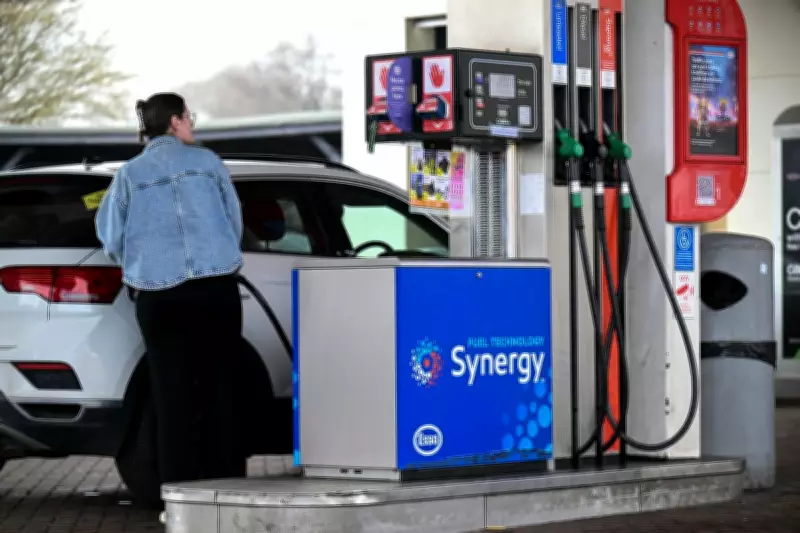
In a decisive move to combat escalating fuel costs, Georgia has become the first state in the United States to suspend its fuel taxes, responding directly to the surge in pump prices triggered by the ongoing war in the Middle East. Republican Governor Brian Kemp signed legislation enacting a 60-day halt on the state's 33-cents-per-gallon gasoline tax and 37-cents-per-gallon diesel tax, with drivers expected to see relief within days as price reductions filter through from wholesalers to retail stations.
Financial Relief Amid Economic Strain
This intervention comes as the national average gas price has skyrocketed from $2.93 per gallon on February 20 to $3.91 per gallon, according to motorist group AAA. In Georgia, the sharp increase prompted state officials to tap into declining savings to fund two months of tax relief, even as rising oil prices could potentially obscure some of the savings. Governor Kemp emphasized the move as returning "taxpayer money where it belongs, in the pockets of hardworking Georgians."
Officials project that Georgia will forgo between $360 million and $400 million in fuel tax revenue during the suspension period. For the average motorist, this translates to savings of approximately $5 to $6 per tank for a typical passenger vehicle. The suspended taxes are normally earmarked for road and bridge maintenance, but the state plans to use its accumulated surplus to cover the temporary loss for infrastructure projects.

Contrasting State Responses and Political Dynamics
Unlike the widespread gas tax relief measures implemented during the 2022 price surge driven by the Ukraine conflict, other states have shown reluctance to follow Georgia's lead. This hesitation stems partly from diminished state coffers compared to the post-pandemic period when federal aid and tax revenues were abundant. The suspension is part of a broader tax relief package that also includes state income tax rebates of $250 to $500 per household for eligible filers, totaling $1.2 billion from state savings.
The timing is politically significant, occurring in an election year where Republicans and Democrats are fiercely contesting control of swing-state Georgia. Since 2021, Republican-led initiatives have delivered over $9 billion in tax rebates and holidays, including multiple gas tax suspensions and property tax relief. However, other states are taking different approaches:
- Florida Governor Ron DeSantis has ruled out suspending the state's 23.5-cent gas tax, stating there is no "simple fix" and emphasizing the need for stable international energy markets.
- In Maryland, Republicans are advocating for a 30-day gas tax holiday, but Democratic Governor Wes Moore's administration opposes it, citing a $100 million budget impact and urging focus on ending the Middle East conflict instead.
- Connecticut's Democratic Governor Ned Lamont has proposed a gas tax holiday, though the measure has not yet advanced legislatively.
Strategic Positioning and Future Implications
Georgia Republicans have strategically framed the tax suspension as part of their ongoing affordability agenda, avoiding direct mentions of President Trump or the Middle East war while countering Democratic efforts to leverage public discontent over prices. Governor Kemp asserted, "This isn't an issue that we just discovered. It's one we've been taking action on for years, in a strategic and carefully planned way, to help hardworking Georgians."
The move highlights how state-level fiscal policies are increasingly intertwined with global geopolitical events and domestic political calculations. As gas prices remain volatile due to international conflicts, Georgia's pioneering approach may set a precedent for other states grappling with similar economic pressures, though current fiscal constraints suggest widespread adoption is unlikely in the immediate term.