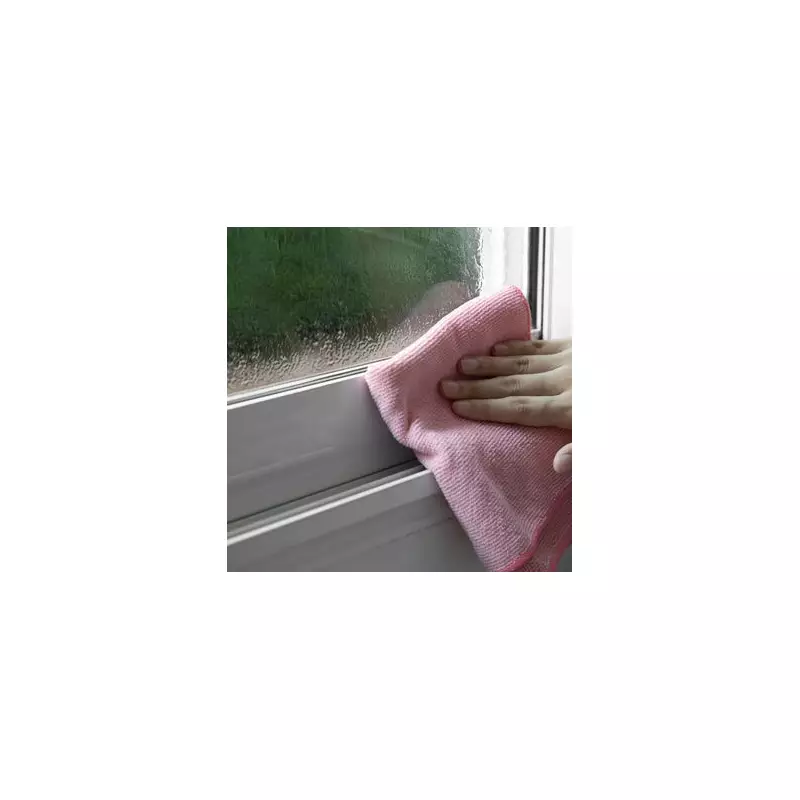
As temperatures plummet across the UK, a familiar and troublesome winter issue returns: windows streaming with condensation. This persistent moisture is more than just a nuisance; if left unchecked, it can lead to damaging black mould growth around your home.
The Science Behind the Steam
Condensation forms when warm, moist indoor air meets a cold surface, such as a window pane. Everyday activities like cooking, showering, and even drying clothes indoors significantly contribute to indoor humidity. As reported by the Express, the problem often intensifies overnight, as our breathing adds moisture to the air, leaving windows misty and damp by morning.
Failing to wipe away this moisture allows mould spores to spread onto windowsills, walls, and nearby furniture, creating a potential health hazard and damaging your property.

A Natural Solution: The Power of Houseplants
Fortunately, a simple and aesthetically pleasing solution exists. James Beesley, an expert from Whitaker's Garden Centre, advocates using specific houseplants as a natural dehumidifier.
"Houseplants provide a natural way to manage humidity levels within your home," Beesley explains. "They absorb moisture through their leaves, reducing the amount of humidity in the air. This can be particularly beneficial in rooms prone to condensation, like bathrooms and kitchens."
This method offers a dual benefit: it tackles the condensation issue while also purifying the air and enhancing your home's decor, creating a cosier atmosphere during the colder months.
Top Plants to Combat Condensation and Mould
Not all plants are equally effective. The best varieties are often tropical plants that naturally absorb ambient moisture. Placing them on a windowsill can directly help pull moisture from the air, reducing condensation on the glass.
For those new to plant care or seeking low-maintenance options, experts recommend the following:
- Spider Plant: Renowned for its air-purifying qualities, it requires minimal light or water to thrive.
- Peace Lily: A stunning flowering plant that enhances home décor while effectively absorbing ambient moisture.
- English Ivy: Easy to care for and striking when placed on shelves or bookcases, it actively helps reduce humidity.
- Boston Fern: A popular choice known for reducing humidity. It is also non-toxic, making it a safer option for households with pets or children, though ingestion of large quantities may cause stomach upset.
A crucial note of caution: Many tropical houseplants can be toxic if consumed. It is essential to research thoroughly and exercise caution when selecting plants if you have pets or young children at home.
This natural, economical strategy provides a lasting way to manage winter humidity, keep windows clearer, and protect your home from mould, all without the need for daily wiping.