

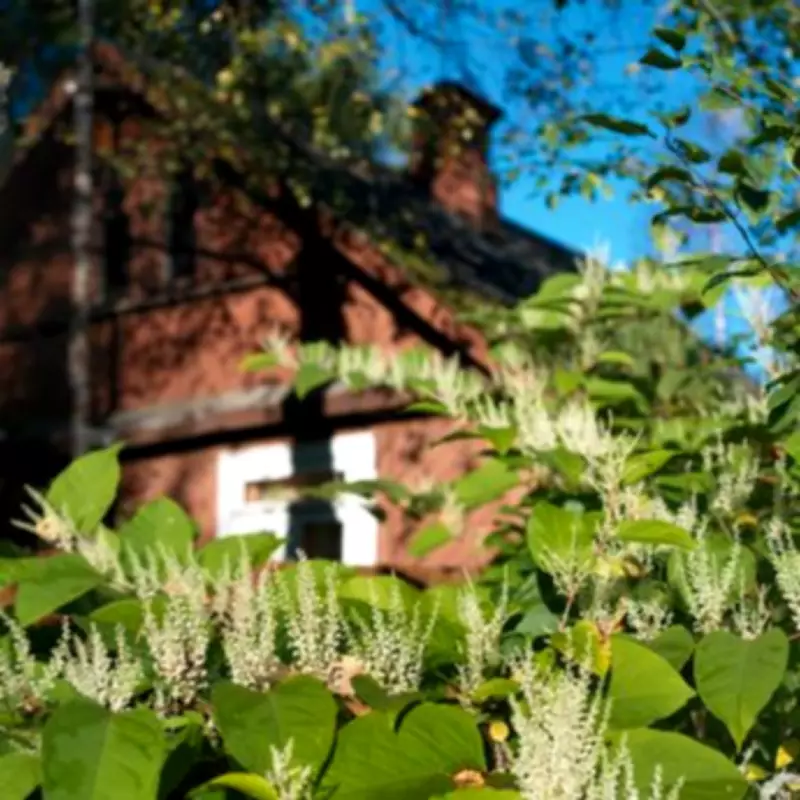
UK homeowners are being urged to act quickly as Japanese knotweed enters its most aggressive growing phase between April and October. Experts warn the invasive plant can cause "enormous damage" to buildings, gardens, and infrastructure if left untreated.
What is Japanese Knotweed?
First introduced to the UK in the mid-19th century as an ornamental Victorian garden species, Japanese knotweed has become one of the country's most destructive invasive plants. It was highlighted during a recent episode of BBC Morning Live, where consumer champion Louise Minchin joined presenters Greg Rutherford and Helen Skelton to discuss the plant's rapid re-emergence after winter dormancy.
Why is it Dangerous?
The Royal Horticultural Society classifies Japanese knotweed as an invasive non-native species that spreads quickly through underground rhizomes. It can force its way through patios, pavements, drains, and brickwork, causing costly structural damage. Minchin described it as a plant that can "turn your life upside down" if not tackled early.

The Environment Agency warns that even tiny fragments can regrow, increasing the risk of spreading during active growth when homeowners attempt DIY removal. Property experts note that Japanese knotweed remains a major concern in the UK housing market, with mortgage lenders often refusing loans unless a professional management plan is in place.
Treatment and Legal Implications
Treatment programmes can take several years and cost thousands of pounds, especially when infestations are left unchecked. The plant's underground rhizome system can extend up to three metres deep and several metres wide, making summer growth particularly difficult to control. Disposal is tightly regulated; contaminated material is classed as controlled waste and must be handled by licensed carriers.
Legal experts highlight that sellers must declare Japanese knotweed on property forms. Failure to do so can lead to misrepresentation claims and costly disputes over property values. The Property Litigation Association says undisclosed cases can result in significant legal costs.
Detection and Management
Specialist surveys and trained detection dogs are now used to identify hidden infestations, including underground growth that becomes more detectable during peak growth periods. The Royal Institution of Chartered Surveyors says eradication is not always realistic; most cases now focus on long-term management plans involving herbicide treatment over several growing seasons.
Homeowners are urged to act immediately if they spot signs of knotweed during peak growth, as delays can significantly increase treatment costs and complicate future property sales.






