As winter tightens its grip and heating systems hum back to life across the UK, a widespread household habit is coming under fire from experts. Hanging damp washing on radiators to dry may seem like a convenient solution, but specialists warn it is a shortcut that can make your home damp, unhealthy, and more expensive to run.
The Hidden Dangers of Radiator Drying
According to plumbing and heating experts at Plumbworld, the practice of draping wet laundry over radiators significantly increases indoor humidity levels. The moisture evaporating from the clothes creates condensation, which heightens the risk of mould growth, particularly in smaller or poorly ventilated rooms.
This elevated humidity doesn't just threaten your property. It can also impact your health. Increased moisture in the air can exacerbate allergies and respiratory conditions like asthma. The Express reports that children and the elderly are especially vulnerable to breathing difficulties in such environments. The additional moisture can also make the air in your home feel uncomfortably stuffy.

The Costly Impact on Your Heating
Beyond health and dampness, this common drying method hits homeowners in the wallet. Damp clothing acts as an insulator on the radiator, hindering its ability to heat the room efficiently. This forces your central heating system to work harder and for longer to achieve the desired temperature, inevitably leading to higher energy bills over the colder months.
Simple Steps for Faster, Safer Drying
Fortunately, Plumbworld suggests several straightforward alternatives to keep your home dry and your costs down. The key is to manage moisture effectively.
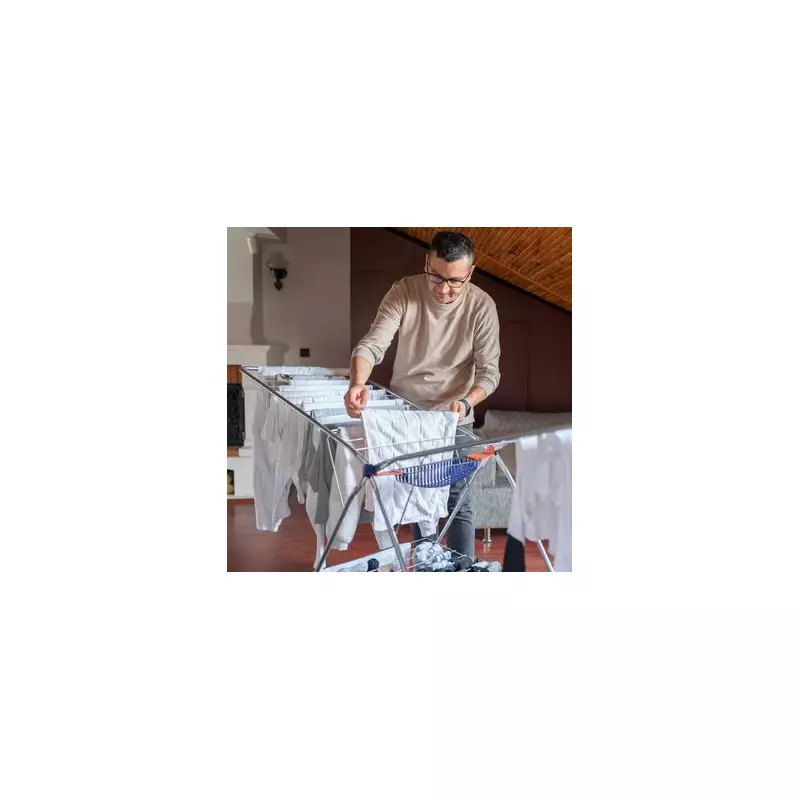
Instead of covering the radiator, position a freestanding clothes airer near the heat source without letting the items touch it. This allows warm air to circulate around the laundry. Crucially, ventilate your home by opening windows for around 10 minutes each day to let damp air escape.
For an even more effective solution, consider using a dehumidifier in the room where washing is drying. This appliance actively pulls excess moisture from the air, speeding up the drying process and protecting your home.
The specialists concluded: "Drying clothes on radiators may feel convenient, but the hidden downsides - from extra moisture to reduced heating efficiency - make it a habit worth limiting. With a few simple changes, homeowners can protect their property, their health, and their heating system."