

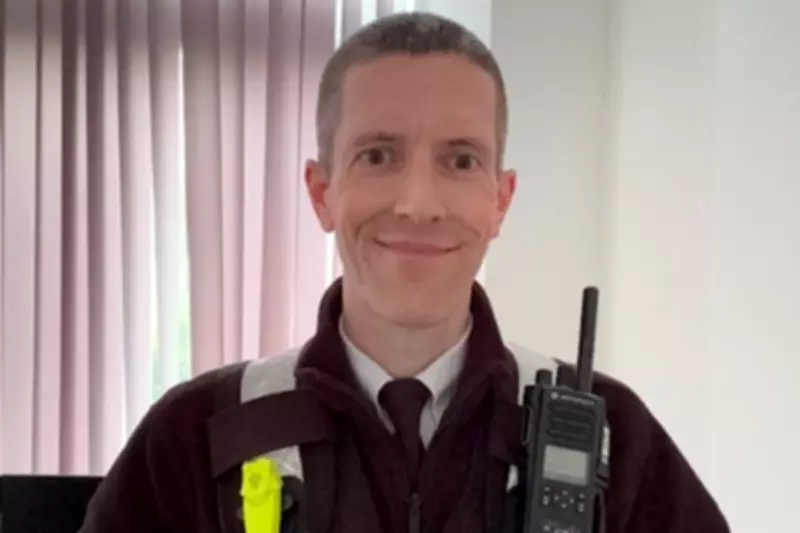
Security Guard's 2:30am Start: A Personal Solution to the Cost of Living Crisis
The ongoing economic downturn has severely impacted earning capacities across the nation, but few have adopted measures as extreme as George Bass, a licensed security guard who rises at 2:30am to navigate the financial strains of modern Britain. His story offers a stark glimpse into the lengths individuals are going to cope with the relentless cost of living pressures.
The Early Morning Routine
George's day begins with a series of alarms starting at 2:20am, carefully set to ambient breakbeat tunes to avoid annoyance in the dead of night. By 2:30am, he is downstairs with his jump mat unrolled, embarking on a high-speed workout soundtracked by Carter the Unstoppable Sex Machine, while the outside world remains silent save for distant sirens or passing taxis.
As a security guard working 12-hour shifts from 6am to 6pm, his role involves responding to fights, thefts, alarms, fires, and self-harm incidents, making pre-shift exercise essential. "It's nice to begin that first patrol knowing I've already performed the most exhausting task of the day," he notes, but the primary driver for his early starts is financial necessity.

Juggling Jobs Amid Rising Costs
With bills set to increase further due to geopolitical tensions, including the Iran conflict highlighted by Keir Starmer as a factor in cost-of-living spikes, and his security job paying just above minimum wage, George seeks extra income through freelance writing during off-duty hours. Despite lacking an academic background, he honed his skills by reading Amazon reviews as a teenager and eventually landed articles in magazines.
At 4am, he drafts ideas and searches for writing opportunities, strategically using off-peak electricity—a tip from his previous role as an electrical labourer. "It might not be everyone's cup of tea," he admits, but research supports his schedule. Forbes has long touted early risers for their entrepreneurial mindset and productivity, while a 2021 JAMA Psychiatry report linked early waking to reduced depression risks.
Family Life and Strange Encounters
George's routine impacts his family dynamics. On rest days, he sleeps in until 4:20am, then wakes his girlfriend with tea before she heads to her job in a school unit for children with social and emotional issues. He often walks his 12-year-old daughter to school, sharing jokes about how she stays up later than him, as he is in bed by 9pm.
His early hours have led to peculiar experiences, such as a 3am encounter where a stranger, mistaking his lit window for a drug dealer's, knocked on his door. The situation de-escalated when George brandished a tactical flashlight, and he later shared the anecdote via notes on the fridge, where his family leaves loving messages for him to find upon waking.
A Broader Economic Context
George does not feel overworked, noting that many shiftmates hold second or third jobs. Overtime opportunities have dwindled, often redirected to agencies, making side gigs like freelance writing crucial. "I'm just grateful I've got two gigs that I really enjoy," he says, expressing hope that his earnings can keep pace with soaring prices.
This personal account underscores the broader challenges faced by Britons, as political warnings and economic factors converge to squeeze household budgets, forcing innovative and often gruelling adaptations to maintain financial stability.






