

Landmark Sick Pay Reform Transforms Workers' Rights After Cleaner's Campaign
When cleaner Sofia Torres began suffering health problems, the inability to claim sick pay exacerbated her condition. In 2022, she revealed to the Mirror that being forced to work without time off ultimately led to her requiring surgery. "We should be valued enough that if we get sick, we can take the time we need to get better, and not feel abandoned," she stated. "That is why we need fair sick pay." Today, three and a half years later, Sofia celebrates a monumental victory in employment rights.
New Law Grants Day-One Sick Pay to Millions
From today, as the Labour government's Employment Rights Act becomes law, over 10 million workers will access Statutory Sick Pay from the first day of illness for the very first time. Additionally, 1.7 million more workers will become eligible for Statutory Sick Pay, marking a significant expansion of protections. "I'm very proud about this," Sofia expressed this week. "I've been campaigning on this with the Safe Sick Pay campaign and the government has listened. This is a mountain we have climbed together."
Recalling her personal ordeal, she added, "I was working for a cleaning company when I needed surgery. I got no sick pay. I received nothing. I had to ask friends for loans to pay my bills. For a month and a half, I had a sick note but no money to pay for medicines, transport, bills. It was terrible. Now, no-one else will have to go through this experience."

Tragic Loss of a Determined Campaigner
Sadly, this victory arrives too late for Alan Barton, a medical device engineer and one of the campaign's most dedicated advocates. Diagnosed with bowel cancer in 2021, Alan had recently started a new job when he fell ill, leaving him ineligible for company sick pay. After surgery, he worked intermittently through chemotherapy, relying on loans to survive. In his final interviews, he faced palliative chemotherapy and eviction threats. "Facing all this, having financial problems is the last thing you need," he remarked.
Alan passed away last year at age 66, having witnessed the Employment Rights Bill enter the King's Speech. Though he will never see it enacted, his wife Julie affirms he would be rightly proud of the changes. The new legislation introduces 'day-one' rights for protection against unfair dismissal, sick pay, and parental leave, alongside bans on exploitative zero-hour contracts and 'fire and rehire' practices. However, the sick pay reforms are poised to quietly transform millions of lives.
Cleaners Share Stories of Transformation
This week, interviews with cleaners at the progressive Clean for Good company in East London highlighted the impact of such protections. Rose, 65, recounted, "When I worked for my previous employer, I was so stressed, my doctor said, 'if you don't change your job you will die.' My blood pressure was through the roof. At Clean for Good, when I needed cataract operations, they paid sick pay. On pay day during recovery, I checked my account and shouted 'they paid me, they paid me'!"
John, a 74-year-old retired stonemason, shared a similar tale. "At a supermarket, I ruptured my Achilles but got no sick pay, forcing me back to work injured. At Clean for Good, when my knee failed, they paid me. That money means so much to people on the breadline. My message to employers is you reap as you sow. In four years, I've never had another day off sick."
Andressa, 38, nodded in agreement. "Before, you had to work however sick you are. Here, you feel safe. You can have a day off, get well, and return. A happy employee gives you much more than an unwell employee."
Progressive Employer Model Shows the Way
Launched in 2017, Clean for Good now employs over 90 cleaners across more than 60 sites. It pays the London Living Wage, offers occupational sick pay from day one, and runs a profit-share scheme that awarded some staff over £500 last November. Managing director Charlie Walker explained, "In iconic buildings, accountants and bankers can take time off, but until now, cleaners, front desk, and security had to work ill or lose pay for three days. Removing waiting days stops people coming in sick. This change benefits millions of workers and employers alike. We're profitable, not a charity, but this bill makes commercial and moral sense."

At Wilkinson Eyre Architects in London, Practice Director Leah Nicholls echoed this sentiment. "Clean for Good treats cleaning as a profession. Patricio, our cleaner, says hello daily and excels at his job. Sick pay is normal for us, so it should be for him. It's sad to think some roles aren't valued equally. If cleaning fails, it's the first complaint." Facilities Manager Diego Martinelli added, "Cleaning is hard work. Fair treatment is a great incentive, and these cleaners always go the extra mile."
Campaign Celebration and Ongoing Impact
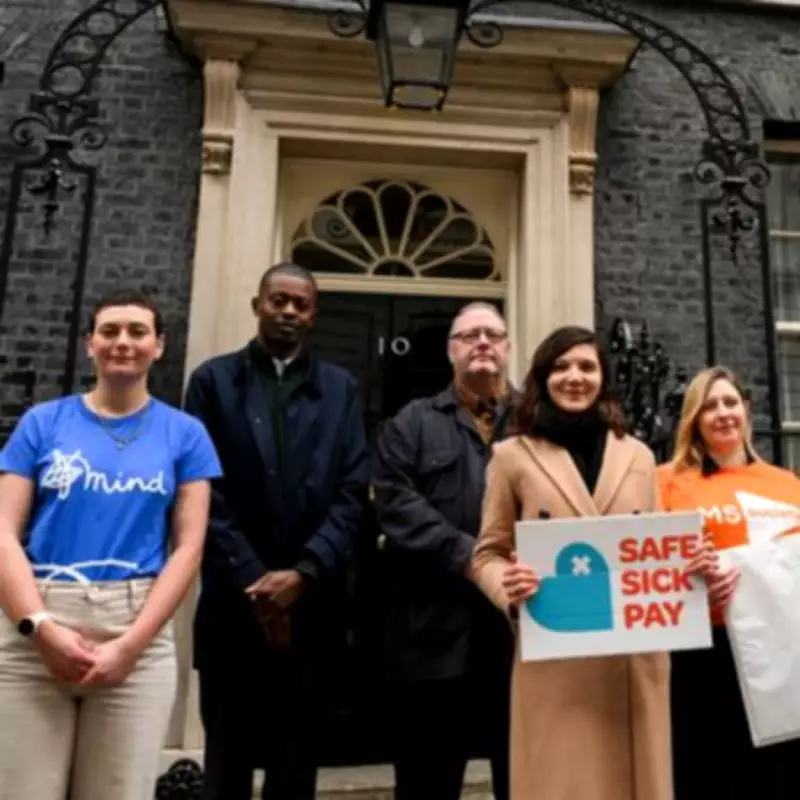
Later this month, the Safe Sick Pay campaign—led by the Centre for Progressive Change and supported by over 150 organisations including the MS Society, Citizens Advice, Young Lives v Cancer, Mind, trade unions, and employers—will hold a celebration at the House of Lords. Sofia will speak alongside former TUC boss Baroness Frances O'Grady.
Meanwhile, Rose's health has improved dramatically. "Since changing employers, my blood pressure is normal. The doctor was shocked." She cleans for the Bishop of London, now the Archbishop of Canterbury. "I was nervous, but Bishop Sarah would answer the door and make me tea. She made me feel welcome and happy." This reform ensures such dignity and security extend to workers nationwide, heralding a new era of employment fairness.





