

As artificial intelligence continues to reshape the global workforce, new research highlights three careers that are expected to remain relatively safe from AI replacement. Jobs requiring hands-on physical tasks and deep human connection are most likely to be AI-proof, according to industry experts.
The AI Job Threat Landscape
Investment bank Goldman Sachs projects that approximately 7 percent of the U.S. workforce could lose their jobs to AI by 2035. Tech companies have recently implemented layoffs to redirect funds toward AI development, accelerating concerns about automation's impact on employment.
"AI isn't coming; it's already here," warned Trevor Houston, CEO at ClearPath Wealth Strategies. "This year, we're seeing it very much taking over numerous jobs that are repetitive and process-oriented. Everything from customer service and administrative assistants to certain marketing and finance positions. In areas where processes are predictable, AI is moving in very quickly."

Nursing: The Human Touch Endures
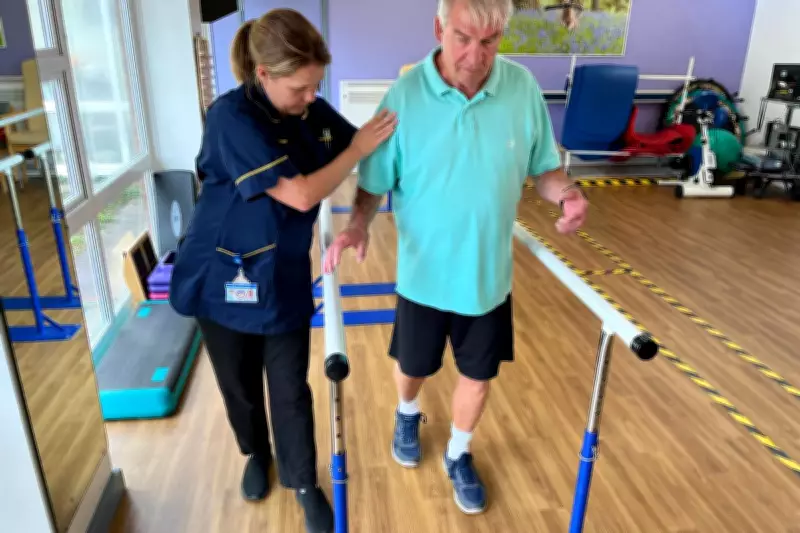
Nursing emerges as a field that multiple experts believe will withstand AI replacement remarkably well. A 2024 study published in the medical journal Women's Health Nursing found that dealing with complex human emotions and ethical decision-making represent areas where AI will continue to struggle significantly.
"No matter how advanced and intelligent AI becomes, it cannot replace the core aspect of nursing, which is the care that necessitates human emotions and judgments," explained researcher Hae-Kyung Jo. "AI lacks the capacity to embrace the nursing philosophy that is grounded in human dignity and cannot be held accountable for its actions."
Russell Twilligear, head of AI research and development at BlogBuster, confirmed nursing ranks among the top roles expected to resist the coming wave of AI job replacement. "The reasoning behind this one is because these jobs depend on real-world judgment, human trust, physical work and accountability," he noted. "AI can for sure help here, but take over completely? We are years and years away from that."
Skilled Trades: Physical Dexterity Prevails
Experts believe skilled trades—typically blue-collar, hands-on roles such as HVAC technicians, electricians, and plumbers—represent some of the most AI-proof positions in the current job market. AI systems face substantial challenges performing the intricate, multi-step physical tasks that tradespeople execute daily.
"A lot of trades need hand-eye coordination, dexterity, and flexibility, such as an electrician or a plumber," explained Utah-based All Trades Staffing Services in a recent analysis. "Robots don't have the required dexterity or motor controls for this kind of work."
Julian Scadden, a plumber and CEO of trades consultancy Nexstar Network, pointed to increased private equity investment in trade businesses as another indicator of the sector's resilience. "That investment may suggest financial markets believe trades can better weather AI's full impact on the U.S. job market," Scadden observed.
Crisis Management: Human Judgment Essential
Crisis managers—professionals who help organizations navigate unexpected events through training, preparation, and response planning—constitute the third category of AI-resistant careers. This broad field includes positions in emergency management, emergency response, and emergency preparedness.
"AI can definitely assist each of these jobs but can't produce output equal to that of humans," emphasized Jan Hendrik von Ahlen, managing director and cofounder of job platform Jobleads.
Consulting firm Deloitte reported in July 2025 that crisis managers should transform potential AI fears into opportunities to explore the technology's benefits. "AI tools can be used to gather, analyze and summarize large sets of text: for example, responses to post-incident reviews," Deloitte explained. "This can feed into post-incident reports, drafting observations and recommendations for review."
While AI continues to advance rapidly, these three career paths demonstrate that human skills in emotional intelligence, physical dexterity, and complex judgment remain difficult to automate completely.






