Almost two million vehicles across the United Kingdom are currently eligible for free road tax through a special DVLA programme designed to preserve Britain's motoring heritage. According to the Federation of British Historic Vehicle Clubs' 2025 National Historic Vehicle Survey, a remarkable 1,934,178 historic vehicles were registered with the DVLA last year.
Historic Vehicle Ownership and Cultural Significance
The comprehensive research revealed that Britain has approximately 690,777 historic vehicle owners, with more than 22.7 million adults considering these classic vehicles an essential element of the nation's cultural heritage. The survey also discovered that 9.7 million people expressed interest in owning a historic vehicle, while 4.3 million attended a historic vehicle gathering in the previous year – representing a dramatic 100% increase since 2020.
Understanding the 40-Year Rule
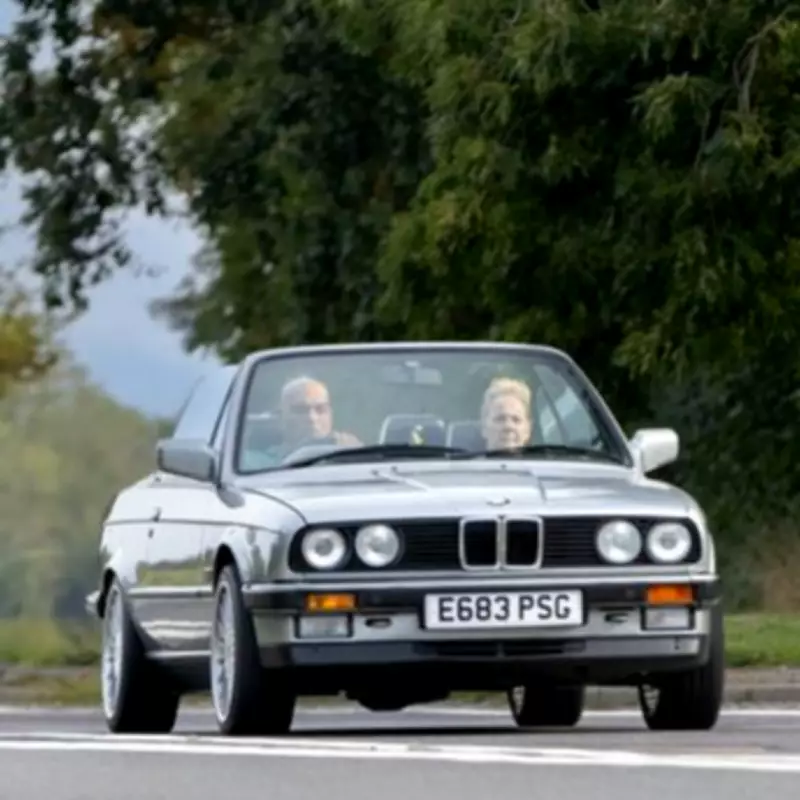
Under current DVLA regulations, any vehicle exceeding 40 years of age qualifies for free road tax. A vehicle becomes eligible in the April of the year it reaches this milestone age. For example, if a classic Ford Escort, BMW 3 Series or Audi A4 Quattro was manufactured before January 1, 1985, it became eligible for free road tax from April 1, 2025.

The same principle will continue to apply in 2026 and beyond. The DVLA clarifies that even if owners are uncertain about their vehicle's exact manufacturing date, they can still apply for tax exemption provided it was first registered before January 8 of the relevant year forty years prior. This means the majority of owners with vehicles exceeding 40 years old are eligible to apply.
Important Exceptions and Restrictions
However, there are significant restrictions to be aware of. Your vehicle will not qualify for tax exemption if it's being used for hire or reward – such as operating as a taxi carrying fare-paying passengers – or if it's employed commercially for business or trade purposes. The exemption is specifically designed for privately owned historic vehicles used for personal transportation and preservation purposes.
Application Process for Tax Exemption
A crucial point for owners to understand is that this regulation doesn't automatically mean you can simply stop taxing your vehicle. Motorists must still formally apply for road tax through the proper channels, despite not having to pay for it.
For first-time applicants, there's a specific procedure to follow when applying for the exemption, which involves visiting a Post Office that handles vehicle taxation. You'll need to bring several documents including:
- Your log book (V5C) in your name
- Your vehicle tax reminder letter (V11) if available
- Proof of a valid MOT (if your vehicle requires one)
- Documentation if your vehicle is MOT-exempt (V112)
Should you not have the log book, you'll need to download and complete an application for a log book (V62) and take it to the Post Office along with the £25 charge. Residents in Northern Ireland must present additional documentation including a valid MOT certificate covering the period when the tax begins, alongside an insurance certificate or cover note.
Processing and Ongoing Requirements
The Post Office forwards the vehicle's log book to the DVLA, who then issue a revised log book. Any refund owed will arrive within six weeks, and your vehicle remains roadworthy whilst your application is processed. After securing the exemption, the DVLA will post annual vehicle tax reminder letters before your current tax expires in following years. You'll still need to tax your motor annually, though no payment will be required.
The DVLA emphasises that driving an untaxed vehicle remains illegal regardless of age. Failing to tax your car punctually could result in an £80 penalty, so maintaining proper documentation is essential.
Economic and Cultural Impact
Following publication of the 2025 survey, FBHVC chairman David Whale commented on the broader significance of the historic vehicle sector. "This report underlines just how vital the historic vehicle sector is to Britain's economy, culture and communities," he stated. "It's worth a record 7.3 billion pounds a year, supports 34,500 skilled jobs, and unites millions of people through a shared love of our motoring heritage."

However, Whale also highlighted challenges facing the sector. "But we cannot take that success for granted. The average owner is now in their sixties, and we urgently need to inspire and train the next generation. Programmes like our new Youngtimer initiative and industry apprenticeships are key to ensuring these vehicles – and the skills to maintain them – survive for the future."
The survey results demonstrate that historic vehicles represent more than just transportation – they're living pieces of British engineering history that continue to generate significant economic activity while preserving important technical skills and cultural traditions.