

Uber Drivers Face Unfair Deactivations as Automated Systems Take Over
Since the federal government enacted laws in 2024 to protect gig workers from unfair deactivation, dozens of Uber drivers have brought claims to the Fair Work Commission. These drivers, who are not classified as employees, allege they are being unjustly removed from the platform with little opportunity for appeal, as the rideshare giant increasingly depends on automated systems to manage its workforce.
Personal Ordeals Highlight Systemic Issues
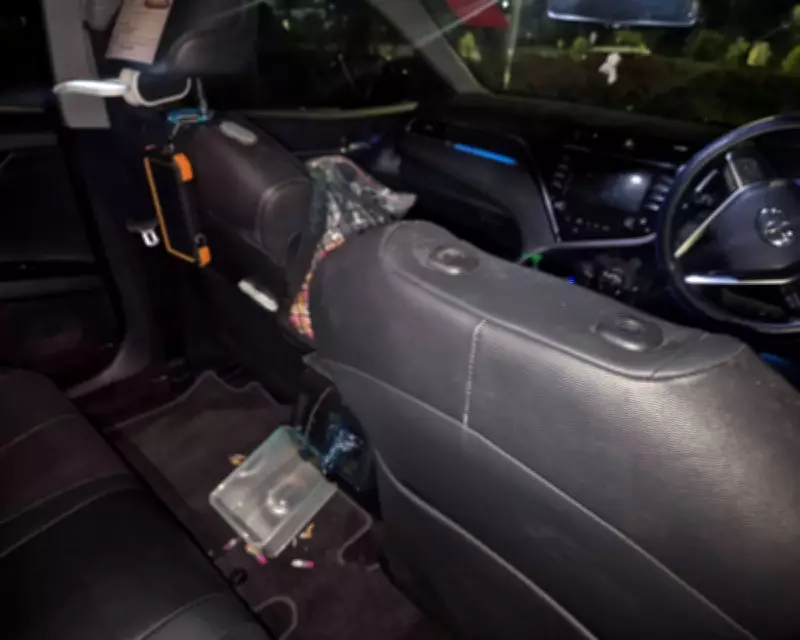
Michael Thorn, an Uber driver with five years of experience, relied on the platform as his primary income source, earning approximately $700 weekly to cover medical expenses and rising fuel costs. In April, he picked up four intoxicated passengers from a western Sydney pub. According to Thorn, the passengers took minutes to fasten their seatbelts and then allegedly threw a portable car lamp at him. After he asked them to exit the vehicle, one rider head-butted and repeatedly punched Thorn in the face, resulting in hospital treatment and stitches. Police investigations into the assault are ongoing.
Despite reporting the incident to Uber, Thorn received a complaint from the passengers and was informed his account had been deactivated. "It's even worse than getting belted," Thorn remarked, describing the emotional toll of losing his livelihood while recovering from injuries. Although Uber reactivated his account four days later after a safety officer apologized, Thorn remains under threat of future deactivation due to prior passenger complaints he deems unfair.

Legal and Union Interventions
The Fair Work Commission has criticized Uber's rapid deactivation methods in multiple cases. In a 2025 ruling, the tribunal ordered Uber to compensate a driver with nearly two months of lost earnings after he was unfairly deactivated following an assault by passengers he asked to stop using drugs in his car. More recently, on 10 April, Uber Eats was directed to reinstate a delivery rider whose account was cut off based solely on an automated customer rating falling below 85%, a decision the bench labeled "illogical and arbitrary."
Uber has defended its approach as "human-led" and capable of rejecting fraudulent reports, but admitted it does not have personnel reviewing every circumstance. Michael Rawling, an associate professor of labour law at the University of Technology Sydney, noted that Uber's practices bypass traditional procedural fairness, such as engaging in dialogue with workers before enforcement. "Procedural fairness can require having a conversation with the worker involved, a back and forth," Rawling explained. "A lot of that is not happening."
Union Support and Worker Testimonies
With fewer than 600 staff in Australia, Uber may lack the resources to handle deactivation disputes adequately, shifting the burden to the Fair Work Commission and unions. The Transport Workers' Union has stepped in to assist drivers like Ranjit Singh, who was deactivated after a passenger assaulted him in January, causing over $2,000 in lost earnings. Singh described receiving only automated messages from Uber, with promises of follow-ups that never materialized. "They just straight away deactivated my account," he said, highlighting the platform's reliance on algorithms over human judgment.
Emily McMillan, TWU national assistant secretary, emphasized the dangers of algorithmic control, stating, "There has been a devastating flood of violent assaults and fatalities of gig workers in the past few years which have hit the community hard. We need to see gig platforms take full accountability for their out-of-control algorithmic systems." An Uber spokesperson reiterated the company's commitment to safety and acknowledged the impact of deactivations on livelihoods, asserting that such decisions are not made lightly, but declined to comment on individual cases.
As Uber continues to navigate these challenges, drivers remain caught between automated systems and the fight for fair treatment, underscoring broader issues in the gig economy's regulatory landscape.






