Octopus Solar Panels: A Detailed Review for UK Homeowners
If you have determined that solar panels represent a worthwhile investment and are prepared to transition to renewable energy, this comprehensive review of Octopus Energy's solar offerings examines whether this rapidly expanding provider is the optimal choice for your residence. We have meticulously compared solar panel costs, installation procedures, and warranty terms against other leading providers to assist you in identifying the best solar panel installers across the United Kingdom.
The Meteoric Rise of Octopus Energy
Since its inception in 2015, Octopus Energy has experienced extraordinary growth, establishing itself as one of Britain's foremost suppliers of electricity and natural gas. The company's expansion accelerated significantly in 2023 through the strategic acquisition of Shell Energy, thereby expanding its customer base to encompass nearly one quarter of all UK households. By 2024, Octopus had surpassed British Gas to become the nation's largest electricity supplier, although British Gas maintains its leadership position regarding gas customers. Presently, Octopus is leveraging this momentum to establish itself as a major participant in domestic renewable technology, particularly within the solar energy sector.
Surviving Market Turbulence and Global Expansion
Amidst the considerable turbulence of the energy crisis following Russia's invasion of Ukraine, numerous smaller energy firms collapsed. Octopus Energy, however, distinguished itself as one of the few startups that scaled operations sufficiently to not only survive but thrive during this challenging period. In 2022, the company expanded its operations into solar energy, offering comprehensive panel installation services alongside its existing renewable energy tariffs. Today, Octopus not only supplies green power throughout the United Kingdom but also maintains operational presence across Europe, Australia, Japan, and the United States.

Why Consider Octopus Solar Panels?
Octopus represents our top recommendation for solar installation among homeowners seeking a single point of contact for all their energy requirements. The company provides comprehensive services including solar panel installation, purchase of excess solar power at up to 15 pence per unit on a flat tariff, electric vehicle charging solutions, heat pump installation, and combined gas and electricity supply. This integrated approach proves particularly attractive to clean energy enthusiasts who prefer avoiding multiple company interactions for different energy needs.
For substantial installations, the export power pricing structure could represent significant financial benefit. While rates as high as 25 pence per unit remain possible, such pricing arrangements tend to be short-lived or contingent upon using specific installation partners. With lower export prices, the timeframe required to recoup your initial investment extends considerably, while simultaneously providing your energy provider with inexpensive electricity that enhances their profit margins.
Detailed Cost Analysis and Specifications
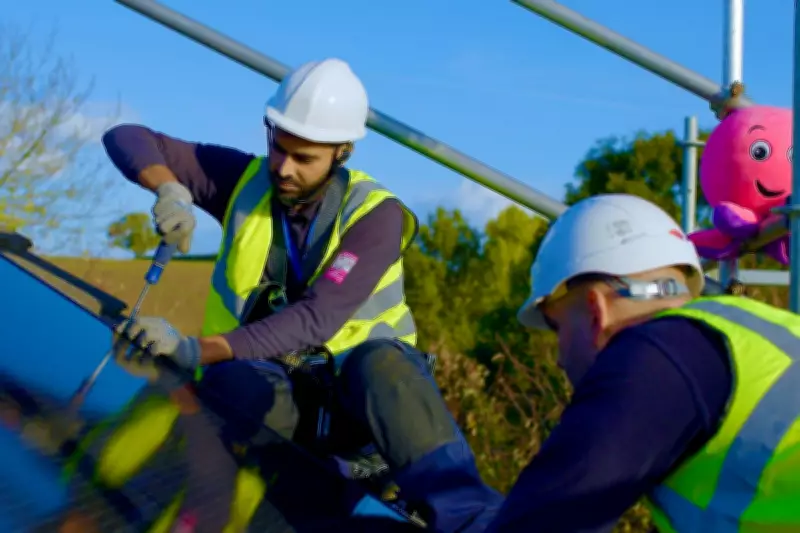
For solar panel installation, Octopus utilizes JA Solar panels priced at £177 per panel, each delivering up to 450 watts of power. The company also offers battery storage solutions from Fox ESS, Enphase, and Tesla. Octopus provided a detailed breakdown for a typical three-bedroom home installation:
- Base Cost: £1,591
- Labour Cost: £2,700
- 450 Watt JA Solar Panels (x12): £2,124
- Fox ESS H1 Series Hybrid Inverter: £588
- Fox ESS EP5 5 kWh Battery: £828
- Bird Mesh: £120
- Scaffolding: £1,000
- Total Installation Cost: £8,951
According to Octopus estimates, customers can achieve break-even point after approximately nine years, with potential savings exceeding £14,000 over a 25-year period. These projections vary significantly depending on multiple factors including panel placement, wholesale energy pricing fluctuations, and individual energy consumption patterns.

Warranty Coverage and Service Areas
The company provides a 2-year HIES-backed guarantee complemented by a 5-year Octopus workmanship warranty. The solar panels themselves include a 25-year manufacturer's warranty. Octopus currently services England and Wales exclusively, with typical installation timelines ranging from two to three months following initial inquiry.
Grant Eligibility and Funding Options
Homeowners may qualify for various grant programs when installing Octopus solar panels, though eligibility depends on specific household and property characteristics. Octopus Energy primarily directs customers toward the Energy Company Obligation (ECO) scheme in England and Wales as the principal route for subsidized solar installations. Under ECO provisions, certain eligible homes can install solar panels and sometimes heat pumps at zero cost.
Additional funding alternatives include the Home Upgrade Grant (HUG), which in some instances covers up to 100% of installation costs, alongside reduced VAT rates (0% until April 2027) on residential solar installations. Eligibility criteria typically require homes with EPC ratings of E, F, or G, private rental or social housing status, or receipt of means-tested benefits. Octopus emphasizes that not all applicants receive guaranteed installation approval, as suitability assessments and survey outcomes significantly influence final decisions.
Realistic Energy Bill Savings Projections
Octopus claims that a combined solar panel and battery system operating on their "Fixed Outgoing" tariff can reduce electricity bills for medium-usage homes by approximately 90%. According to company estimates, typical households could save between £400 and £600 annually from solar panels alone (without battery storage), depending on system size and usage patterns. When incorporating battery storage and export tariffs such as Octopus Flux, homeowners may potentially earn up to £300 yearly by exporting surplus energy.
Critical factors influencing actual savings include individual energy usage patterns, system size and battery capacity, tariff and export arrangements, geographical location, roof orientation and dimensions, and upfront costs with corresponding payback periods. Most UK systems require 8-12 years or longer to recoup initial investments despite generating ongoing savings.
Advantages and Limitations
Pros:
- Single supplier for energy, panels, and supplementary equipment
- Which? Recommended energy supplier for eight consecutive years
- Fixed price quotations with transparent costing
- Established brand recognition despite relatively recent market entry
Cons:
- More affordable installation alternatives exist in the market
- Limited solar panel selection, though many models demonstrate similar performance characteristics
Battery storage systems often represent sensible investments for families whose electricity consumption peaks during evening hours. This configuration allows solar panels to charge batteries throughout daylight hours, ensuring available power after sunset. Octopus additionally offers economical overnight tariffs that can replenish battery reserves for daytime usage, proving particularly valuable during winter months or for households with smaller solar arrays.