

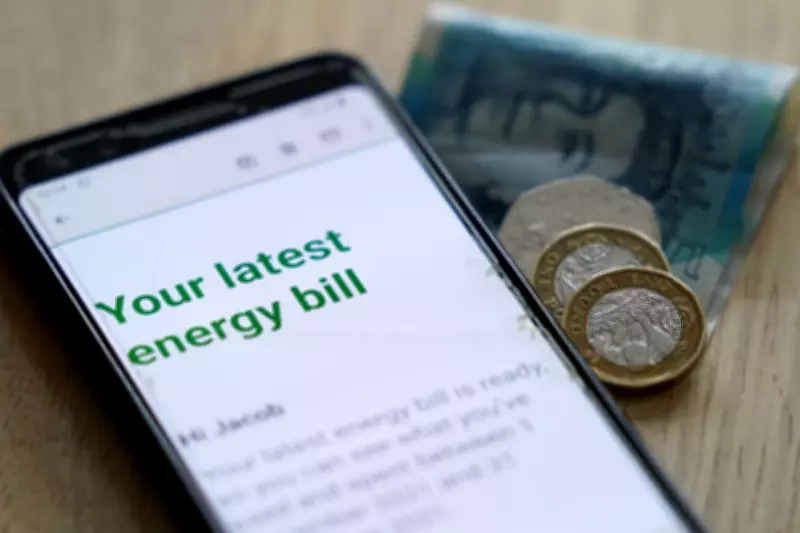
UK households are bracing for another financial blow as energy bills are set to rise by up to 13% in July, a direct consequence of Donald Trump's military actions in the Middle East. The announcement from Ofgem has compounded the strain on families already grappling with tax hikes under the Labour government and rising business costs.
Energy price cap surge
From July, the typical annual energy bill will jump by £221, taking the price cap for a dual-fuel direct debit arrangement to £1,862. Consumers are advised to fix tariffs early and use comparison websites to mitigate the impact. Switching away from variable pricing deals can also offer protection against future increases.
Petrol prices hit new highs
The average price of petrol has reached 159.43p per litre, up 26.6p since February, according to the RAC. A 55-litre tank now costs £87.69, an increase of £14.63 (20%) since the war began. While wholesale prices have recently fallen, consumer groups warn that retailers are slow to pass on savings.

Groceries and food inflation
The Food and Drink Federation warns grocery costs could rise by up to 10% in 2026, driven mainly by higher energy and fertiliser prices. The Energy and Climate Intelligence Unit notes that food prices typically fall only 1% after six months and 5% after a year, meaning shoppers face persistent inflation. Henry Dimbleby, former lead of the National Food Strategy, warns that without reducing fossil fuel reliance and diversifying supply chains, higher food prices will become a lasting feature.
Interest rates and mortgage concerns
Rising inflation could prompt the Bank of England to increase interest rates from the current 3.75% to 4% or higher. Mortgage rates have already climbed in response. Sarah Coles of AJ Bell advises homeowners with upcoming renewals to secure deals early, ideally within six months of their fixed rate ending, to avoid unexpected repayment hikes.
Trades Union Congress general secretary Paul Nowak commented: "Painful energy price rises are coming down the track – and working people are already feeling the pinch with fuel costs rising because of Trumpflation. The longer this war goes on, the greater the threat to working people."






