

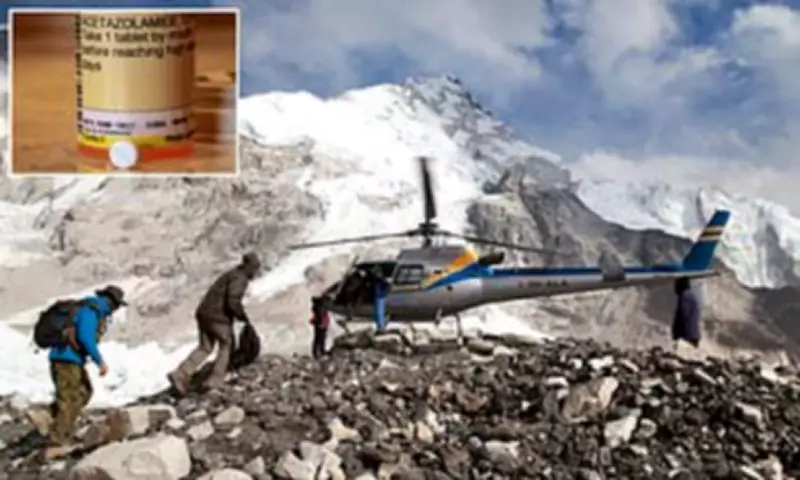
Mount Everest Guides Accused of Poisoning Climbers in Elaborate $20 Million Insurance Fraud
An explosive investigation has uncovered a sophisticated network of insurance fraud operating in the shadow of Mount Everest, where unscrupulous guides are allegedly poisoning foreign climbers to trigger costly helicopter rescues. The scheme, which has proliferated across Nepal, involves staging medical emergencies, falsifying records, and siphoning millions from insurance companies through a coordinated web of deception.
The Mechanics of the Fake Rescue Racket
According to a detailed probe by the Kathmandu Post, this fraudulent operation employs two primary tactics to ensnare unsuspecting tourists. Firstly, guides exploit the inherent dangers of high-altitude trekking by terrifying hikers into believing they face imminent mortal peril, thereby coercing them into requesting an emergency airlift. In a more sinister variation, exhausted climbers are encouraged to feign illness to avoid the arduous descent on foot, with guides actively facilitating the deception.
In some of the most alarming cases, investigators revealed that guides have resorted to lacing hikers' food with baking powder to induce sickness, deliberately creating a medical pretext for a rescue. Furthermore, climbers were reportedly given Diamox (Acetazolamide) pills—a medication intended to prevent altitude sickness—alongside excessive amounts of water. This combination is designed to deliberately trigger symptoms such as nausea and dizziness, justifying a helicopter evacuation.

The Lucrative Financial Web
Once the fake rescue is initiated, the fraud escalates rapidly. Scammers maximize profits by charging each passenger as if they had exclusive use of a helicopter, inflating a typical $4,000 flight cost to a staggering $12,000. To substantiate insurance claims, false flight and medical records are fabricated, with complicit hospitals documenting treatments for patients who never actually received care.
The financial incentives are structured to ensure all parties benefit. Hospitals implicated in the scheme pay 20 to 25 percent of the insurance payout to the referring trekking companies and a similar percentage to helicopter operators. This kickback system ensures a steady stream of fraudulent referrals. Occasionally, tourists themselves are offered a cut of the proceeds to participate in the scam, further entangling them in the illegal network.
Scale and Key Players Exposed
Between 2022 and 2025, investigators identified a shocking 4,782 foreign patients treated at hospitals linked to the fraud, with 171 cases confirmed as entirely fabricated rescues. The financial scale is monumental, with total fraudulent claims estimated at around $20 million.
- Era International Hospital allegedly profited over $15.87 million from the scheme.
- Shreedhi International Hospital reportedly garnered more than $1.22 million.
- The trekking agency Everest Experience and Assistance was connected to 71 fraudulent rescues across 601 flights, generating claims worth approximately $11.04 million.
Legal Repercussions and Ongoing Investigations
In response to these findings, Nepal Police’s Central Investigation Bureau last month charged 32 individuals with organized crime and offenses against the state. While nine suspects have been arrested, many others remain at large as authorities continue to dismantle the network. This scandal not only highlights severe ethical breaches in the adventure tourism industry but also raises urgent questions about regulatory oversight and insurance verification processes in remote regions.
The exposure of this racket serves as a stark warning to climbers and insurers alike, underscoring the vulnerabilities exploited in one of the world's most iconic and challenging landscapes.






